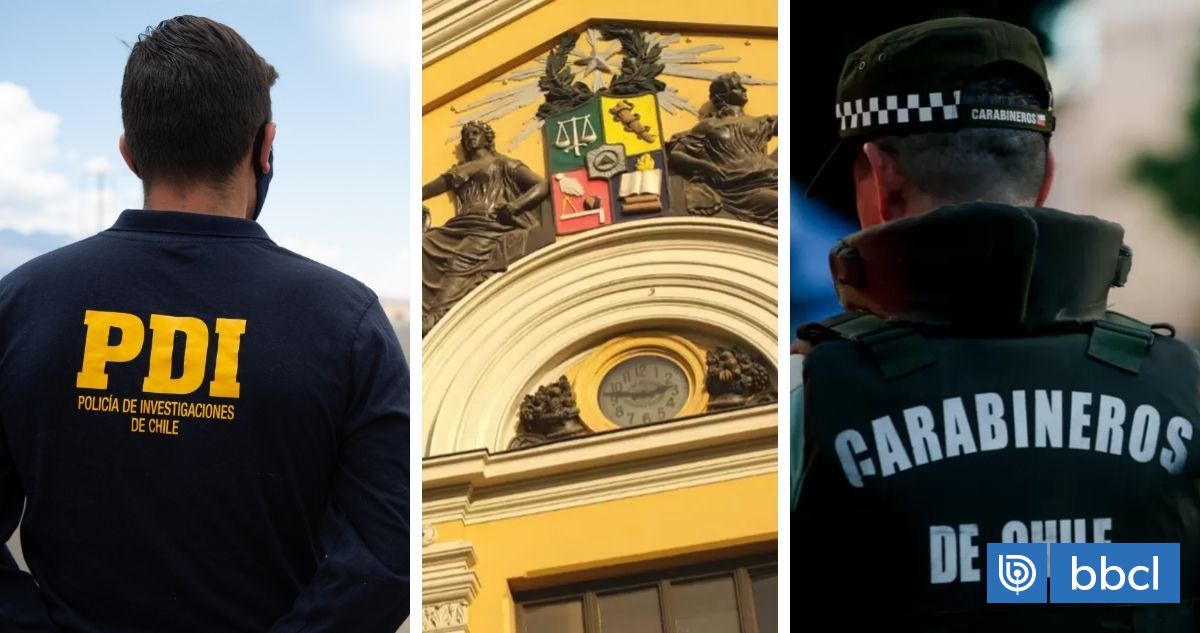
PDI, Universities, and Carabineros Lead Institutional Trust in Chile, New CEP Survey Finds
The latest survey from the Centro de Estudios Públicos (CEP) shows that the Policía de Investigaciones de Chile (PDI), universities, and the Carabineros de Chile are the institutions generating the highest levels of trust among the Chilean public. In contrast, political parties continue to hold the lowest levels of confidence in the country, according to the findings released by the Santiago-based think tank.
The results of the CEP survey, a benchmark for social and political sentiment in Chile, highlight a significant divide between the public’s perception of security and educational institutions versus its view of the nation’s political leadership. While law enforcement and academic bodies maintain a degree of social capital, the crisis of confidence in the political class remains a defining characteristic of the Chilean landscape.
Which Institutions Command the Most Confidence in Chile?
According to the CEP data, the Policía de Investigaciones de Chile (PDI) has emerged as the most trusted institution in the country. The investigative police force has maintained a leading position in public evaluations, often outperforming other state entities in recent years. The survey indicates that the PDI’s specialized role in criminal investigation contributes to its standing among citizens.
The Carabineros de Chile, the national police force, also appears among the top-rated institutions. Despite various historical challenges regarding public perception, the Carabineros continue to secure a significant level of trust compared to the broader spectrum of state institutions. This suggests that, for much of the Chilean population, institutional trust is closely tied to public safety and the maintenance of order.
Universities have also been identified as a pillar of institutional confidence. The survey places academic institutions in the upper tier of trusted entities, reflecting a perceived role in social stability and the advancement of knowledge. This high level of trust in universities stands in contrast to the volatility seen in other sectors of civil society.
Political Parties Face Continued Decline in Public Trust
The most significant finding regarding institutional erosion concerns the political sector. The CEP survey reports that political parties are currently the least trusted institutions in Chile. This lack of confidence is not a new phenomenon but appears to be a persistent trend in recent Chilean social data.
The data suggests a profound disconnect between the citizenry and the traditional political class. While specific institutions like the PDI or universities provide services or expertise that the public can clearly identify, the perceived efficacy and integrity of political parties remain under intense scrutiny. This deficit in trust often complicates the implementation of legislative reforms and the execution of large-scale social policies.
Analysts noting these trends suggest that the low confidence in political parties serves as a barrier to social cohesion. When the primary vehicles for political representation fail to garner public trust, the resulting vacuum can lead to increased social unrest or a preference for non-traditional political movements.
Religious Institutions: Catholic vs. Evangelical Trust Levels
The CEP survey also examined the shifting landscape of religious trust in Chile, specifically comparing the Catholic Church and Evangelical denominations. As the country undergoes a gradual process of secularization and religious diversification, the levels of confidence in these institutions have diverged.
The survey provides a comparative look at how Chileans view different religious authorities. While the Catholic Church has historically held a dominant position in Chilean social life, the growth of Evangelical churches has altered the religious trust dynamic. The data indicates that the level of trust in these two groups varies, reflecting broader demographic and cultural shifts within the Chilean population.
This religious shift is part of a wider trend in Latin America, where traditional religious hierarchies are being challenged by more diverse and decentralized spiritual movements. The CEP findings suggest that religious identity remains a significant factor in how institutional trust is distributed across the country.
Summary of Institutional Trust Trends in Chile
The following table summarizes the institutional landscape as identified in the latest CEP findings, contrasting the highest-rated sectors with the lowest-rated sectors.
| Trust Category | Leading Institutions | Lowest-Rated Institutions |
|---|---|---|
| Security & Law Enforcement | PDI, Carabineros de Chile | — |
| Education & Knowledge | Universities | — |
| Political Representation | — | Political Parties |
| Religious Organizations | Varies (Catholic vs. Evangelical) | — |
The results underscore a Chilean society that seeks stability through specialized professional bodies—such as investigators and academics—while remaining deeply skeptical of the political mechanisms intended to govern the nation. The high trust in the PDI and Carabineros suggests that security remains a primary concern for the public, while the low trust in political parties indicates a demand for systemic reform in the legislative and executive branches.
The next scheduled update regarding Chilean social indicators and institutional sentiment is expected in the upcoming quarterly release of social data from the Centro de Estudios Públicos. Observers will be looking for whether the trust in security forces remains stable amid ongoing debates regarding police reform and public safety legislation.
What are your thoughts on the current state of institutional trust in Chile? We invite you to share your perspective in the comments below and share this report with your network.
Worth a look