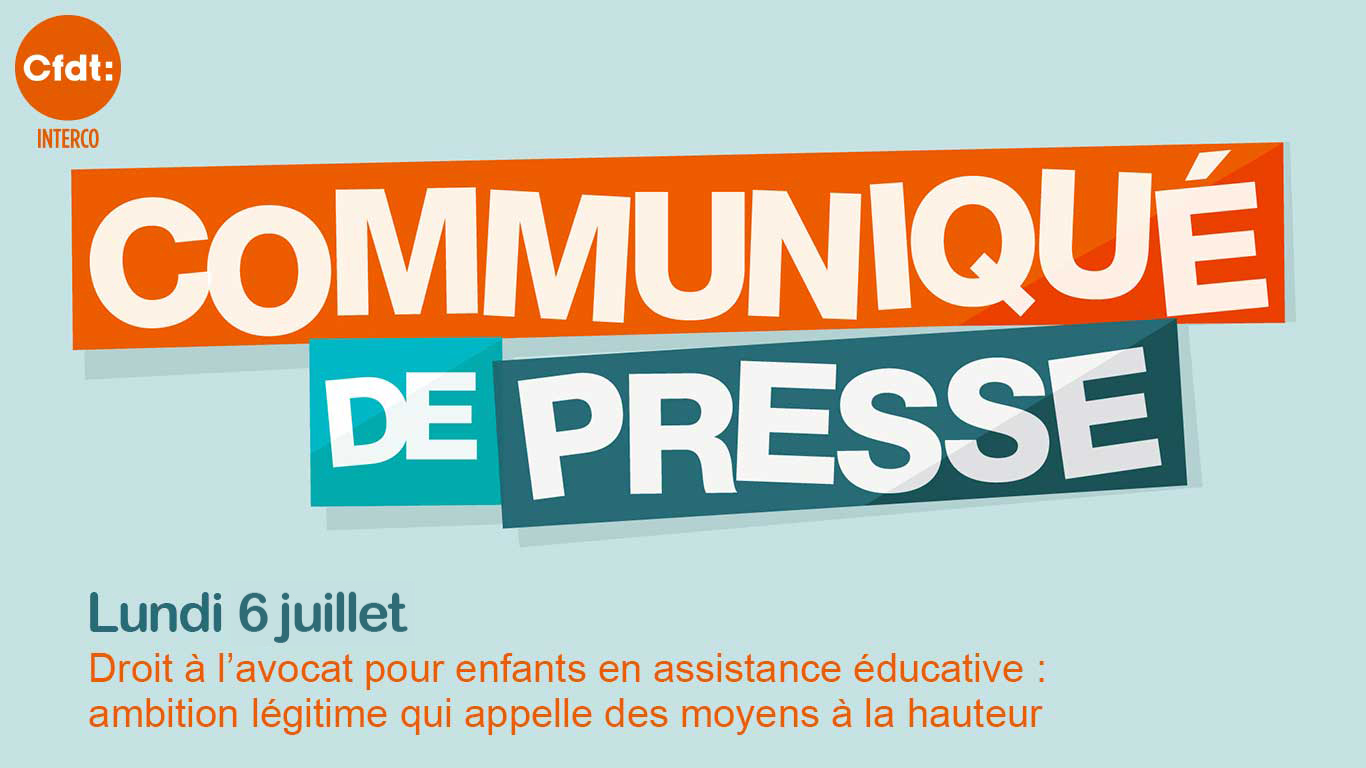
The legal representation of minors involved in educational assistance proceedings—known in France as assistance éducative—has emerged as a central point of debate regarding the rights of the child within the judicial system. While the Protection Judiciaire de la Jeunesse (PJJ) provides daily support to minors, including those who have committed offenses, advocates and labor unions argue that the current framework often lacks the robust, independent legal advocacy required to ensure these children can fully participate in decisions affecting their futures.
The core of this issue involves balancing the administrative protection of minors with their fundamental right to counsel. According to the French Ministry of Justice, the PJJ is tasked with both the educational and social reintegration of minors, yet the intersection between these educational measures and the adversarial nature of legal proceedings remains a complex area of policy. Critics, including various labor representatives, suggest that without a dedicated, systematic right to an attorney in all educational assistance matters, minors may struggle to challenge decisions that significantly alter their living situations or educational paths.
The Role of the PJJ in Minor Protection
The Protection Judiciaire de la Jeunesse (PJJ) operates under the authority of the Ministry of Justice, managing a wide range of facilities and services designed to support minors. These responsibilities include the supervision of court-ordered educational measures and the management of residential centers for youth in conflict with the law. As noted by the Vie-Publique portal, which provides official documentation on French public institutions, the PJJ serves as a key pillar in the juvenile justice system, acting as a bridge between the judiciary and the social services sector.

However, the dual mandate of the PJJ—providing care while simultaneously acting as an arm of the state in judicial proceedings—creates a tension that many legal scholars argue necessitates independent counsel. When a judge for children (juge des enfants) orders an educational assistance measure, the minor is directly impacted. Currently, the legal framework provides for the appointment of a lawyer in specific contexts, but advocates are calling for a more universal application of this right during the initial phases of educational assistance, where the child’s voice is often mediated solely by social workers or state officials.
Legal Ambitions and the Right to Counsel
The movement for more comprehensive legal representation for children in educational assistance cases is rooted in the principle of the “best interests of the child,” as codified in international treaties such as the UN Convention on the Rights of the Child. In France, the Civil Code provides that a minor capable of discernment must be heard by the judge in all proceedings that concern them. Yet, being heard is distinct from having independent legal representation.

The debate has intensified as stakeholders point out that educational assistance proceedings can result in the separation of a child from their family or placement in a restrictive environment. Without a lawyer, the minor may not have the technical means to contest reports submitted by the PJJ or other social services. Legal professionals argue that a lawyer’s presence ensures that the minor’s perspective is not only heard but is effectively articulated within the legal arguments presented to the court.
Challenges to Systematic Representation
Implementing a universal right to an attorney for minors in these proceedings presents significant logistical and financial hurdles. The French legal aid system, or aide juridictionnelle, is already under considerable strain. According to the Conseil National des Barreaux, the national body representing French lawyers, funding remains a critical factor in expanding access to justice for vulnerable populations. Forcing a system-wide requirement for lawyers in every educational assistance file would require a substantial increase in state-funded legal support, a move that currently lacks a clear legislative roadmap.
Furthermore, there is a debate among social workers regarding the “adversarial” impact of lawyers in a setting intended to be protective and educational. Some practitioners within the child protection sector express concern that introducing a lawyer into every case could shift the focus away from the child’s developmental needs and toward a formal legal contest, potentially complicating the relationship between the child, their family, and the social services responsible for their care.
Looking Ahead: The Judicial Horizon
The question of whether to mandate legal counsel for all minors in educational assistance proceedings remains an active topic within the Ministry of Justice’s ongoing discussions regarding juvenile reform. While no formal legislative change has been enacted to make this mandatory in every instance, the pressure from legal and social advocacy groups continues to influence judicial practices at the local level. Judges for children, who retain significant discretion, are increasingly facilitating the appointment of lawyers when they determine that the complexity or sensitivity of a case warrants independent representation.

The next major checkpoint for this issue will likely occur during the upcoming sessions of the French National Assembly, where lawmakers continue to evaluate the effectiveness of the current child protection system. As the debate evolves, the primary focus remains on how to bridge the gap between educational support and the procedural rights of the child. Readers interested in following updates on this legislation or current judicial guidelines are encouraged to monitor official announcements from the Ministry of Justice and the decisions of the Superior Council of the Magistracy.
How do you perceive the balance between social protection and legal rights for minors in the current system? Please share your thoughts and contribute to the ongoing discussion below.