
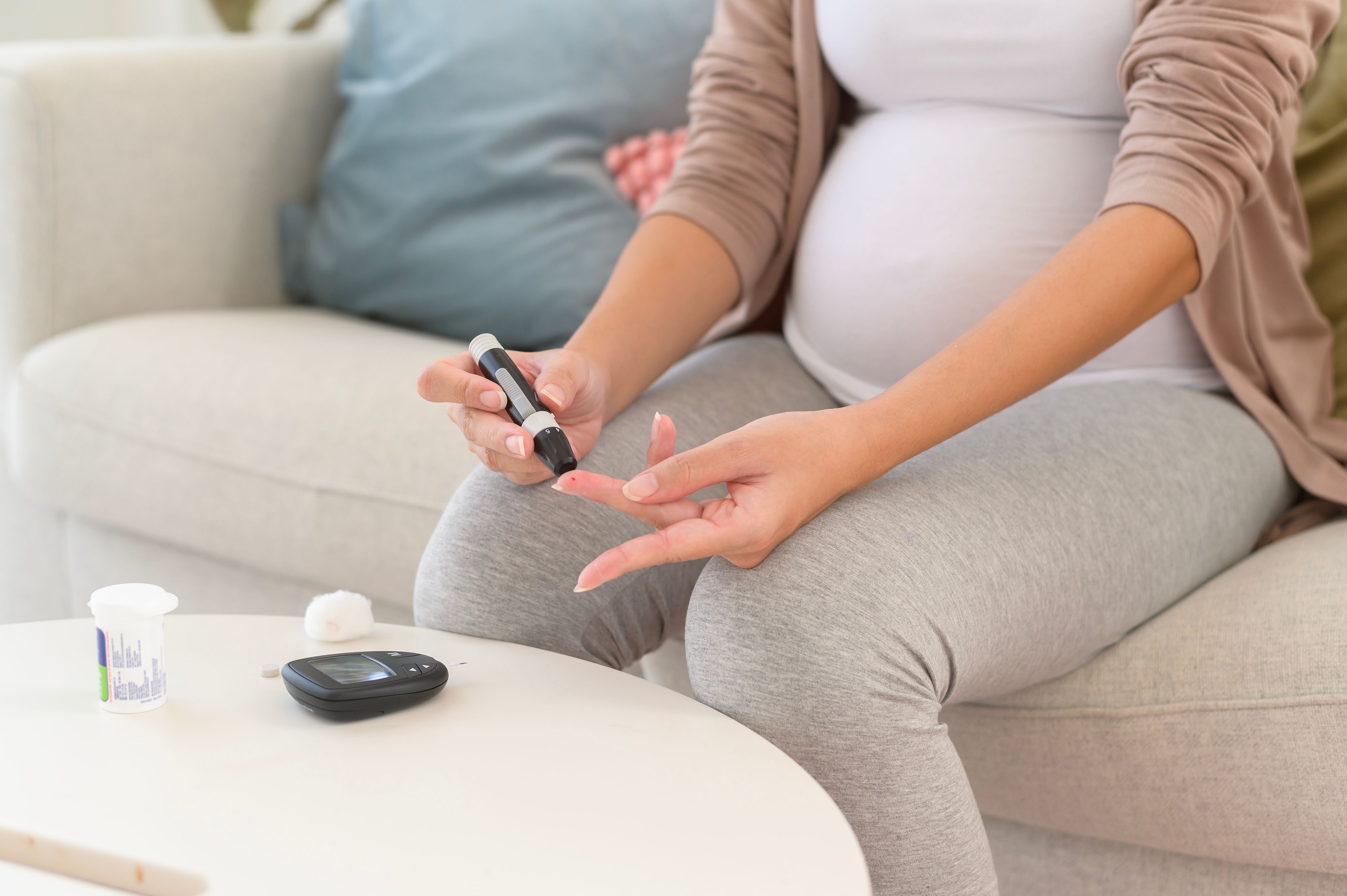
Gestational diabetes impacts a growing number of pregnancies, and understanding it is crucial for both your health and your baby’s. It’s a condition where your body doesn’t fully process sugar during pregnancy, leading to elevated blood glucose levels. Fortunately, wiht proactive management, you can substantially reduce risks and ensure a healthy outcome.
what causes Gestational Diabetes?
During pregnancy, your body produces hormones that can block insulin from working properly. Insulin is the key that allows glucose to enter your cells for energy. When insulin can’t function effectively,sugar builds up in your bloodstream. While the exact reasons why some women develop gestational diabetes aren’t fully understood, factors like family history, obesity, and previous pregnancies can increase your risk.
How is Gestational Diabetes Diagnosed?
Typically, screening for gestational diabetes occurs between 24 and 28 weeks of pregnancy. You’ll likely undergo a glucose challenge test, where you drink a sugary liquid and your blood sugar is measured an hour later. If your levels are elevated, a more extensive glucose tolerance test will be scheduled. This involves fasting overnight, then drinking a larger dose of glucose and having your blood sugar checked multiple times over a few hours.
Managing gestational Diabetes: What You Can Do
Receiving a diagnosis of gestational diabetes can feel overwhelming, but remember, it’s manageable. Here’s what often works best:
* Dietary Adjustments: Focus on a balanced diet rich in fruits, vegetables, and whole grains. Limit sugary drinks, processed foods, and refined carbohydrates.
* Regular Exercise: Incorporate moderate physical activity into your routine, such as walking, swimming, or prenatal yoga.
* Blood Glucose Monitoring: Regularly checking your blood sugar levels helps you understand how your body responds to food and exercise.
* Medication (If Needed): In certain specific cases, diet and exercise alone aren’t enough, and medication like insulin or metformin might potentially be prescribed.
The Benefits of Continuous Glucose Monitoring
I’ve found that continuous glucose monitoring (CGM) is a game-changer for many women with gestational diabetes. Traditional methods involve finger pricks several times a day, providing only snapshots of your blood sugar.CGM devices, however, track your glucose levels continuously throughout the day and night.
This real-time data allows you and your healthcare team to make more informed decisions about your diet,exercise,and medication. Studies have shown that CGM can reduce adverse complications and events associated with gestational diabetes.
Potential Risks if Left Unmanaged
Uncontrolled gestational diabetes can pose risks for both you and your baby. For you, it can increase the risk of preeclampsia, a dangerous pregnancy complication characterized by high blood pressure.It also raises your chances of needing a Cesarean delivery.
For your baby, potential risks include excessive birth weight, premature birth, and a higher likelihood of developing type 2 diabetes later in life. However, with diligent management, these risks can be significantly minimized.
long-Term Outlook
having gestational diabetes doesn’t necessarily mean you’ll develop type 2 diabetes after pregnancy. However, it does increase your risk. It’s meaningful to continue monitoring your blood sugar levels postpartum and adopt a healthy lifestyle to reduce your chances of developing the condition. Regular check-ups with your doctor are also essential.



![Prostate Cancer Recovery: A Doctor’s Story [Podcast]](https://i0.wp.com/kevinmd.com/wp-content/uploads/The-Podcast-by-KevinMD-WideScreen-3000-px-4-scaled.jpg?resize=330%2C220&ssl=1 "Prostate Cancer Recovery: A Doctor’s Story [Podcast]")


