The Hidden Legacy of Emulsifiers: How Food Additives May Impact Your ChildrenS Health – Across Generations
For decades, we’ve focused on the immediate effects of diet. But emerging research reveals a far more complex picture: what a mother eats, even before conception adn during breastfeeding, can profoundly shape the long-term health of her children – and even grandchildren. A groundbreaking study from the Institut Pasteur and Inserm sheds light on this intergenerational impact, specifically linking dietary emulsifiers to altered gut microbiota in offspring, increasing their risk of chronic inflammatory bowel diseases and obesity.This isn’t simply about what we eat; it’s about the legacy we leave through our microbiome.
What are Emulsifiers and Why are They Everywhere?
Emulsifiers are additives intentionally incorporated into processed foods to create stable mixtures of oil and water.They improve texture, prevent separation, and significantly extend shelf life – crucial for the modern food industry. You’ll find them in a vast array of products, from dairy and baked goods to ice cream and, critically, some powdered infant formulas. Common examples include carboxymethyl cellulose (E466) and polysorbate 80 (E433).
While these additives have been deemed safe by regulatory bodies, a critical gap remains in our understanding of their subtle, long-term effects, especially on the delicate ecosystem within our gut – the gut microbiota. This microbial community, comprised of trillions of bacteria, fungi, viruses, and other microorganisms, plays a pivotal role in digestion, immunity, and even mental health. Disrupting this balance, even in early life, can have cascading consequences.
The Mouse Study: A Window into Intergenerational Health
The recent research, led by Inserm Research Director Benoit Chassaing, provides compelling evidence of this disruption. Researchers meticulously designed a study using female mice. These mice were exposed to two common emulsifiers – carboxymethyl cellulose (E466) and polysorbate 80 (E433) - for ten weeks prior to pregnancy, continuing throughout gestation and lactation. Crucially, the offspring never directly consumed the emulsifiers themselves.
The results were striking. Within the first few weeks of life, the pups exhibited significant alterations in their gut microbiota composition. this early period is a critical window for microbiome progress, as mothers naturally transfer a foundational set of microbes to their offspring through close contact. The emulsifier exposure in the mothers fundamentally altered this initial seeding.
Disrupted Gut-Immune Dialog: The Root of the Problem
The altered gut microbiota in the offspring wasn’t simply a matter of different bacterial species. The researchers observed a concerning shift towards higher levels of flagellated bacteria – microbes equipped with whip-like appendages.These flagella are potent activators of the immune system, potentially triggering chronic inflammation.
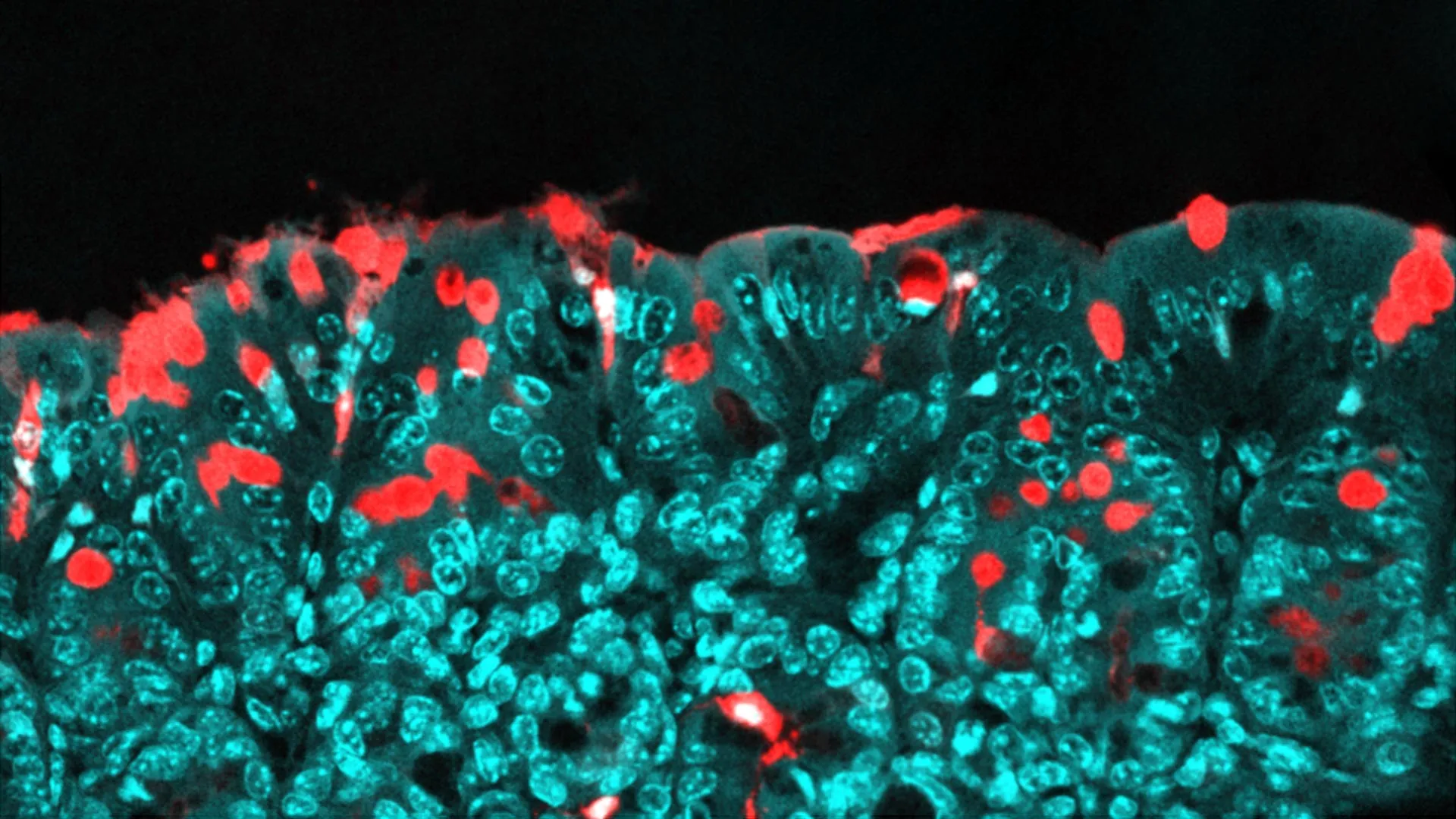
Moreover, the study revealed increased bacterial “encroachment” – a process where bacteria come into closer proximity with the gut lining. This proximity prematurely closed crucial pathways responsible for immune system education. Normally, these pathways allow small bacterial fragments to cross the gut barrier, enabling the immune system to learn to distinguish between beneficial microbes and potential threats, fostering tolerance.
By closing these pathways too early, the emulsifier-exposed mothers effectively disrupted the vital interaction between the gut microbiota and the developing immune system of their offspring. This disruption manifested as an overactive immune response and chronic inflammation in adulthood, significantly increasing the risk of inflammatory bowel diseases and obesity.
Why This Matters for Human Health: Beyond the Lab
The implications of this research extend far beyond the laboratory. While mouse studies don’t directly translate to humans,they provide a crucial warning signal. The human gut microbiome is remarkably similar to that of mice, and the fundamental principles of immune development are conserved across species.
“it is crucial for us to develop a better understanding of how what we eat can influence future generations’ health,” emphasizes Benoit Chassaing. “These findings highlight how significant it is to regulate the use of food additives,especially in powdered baby formulas,which often contain such additives and are consumed at a critical moment for microbiota establishment.”
this research underscores the urgent need for further investigation, particularly focusing on:
* Mother-to-infant microbiota transmission: Understanding how maternal diet, with and without emulsifiers, impacts the initial microbial colonization of infants.
* Direct infant exposure: Assessing the effects of emulsifiers directly consumed by infants through formula.
* Long-term health outcomes: Tracking the health trajectories of children exposed to emulsifiers in early life.
the Takeaway: A Call for Proactive Health
This study isn’t about eliminating all processed foods. It’s about awareness and informed choices. It’s a call to prioritize whole, unprocessed foods whenever possible, especially during pregnancy and breastfeeding. It’s a reminder that our dietary choices have ripple effects, extending beyond our own health and impacting the well-being of future generations.
Related reading