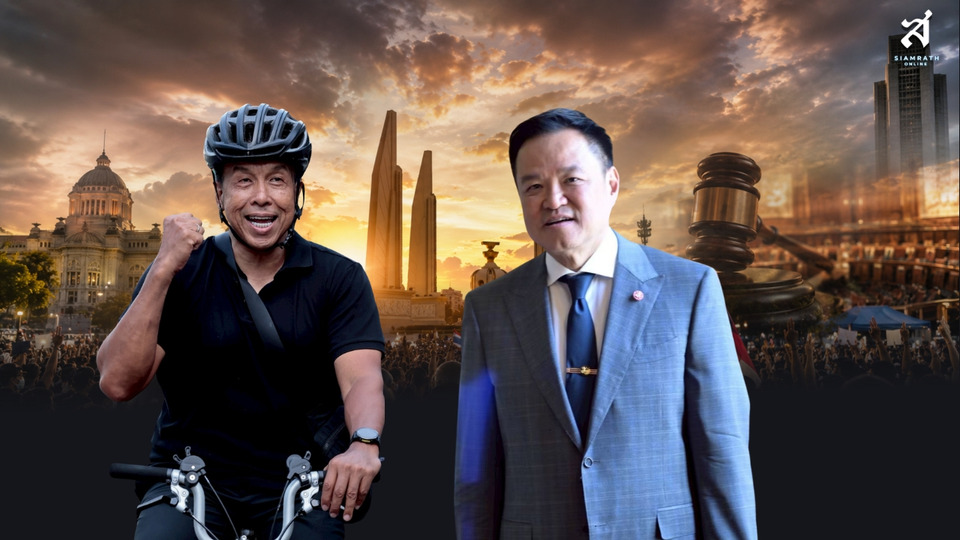
The Election Commission of Thailand (ECT) has officially certified the results of the Bangkok gubernatorial election, confirming Chadchart Sittipunt as the Governor of Bangkok for a second term. The certification process, which also includes 51 members of the Bangkok Metropolitan Council (BMC), marks the formal commencement of the new administration’s term as the city prepares for an immediate transition and the rollout of urgent policy initiatives.
Formal Certification and the Transition to a Second Term
Following the conclusion of the electoral process, the Election Commission of Thailand finalized its decision to certify the results, clearing the path for Chadchart Sittipunt to assume his duties at the Bangkok Metropolitan Administration (BMA) City Hall. According to official notices from the commission, the Governor-elect and the 51 council members were scheduled to receive their official certificates of election, a procedural requirement that precedes the formal assumption of office.
This transition follows a period of administrative evaluation where the Governor-elect’s team finalized its organizational structure. Reports indicate that the incoming administration has focused on continuity, with several key figures from the previous term expected to maintain their roles within the executive team to ensure the seamless implementation of ongoing urban projects. The formal announcement regarding the full executive cabinet and the specific administrative appointments was slated for July 9.
Urgent Policy Priorities for the BMA
Upon taking office, the administration is expected to shift focus toward a series of urgent policy mandates designed to address long-standing urban challenges in Bangkok. These initiatives, often referred to by the administration as “quick-win” policies, prioritize improvements in public infrastructure, traffic management, and flood mitigation systems. The Governor-elect has signaled that the first days of the second term will be dedicated to a comprehensive policy briefing aimed at aligning city departments with these strategic goals.

The collaboration between the Governor and the 51 members of the Bangkok Metropolitan Council is viewed as essential for the legislative approval of these urgent measures. The council members, who represent various districts across the capital, hold the mandate to review and approve the budget allocations required to sustain these projects throughout the upcoming fiscal cycles.
The Political Context of the Bangkok Administration
The return of Chadchart Sittipunt to the governor’s office comes at a time of heightened scrutiny regarding the relationship between the Bangkok Metropolitan Administration and the central government. While the BMA operates under a degree of autonomy, its ability to execute large-scale infrastructure projects is often contingent on coordination with national ministries and the central cabinet, currently led by Prime Minister Anutin Charnvirakul. Political analysts are closely observing how the BMA’s policy agenda—which often emphasizes decentralized urban management—will navigate the priorities of the national administration.
The dynamics between the city government and the central government remain a critical factor for residents, as shared jurisdictions in areas such as public transport and environmental regulation often require high-level cooperation. The upcoming policy statement from the governor’s office is anticipated to provide clarity on how the BMA intends to coordinate these inter-governmental tasks while maintaining the momentum of its local election platform.
Next Steps for the BMA Administration
The immediate next step for the Bangkok Metropolitan Administration is the formal inauguration at City Hall, where the Governor will present his team to the public and outline the initial 100-day roadmap. This event, scheduled for July 9, will serve as the official launch of the second term and will provide the first opportunity for the administration to address the media regarding its legislative priorities for the next four years.

For residents and stakeholders monitoring the progress of city projects, the BMA provides regular updates through its official channels and public hearings held at district offices. We invite our readers to share their thoughts on the upcoming term and the priorities they believe the new administration should address first in the comments section below.