Breaking Barriers: How Actors with visible Differences are Redefining Representation in Film and Television
For too long,the stories we see on screen have lacked true diversity – not just in ethnicity and gender,but in the physical appearances of the actors telling those stories. This is now changing, as a growing movement champions the inclusion of performers with visible differences, challenging outdated stereotypes and opening doors to authentic representation.
The Weight of Limited Roles
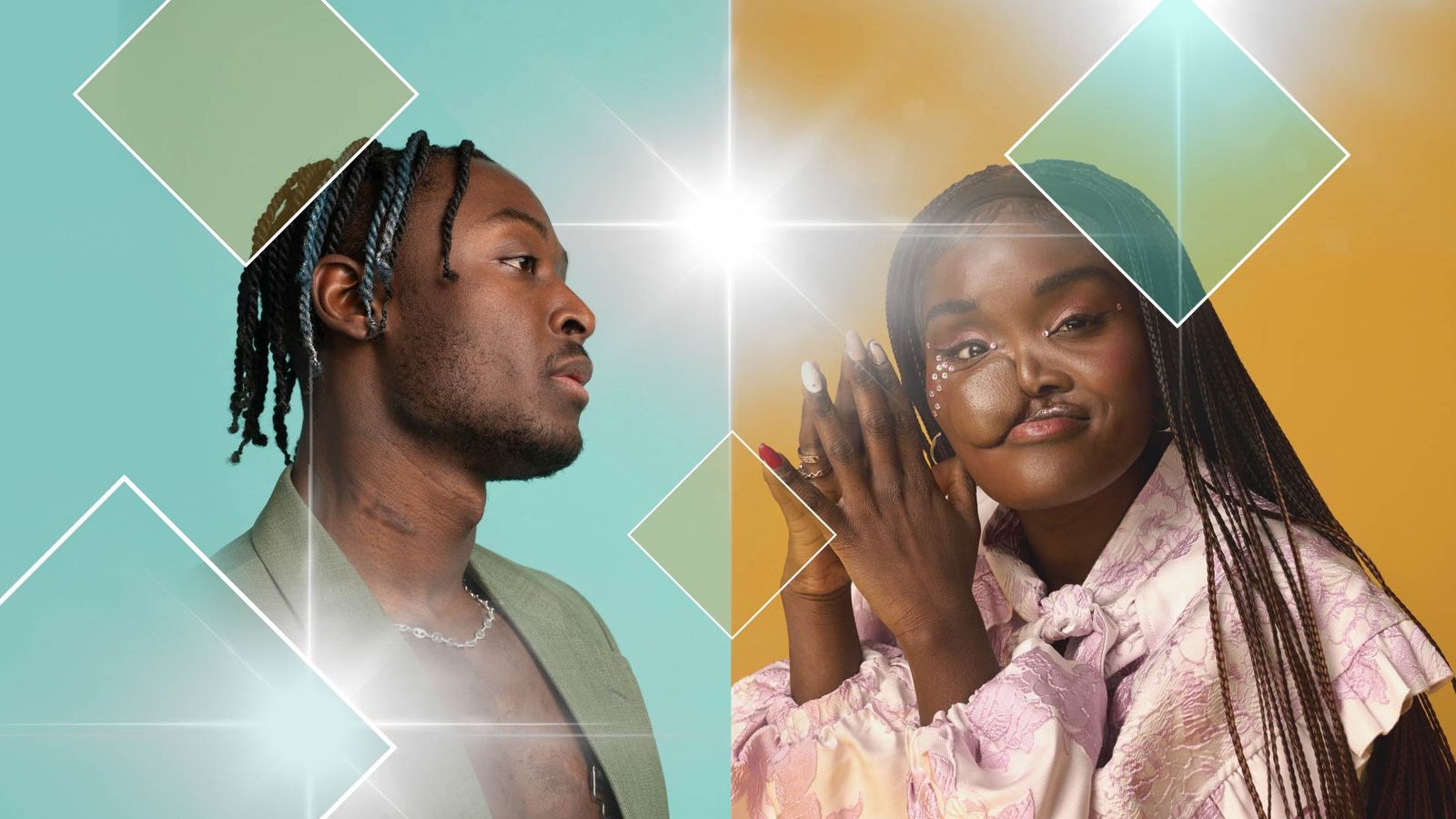
Romeo Olukotun, a talented actor, knows this struggle firsthand. he shared how his prominent neck scar often led to typecasting. He was frequently asked to portray characters defined by their physicality – thugs or villains – rather than being seen for the breadth of his acting ability.
This experience isn’t unique. many actors with visible differences face the frustrating reality of being limited to roles that reinforce negative perceptions. It’s a damaging cycle that perpetuates harmful stereotypes and denies these artists the opportunity to showcase their full range.
A Mission for Change
Olukotun is now dedicated to shifting this narrative. He envisions a future where actors with visible differences can embody any role, from romantic leads to heroes, without being automatically relegated to “sinister” or “evil” characters. He wants to demonstrate to others with visible differences that their possibilities are limitless.
This ambition is gaining momentum. The industry is slowly recognizing the power of authentic representation and the richness it brings to storytelling.
Cultivating Inclusion: The Role of Training
While systemic change takes time, institutions like the London Academy of Music and Dramatic Art (LAMDA) are actively working to prepare the next generation of actors.Dr. Philippa Strandberg-Long, LAMDA’s vice principal, emphasizes the importance of equipping students with a realistic understanding of the industry.
She explains that while it’s crucial to acknowledge the challenges that exist, the focus is on empowering students to change the industry from within.This involves fostering a more inclusive mindset and challenging ingrained biases.Here’s how this shift is happening:
Awareness: Students are educated about the historical lack of representation and the impact of stereotypes.
Empathy: Training encourages actors to approach roles with sensitivity and understanding.
Versatility: Emphasis is placed on developing a wide range of skills, allowing actors to confidently tackle diverse characters.
Advocacy: Students are empowered to advocate for themselves and for greater inclusivity within the industry.
Why Representation Matters
Seeing yourself reflected on screen is profoundly impactful. For individuals with visible differences, it can be validating, empowering, and a powerful antidote to feelings of isolation.
Beyond personal impact, diverse representation enriches storytelling for everyone. It broadens our perspectives, challenges our assumptions, and creates a more nuanced and authentic portrayal of the human experience.
Resources and Support
If you or someone you know is navigating the challenges of living with a visible difference, remember you’re not alone.
Changing Faces is a UK-based charity offering vital support and facts. You can reach them at http://changingfaces.org.uk. They provide a confidential support and information line for anyone dealing with the impact of visible difference.
The journey toward true inclusivity in film and television is ongoing.but with dedicated actors, forward-thinking institutions, and a growing awareness of the importance of representation, the future looks brighter than ever. It’s a future where every story can be told, and every actor has the opportunity to shine.
Worth a look