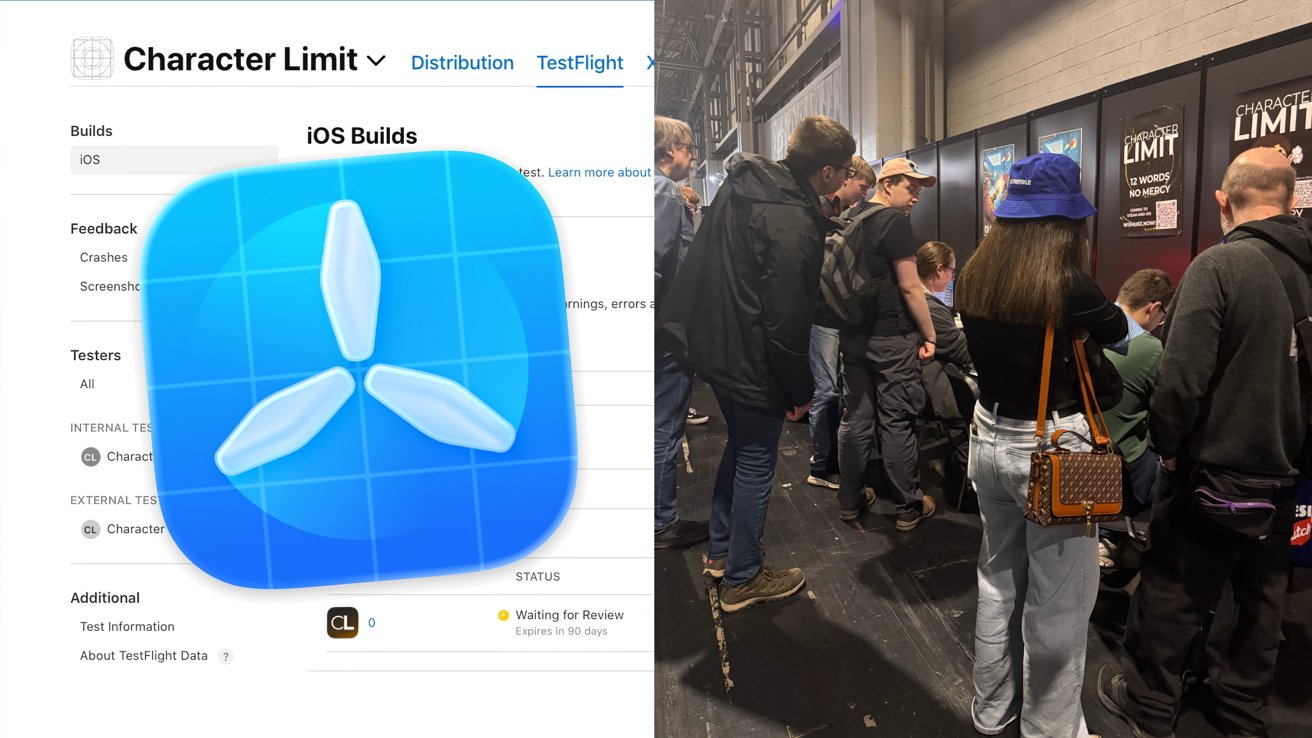
The journey from a conceptual sketch to a polished digital product is rarely a straight line, especially for independent creators. For the developer behind the Character Limit word game development project, the last two months have served as a rigorous “trial by fire,” blending the sterile, data-driven environment of beta testing with the chaotic energy of a live gaming convention.
Navigating the transition from private development to public scrutiny is a pivotal moment for any indie title. In the case of “Character Limit,” this process involved a dual-track approach: utilizing Apple’s TestFlight platform for technical stability and showcasing the game at a major industry event to gauge player engagement. This combination of digital and physical testing provided the developer with a comprehensive feedback loop that culminated in an unexpected industry accolade on April 10, 2026.
For those of us in software engineering, we know that “finished” is a relative term. The gap between a game that works on the developer’s machine and one that works for thousands of diverse users is where most indie projects fail. By embracing both the clinical feedback of a closed beta and the visceral reactions of a convention crowd, the creator of “Character Limit” has managed to turn potential pitfalls into a roadmap for success.
The Digital Gauntlet: Navigating Apple TestFlight
Before any app can hit the public App Store, it must survive the gauntlet of beta testing. The developer of “Character Limit” began this phase by preparing the game for submission via App Store Connect, a process that required extensive bug fixing and ensuring the code was properly compiled for Apple’s ecosystem.

The rollout was strategically tiered to manage risk. Testing began with a tight internal group before expanding to a minor external cohort of 20 testers. This staged approach is a standard industry best practice, allowing developers to catch “showstopper” bugs before they reach a wider audience.
However, even with a controlled group, unexpected issues emerged. During the TestFlight phase, testers discovered a critical crash that occurred specifically when changing the UI language. This type of edge-case bug—often missed during solo development—highlights why external testing is non-negotiable. For an indie developer, discovering such a flaw in a beta environment is a victory. discovering it after a global launch can be catastrophic.
From Beta Builds to the Big Stage: DreamHack Birmingham
While the digital tests provided the technical data, the developer sought a more organic form of validation. This led to a surprise opportunity to showcase “Character Limit” at the DreamHack Birmingham gaming event. Moving from a controlled beta of 20 people to a high-traffic convention booth is a significant leap in pressure.
The results at DreamHack were more than just constructive; they were celebratory. The game’s reception among the attendees led to “Character Limit” receiving a People’s Choice award. This win is particularly significant for an unreleased title, as it proves the game’s core mechanics resonate with a general audience, providing a level of psychological validation that technical bug reports cannot offer.
The Evolution of Feedback: Beyond the “Kind Audience”
The path to the People’s Choice award began much earlier. In early February, the game had reached a milestone where it was stable enough for real-player interaction. Initially, the developer sought feedback through brief sessions with other game developers in Cardiff.
While these peer reviews are valuable for high-level design, they often suffer from a “kindness bias.” Fellow developers tend to provide constructive, supportive feedback, but they may not play the game with the unpredictability or frustration of a first-time consumer. The shift from the supportive circles of Cardiff to the rigorous environment of TestFlight and the unfiltered reactions at DreamHack Birmingham allowed the developer to see the game through the eyes of the actual end-user.
Why This Matters for Indie Development
The trajectory of “Character Limit” serves as a case study in modern indie game development. The “trial by fire” approach demonstrates three critical pillars of software success:
- Technical Validation: Using platforms like TestFlight to identify stability issues, such as the UI language crash, before a wide release.
- Market Validation: Using events like DreamHack to confirm that the “fun factor” translates to a broad demographic.
- Iterative Polishing: The willingness to move from internal groups to small external groups, and finally to public showcases, to refine the user experience.
This grassroots support and word-of-mouth momentum can be a powerful equalizer, allowing a small indie title to stand out even when competing against high-profile productions with significantly larger budgets.
What Happens Next?
With the validation of a People’s Choice award and the technical insights gained from its 20-person beta, the developer of “Character Limit” is now better positioned to finalize the title for a full release. The immediate focus will likely remain on resolving the remaining bugs identified during the TestFlight rollout and polishing the UI to ensure a seamless experience across different languages.
As the game moves closer to its official launch, the developer’s ability to adapt based on this diverse set of feedback will be the deciding factor in its long-term success on the App Store.
Do you think indie developers should rely more on public conventions or closed beta testing to refine their games? Share your thoughts in the comments below.