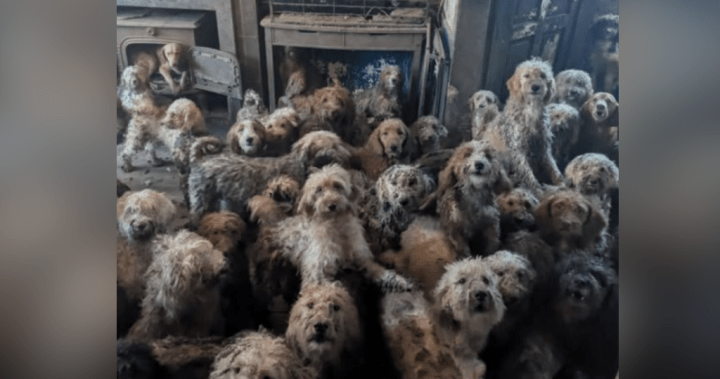
In an era where the line between reality and synthetic media is increasingly blurred, a United Kingdom animal charity has found itself in the unusual position of having to prove that a scene of animal suffering was genuine. The organization was recently forced to clarify that a viral image depicting 250 abandoned dogs was not the product of artificial intelligence.
The controversy began after the charity shared a poignant image on Instagram, showing a large number of dogs huddled together inside a decrepit-looking building. Although the post was intended to highlight the scale of the rescue operation, the stark nature of the visuals led some viewers to question the authenticity of the photograph, suggesting it had been AI-generated to elicit emotional responses or donations.
Responding to the skepticism, the charity confirmed the reality of the situation, stating that they had found 250 dogs in total. The clarification underscores a growing trend of “AI skepticism,” where authentic documentation of humanitarian or animal welfare crises is scrutinized by a public increasingly wary of deepfakes and manipulated media.
The Challenge of Authenticity in Digital Advocacy
The incident highlights a complex challenge for non-profit organizations relying on social media for advocacy. As generative AI becomes more sophisticated, images of extreme distress—which often characterize rescue operations—can sometimes mirror the hyper-realistic yet slightly distorted aesthetic of AI-generated art. This has created a environment where charities must not only rescue animals but also provide evidence that their documentation is truthful.

For this U.K. Animal charity, the need for an AI image clarification emerged as a direct result of the visual evidence they provided. The image of the dogs in the dilapidated structure was intended to convey the urgency and the poor conditions the animals were facing, yet it inadvertently triggered doubts about the image’s origin.
Key Takeaways
- Scale of Rescue: The charity reported finding a total of 250 dogs.
- Platform of Conflict: The controversy centered on an image shared via Instagram.
- Nature of Accusation: Viewers questioned if the image of dogs in a decrepit building was AI-generated.
- Outcome: The charity issued a clarification confirming the image was real.
As digital literacy evolves, the burden of proof for charitable organizations is shifting. The requirement to verify the authenticity of rescue photos suggests that future campaigns may need to include more metadata or “behind-the-scenes” verification to maintain public trust.
At this time, no further official updates or scheduled statements from the charity have been announced. We will continue to monitor the situation for any further developments regarding the welfare of the 250 dogs.
Do you believe charities should provide more verification for their images in the age of AI? Share your thoughts in the comments below.
Worth a look