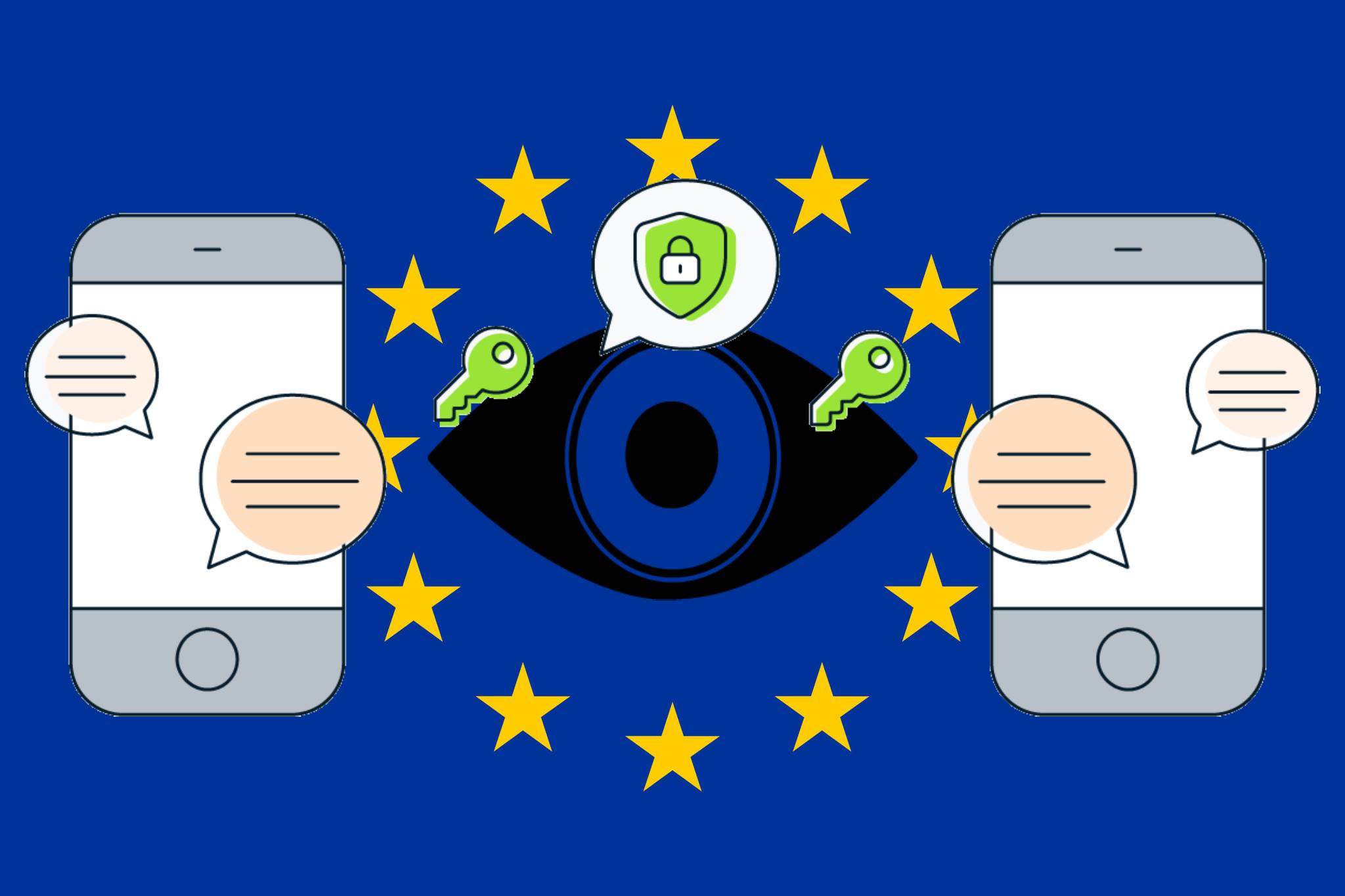
The European Parliament has moved to revive discussions regarding the regulation of online communications, specifically targeting the detection of child sexual abuse material (CSAM) through the scanning of private digital messages. This legislative effort, often referred to by critics and privacy advocates as “Chat Control,” seeks to mandate that service providers implement technologies capable of identifying illegal content within encrypted platforms like Gmail, iCloud, Messenger, and WhatsApp. According to the European Commission, the proposed regulation aims to modernize the legal framework for preventing the distribution of CSAM, though it has faced significant opposition from digital rights organizations concerned about the impact on end-to-end encryption and user privacy.
The debate centers on the tension between public safety initiatives and the preservation of encrypted communication. While proponents argue that automated scanning is a necessary tool for law enforcement to combat the spread of illicit images and videos, privacy experts warn that creating a “backdoor” for scanning—even for specific illegal content—fundamentally weakens the security of all users. The European Data Protection Board (EDPB) has previously expressed concerns that broad scanning mandates could lead to indiscriminate surveillance, potentially violating the fundamental rights protected under the Charter of Fundamental Rights of the European Union.
The Legislative Path of Proposed Scanning Mandates
The legislative process for the proposed regulation, formally known as the proposal for a Regulation laying down rules to prevent and combat child sexual abuse, has been marked by years of deliberation. Initially introduced by the European Commission in May 2022, the bill has undergone multiple revisions as it moves through the European Parliament and the Council of the European Union. According to official documents from the European Parliament, the proposal seeks to empower national authorities to issue detection orders to communication service providers, compelling them to scan for known CSAM and, in some interpretations, “grooming” behavior using artificial intelligence.

The controversy intensified as various member states within the Council expressed differing views on the scope of these powers. While some countries have advocated for a robust mandate to ensure platforms take proactive steps, others, such as Germany and Austria, have historically raised constitutional concerns regarding the proportionality of such surveillance. The European Parliament’s Civil Liberties, Justice and Home Affairs (LIBE) committee has been instrumental in reviewing the text, with members frequently clashing over whether client-side scanning—where messages are analyzed on the user’s device before encryption—is a viable or safe technical solution.
Technical and Privacy Implications for Global Platforms
For technology companies, the implications of these regulations are significant. Platforms such as Meta’s Messenger, Apple’s iMessage, and Google’s Gmail rely on end-to-end encryption to ensure that only the sender and recipient can read the contents of a message. If the European Union mandates that these companies implement scanning technologies, it would require a fundamental architectural shift. According to technical analysis from organizations like the Electronic Frontier Foundation (EFF), implementing client-side scanning effectively breaks the integrity of end-to-end encryption, creating a vulnerability that could be exploited by malicious actors or repurposed by governments for broader surveillance.
The industry response has been cautious. Major tech firms have noted that while they remain committed to the safety of minors and the removal of illegal content, they face a complex legal landscape where complying with EU mandates might conflict with privacy standards in other jurisdictions. As reported by the European Union Agency for Cybersecurity (ENISA), the technical implementation of such measures must account for the high risk of “false positives,” where legitimate content is misidentified as illegal, leading to the potential wrongful reporting of innocent users to law enforcement agencies.
Stakeholder Perspectives and the Path Forward
The divide between child protection advocates and digital privacy activists remains stark. Organizations such as the European Digital Rights (EDRi) network argue that the proposed measures represent a “mass surveillance” architecture that is incompatible with democratic values. Conversely, various law enforcement agencies and advocacy groups for victims of child abuse suggest that the digital space has become a primary venue for criminal activity, necessitating new tools for investigation that match the scale of the threat. The European Court of Justice (ECJ) has consistently ruled, in cases such as La Quadrature du Net, that general and indiscriminate retention or access to electronic communications data is generally prohibited, setting a high legal bar for any new surveillance legislation.

As the regulation continues to move through the EU’s institutional machinery, the next major checkpoint involves reconciling the divergent positions held by the European Parliament and the Council of the European Union. These “trilogue” negotiations are where the final language of the regulation will be hammered out. Observers are closely watching for any amendments that might limit the scope of scanning or provide stronger judicial oversight for detection orders. Stakeholders and citizens looking for updates on the legislative status can monitor the European Parliament’s Legislative Observatory, which provides tracking for all ongoing proposals and official plenary session outcomes. The timeline for a final vote remains subject to the progress of these ongoing inter-institutional negotiations.