
By Dr. Olivia Bennett | Chief Editor, Business | World Today Journal
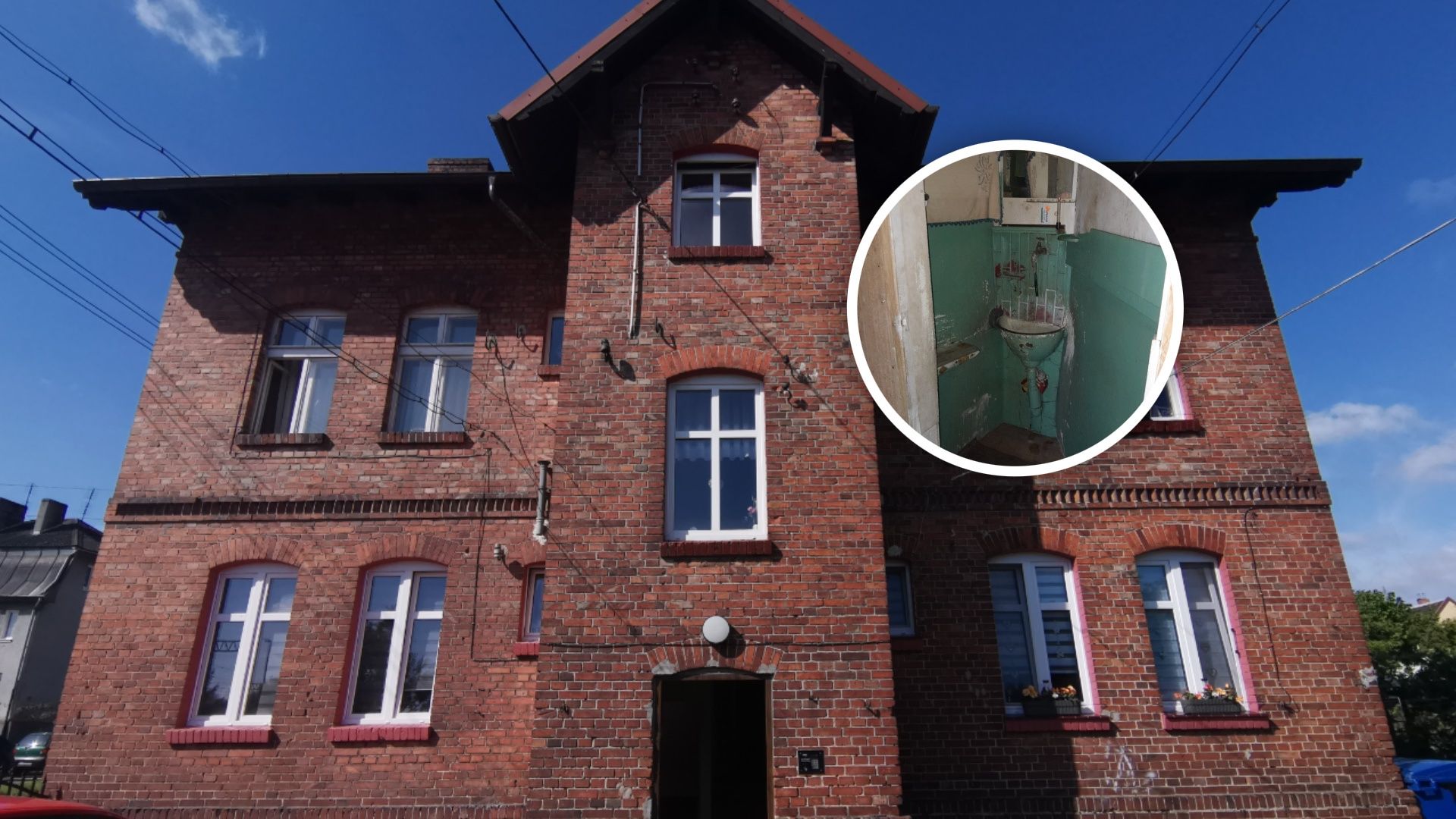
May 7, 2026 — Poland’s state railway company, Polskie Koleje Państwowe (PKP), is making headlines for its ambitious plan to sell off a portfolio of residential properties—some at prices as low as €1 per square meter—though buyers should be prepared for extensive renovation costs. The initiative, part of PKP’s broader asset divestment strategy, has sparked interest among real estate investors, first-time homebuyers and developers seeking opportunities in Poland’s housing market. However, experts warn that the ultra-low prices come with significant risks, including hidden structural defects, legal complexities, and the need for substantial upfront investment.
This auction program, which has gained traction in recent months, reflects PKP’s efforts to streamline its balance sheet amid financial pressures and shifting priorities. While the properties—ranging from urban apartments to rural homes—offer potential for high returns, potential buyers must navigate a complex landscape of legal requirements, renovation estimates, and market demand. Below, we break down the key details, financial implications, and what buyers need to know before placing bids.
The auctions are being conducted under Poland’s Law on State Treasury Property Management (Ustawa o zarządzaniu mieniem skarbu państwa), which allows public entities like PKP to dispose of non-core assets. According to the Ministry of State Treasury, the properties are sold “as-is,” meaning buyers assume full responsibility for renovation, utilities, and any outstanding debts or liens. This model mirrors similar programs in other EU countries, such as Germany’s Bundesanstalt für Immobilienaufgaben (BImA) auctions, though Poland’s approach is notable for its emphasis on transparency in listing conditions.
Why Are PKP Properties Being Sold at Such Low Prices?
PKP’s decision to auction off residential properties stems from a combination of financial and operational factors. The company, which operates Poland’s national rail network, has faced declining revenue in recent years due to reduced passenger numbers and increased competition from private transport providers. According to PKP’s 2025 Annual Report, the company recorded a net loss of PLN 1.2 billion in 2025, prompting leadership to explore asset sales to reduce debt and reinvest in core infrastructure.
Among the properties up for auction are former employee housing units, depots, and administrative buildings that PKP no longer requires. While some properties are located in prime urban areas—such as Warsaw, Kraków, and Wrocław—others are situated in less desirable or rural locations. The price disparity reflects this variance: properties in high-demand cities may fetch slightly higher bids, while those in peripheral areas are priced at rock-bottom rates to attract buyers.
For context, a recent government auction in Warsaw listed a 60-square-meter apartment in the city center for just €5,000—equivalent to €83 per square meter. However, initial inspections by real estate analysts suggest that renovation costs for such properties could exceed €100,000, eating into potential profit margins. “These auctions are a double-edged sword,” says Dr. Marta Kowalska, a real estate economist at the University of Warsaw. “While the entry price is tempting, the hidden costs of bringing these properties up to modern standards can be prohibitive for all but the most experienced investors.”
How Do the Auctions Work? Step-by-Step
The auction process is conducted online through PKP’s official platform, PKP Auctions, in partnership with the National Court Register (Krajowy Rejestr Sądowy). Here’s what potential buyers need to know:
- Eligibility: Auctions are open to individuals, legal entities, and foreign investors. However, non-residents may face additional tax and legal hurdles when purchasing property in Poland.
- Deposit Requirements: Bidders must submit a non-refundable deposit of at least 10% of the auction price to secure their bid. The deposit is forfeited if the buyer fails to complete the purchase within the specified timeline.
- Inspection Period: Buyers are granted a 14-day inspection period after winning the auction to assess the property’s condition. This period is critical, as it allows for professional evaluations of renovation needs.
- Completion Timeline: The sale must be finalized within 90 days of the auction’s conclusion. Failure to do so results in the deposit being returned to the highest unsuccessful bidder.
- Renovation Obligations: PKP does not provide financing for renovations, and buyers must secure their own funding. Some investors are turning to Poland’s “Renovation Loan” program, which offers subsidized mortgages for energy-efficient upgrades.
One unique aspect of PKP’s auctions is the inclusion of a “Renovation Cost Estimate” in the property listing. While these estimates are provided by PKP’s internal assessors, independent experts caution that they may understate actual costs. For example, a 2026 report by Rynek Nieruchomości found that renovation costs for PKP properties averaged 30–50% higher than the estimates provided in auction listings.
Financial Risks and Opportunities: What Investors Should Consider
For savvy investors, PKP’s auctions present a rare opportunity to acquire prime real estate at a fraction of market value. However, the financial risks cannot be overstated. Below are key considerations:

- Hidden Costs: Beyond renovation, buyers may encounter unexpected expenses such as:
- Outdated electrical and plumbing systems requiring full replacement.
- Asbestos or other hazardous materials in older properties.
- Legal fees for resolving property disputes or outstanding liens.
- Market Demand: Properties in less desirable locations may struggle to resell or rent out, particularly if local infrastructure or amenities are lacking.
- Tax Implications: Poland’s Property Acquisition Tax (PIT) applies to buyers, with rates varying by property type and location. Foreign investors may also face additional Capital Gains Tax (CIT) when selling.
- Financing Challenges: Banks are often reluctant to provide mortgages for properties requiring major renovations. Investors may need to secure private financing or use personal capital.
Despite these challenges, some buyers are already reaping rewards. For example, a group of developers in Kraków purchased a PKP depot in the city’s Podgórze district for €250,000 in 2025 and subsequently renovated it into luxury apartments, selling the units for an average of €3,500 per square meter—a 14-fold return on investment. However, such success stories are not guaranteed, and most experts advise caution.
Legal and Regulatory Framework: What Buyers Must Know
The sale of PKP properties is governed by several key regulations:
- Law on State Treasury Property Management (Ustawa z dnia 20 lipca 2018 r. O zarządzaniu mieniem skarbu państwa): This law outlines the conditions under which public entities can dispose of non-core assets. It requires that auctions be conducted transparently and that buyers are fully informed of the property’s condition.
- Civil Code (Kodeks cywilny): Section 158 on “Sale of Property in Its Existing Condition” applies, meaning buyers purchase the property “as-is” without warranty from the seller.
- Building Law (Prawo budowlane): Renovation projects must comply with Poland’s strict building codes, particularly regarding energy efficiency and structural integrity.
Buyers are strongly advised to consult with a Polish real estate lawyer before bidding, as legal disputes over property boundaries, zoning laws, or prior ownership claims have arisen in similar auctions. The Polish Bar Association (Radca Prawny) offers a directory of qualified legal professionals specializing in real estate transactions.
Who Is Buying PKP Properties? Profiles of the Investors
Initial data from PKP’s auction platform reveals a diverse range of buyers:
- Individual Homebuyers: Some buyers are first-time homeowners seeking affordable entry into Poland’s housing market. For example, a Warsaw resident purchased a 45-square-meter apartment in the city’s Żoliborz district for €3,000, planning to renovate it as a primary residence.
- Developers and Construction Firms: Companies like Budimex and Skanska Poland have shown interest in larger properties, particularly those with development potential. These firms often partner with architects to assess feasibility before bidding.
- Foreign Investors: While non-residents face additional hurdles, some European buyers—particularly from Germany and the UK—are exploring the auctions as a way to diversify their real estate portfolios. However, Poland’s Foreign Investment Agency reports that only 12% of successful bidders in 2025 were non-Polish citizens, citing bureaucratic barriers.
- Social Housing Initiatives: A few non-profit organizations have bid on properties to convert them into affordable housing for low-income families, though funding for such projects remains limited.
PKP’s auction platform does not disclose the identities of buyers, but industry insiders suggest that many successful bidders are repeat participants who have developed expertise in navigating the process.
What Happens Next? Upcoming Auctions and Key Deadlines
PKP has announced that the next round of auctions will be held in June 2026, with listings expected to include:
- Additional properties in Wrocław and Gdańsk.
- A former PKP administrative building in Kraków’s Old Town, listed at €1.5 million.
- Several rural properties in Podkarpackie Voivodeship, priced below €50,000.
Interested buyers should monitor PKP’s official auction calendar for updates. The Ministry of State Treasury has also indicated that it may expand the program to include commercial properties in the coming year, though no official timeline has been set.
Key Takeaways: Should You Bid?
- Pros: Ultra-low entry prices, potential for high returns if renovations are managed well, and access to prime urban locations.
- Cons: High renovation costs, legal risks, and the need for significant upfront capital.
- Best for: Experienced investors, developers, and buyers with access to renovation financing.
- Avoid if: You lack experience in property renovation or are unable to secure financing for unexpected costs.
For those considering a bid, experts recommend:
- Conducting a professional structural and environmental inspection before bidding.
- Consulting with a Polish real estate lawyer to review contract terms.
- Securing financing before the auction to avoid last-minute complications.
As PKP continues to divest non-core assets, the auctions offer a unique window into Poland’s real estate market—but success hinges on thorough due diligence and a clear understanding of the risks involved.
Final Thoughts: A Risk-Reward Play with Potential
PKP’s residential property auctions are a testament to the creative ways public entities can monetize underutilized assets. While the low prices are undeniably attractive, they come with a caveat: buyers must be prepared to invest not just in the property itself, but in the time, expertise, and capital required to bring it up to standard. For those willing to take on the challenge, the rewards can be substantial—but the path is not for the faint of heart.
Have you considered bidding on a PKP property? Share your thoughts—or your success stories—in the comments below. And for those seeking further guidance, PKP’s auction team can be reached at [email protected].
Dr. Olivia Bennett is the Chief Editor of the Business section at World Today Journal. Follow her insights on real estate trends and economic policy at world-today-journal.com/business.