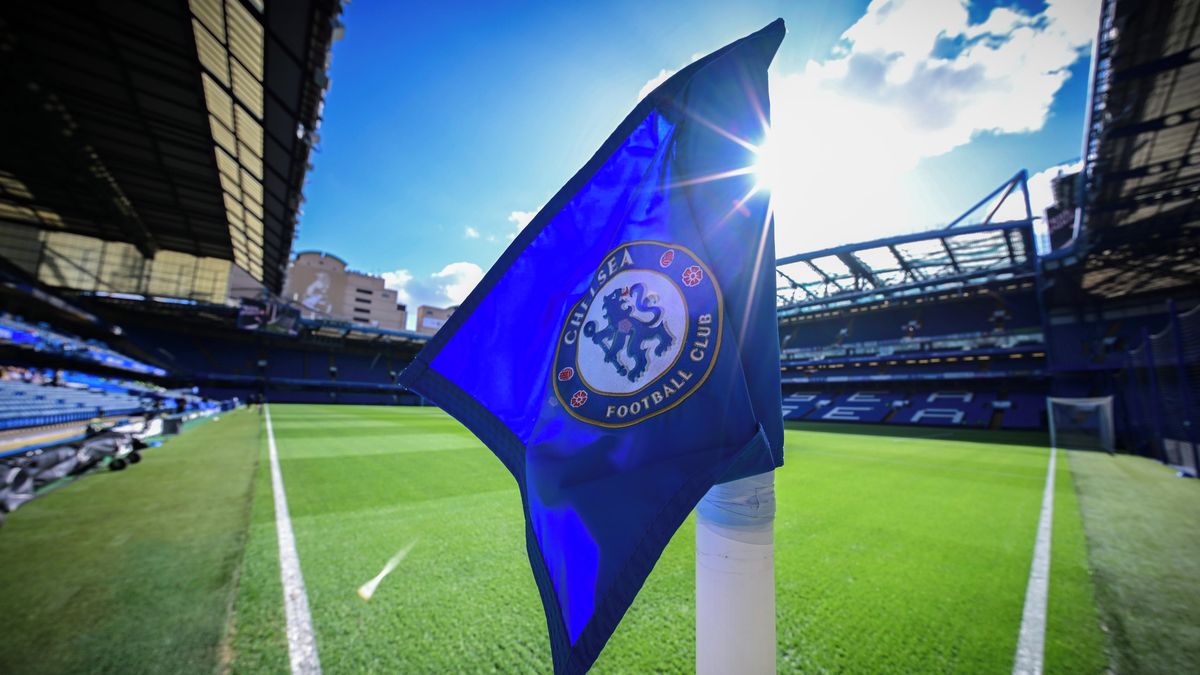
Lisbon, Portugal – The fallout from Roman Abramovich’s ownership of Chelsea Football Club continues to reverberate, with the UK government now threatening legal action to recover £2.5 billion (approximately $3.15 billion USD) from the sale of the Premier League club. The funds, currently frozen since Abramovich sold Chelsea in May 2022 following Russia’s invasion of Ukraine, are at the center of a dispute over whether they rightfully belong to the state, given allegations of Abramovich’s close ties to the Kremlin.
The government’s move signals a significant escalation in its efforts to recoup assets linked to sanctioned Russian oligarchs. While Abramovich successfully completed the sale of Chelsea to a consortium led by Todd Boehly and Clearlake Capital, the proceeds have remained in a frozen account, ostensibly to ensure they are not used to circumvent sanctions. The core contention revolves around the belief that Abramovich benefited from his relationship with Russian President Vladimir Putin and that the sale proceeds should be used for the benefit of the Ukrainian people.
The Sale of Chelsea and Initial Sanctions
In February 2022, following Russia’s full-scale invasion of Ukraine, Abramovich announced his intention to sell Chelsea, a club he had owned since 2003. The announcement came amid increasing pressure on Russian oligarchs to distance themselves from the Putin regime. Shortly thereafter, Abramovich was sanctioned by the UK government, citing his alleged association with Putin and his involvement in activities destabilizing Ukraine. The New York Times reported on Abramovich’s warnings to the UK government regarding any attempt to confiscate the sale proceeds.
The sanctions effectively placed Chelsea under a special license to operate, restricting ticket sales, merchandise revenue, and player transfers. The club was unable to function normally, prompting a rapid sale process. A consortium led by Boehly and Clearlake Capital ultimately agreed to purchase the club for £4.25 billion (approximately $5.35 billion USD), with a commitment to invest an additional £1.75 billion (approximately $2.2 billion USD) in the club’s stadium, academy, and women’s team. However, the funds from the sale were immediately frozen by the UK government, pending a determination of their ultimate disposition.
The Government’s Legal Threat and the £2.5 Billion Claim
The UK government now argues that the £2.5 billion generated from the sale should be considered “designated assets” and therefore subject to seizure under the sanctions regime. According to the Daily Mail, the government believes that Abramovich used his ownership of Chelsea to exert influence and that the sale proceeds are therefore tainted by his alleged association with the Russian state. The legal action aims to formally establish the government’s right to seize the funds and redirect them towards supporting Ukraine.
The government’s claim is based on the argument that Abramovich was not a “genuine” owner of Chelsea, but rather a custodian for Putin, and that the club was used as a tool of Russian soft power. This assertion is likely to be fiercely contested by Abramovich’s legal team, who will argue that he acted independently and that the sale was conducted in good faith.
Abramovich’s Response and Potential Legal Battles
Abramovich has already signaled his intention to fight the government’s attempt to confiscate the sale proceeds. He maintains that he acted in the best interests of Chelsea and that the sale was structured to ensure the club’s continued success. His legal team is expected to argue that the government’s claim is unfounded and that seizing the funds would be a breach of international law.
The legal battle is likely to be complex and protracted, potentially involving multiple jurisdictions and international legal precedents. Key questions will center on the extent of Abramovich’s alleged ties to Putin, the legality of the sanctions regime, and the government’s right to seize private assets. The outcome of the case could have significant implications for the future of sanctions enforcement and the treatment of assets linked to sanctioned individuals.
Wider Implications and the Precedent Set by Chelsea
The Chelsea case is being closely watched by other governments and law enforcement agencies around the world, as it could set a precedent for the seizure of assets linked to sanctioned individuals. If the UK government is successful in its legal action, it could embolden other countries to pursue similar measures, potentially leading to a significant increase in the recovery of illicit assets. The BBC highlights how the situation with Chelsea and Abramovich paved the way for the recent takeover of Wrexham AFC by Ryan Reynolds and Rob McElhenney, demonstrating a shift in ownership structures within football.
The case likewise raises significant questions about the role of football clubs as instruments of soft power and the need for greater transparency in ownership structures. The scrutiny of Abramovich’s ownership of Chelsea has prompted calls for stricter regulations to prevent sanctioned individuals from using football clubs to launder money or exert political influence.
The situation remains fluid, and the ultimate outcome is uncertain. However, the UK government’s determination to pursue legal action signals a clear message that it will not tolerate the use of the UK financial system to facilitate the activities of sanctioned individuals. The next step will likely involve formal court proceedings, with a hearing date yet to be announced. Readers can stay updated on the case through official government statements and reporting from reputable news organizations.
Key Takeaways:
- The UK government is attempting to seize £2.5 billion from the sale of Chelsea Football Club.
- The government argues the funds are linked to Roman Abramovich’s alleged ties to Vladimir Putin.
- Abramovich intends to fight the seizure in court.
- The case could set a precedent for the recovery of assets linked to sanctioned individuals.
Do you have thoughts on this developing story? Share your opinions in the comments below, and be sure to share this article with your network.
Worth a look