
Industrial relations in the Austrian chemical industry have reached a critical impasse, as labor negotiations for a new collective bargaining agreement—known locally as the Chemie-KV—have stalled following a seventh round of unsuccessful talks. The failure to secure a breakthrough has prompted trade unions to escalate industrial action, with thousands of employees across the sector participating in organized work stoppages to signal their dissatisfaction with current wage proposals.
As the primary representative for workers, the PRO-GE union has coordinated these measures to exert pressure on employers, demanding a wage increase that keeps pace with persistent inflationary pressures. The chemical sector, a cornerstone of the Austrian economy, now faces significant operational disruptions as the stalemate enters a more aggressive phase. This situation underscores a broader trend of labor unrest in Europe, where the cost-of-living crisis continues to drive a wedge between corporate profit margins and employee expectations, according to analysis from the Austrian Trade Union Federation (ÖGB).
Escalating Industrial Action Across Austria
The decision to expand strikes came after negotiators failed to bridge the gap between union demands and the offers presented by the industry’s representative body, the Association of the Chemical Industry (FCIO). While the exact percentage of the proposed wage increase remains a point of contention, unions have signaled that previous offers were insufficient to offset the cumulative impact of recent inflation rates, which have remained notably volatile in the Eurozone, as tracked by Eurostat data.
Recent reports indicate that warning strikes have manifested in various industrial hubs, including significant turnout in regions such as Kundl, where hundreds of workers gathered to voice their support for the union’s bargaining position. These demonstrations are not isolated incidents; they represent a coordinated effort to demonstrate the collective bargaining power of the workforce. By halting production lines, the unions are aiming to force a return to the negotiating table with a more favorable offer, emphasizing that the current economic climate necessitates substantial wage adjustments to maintain the standard of living for those employed in the chemical and pharmaceutical manufacturing sectors.
The Economic Stakes of the Chemie-KV Deadlock
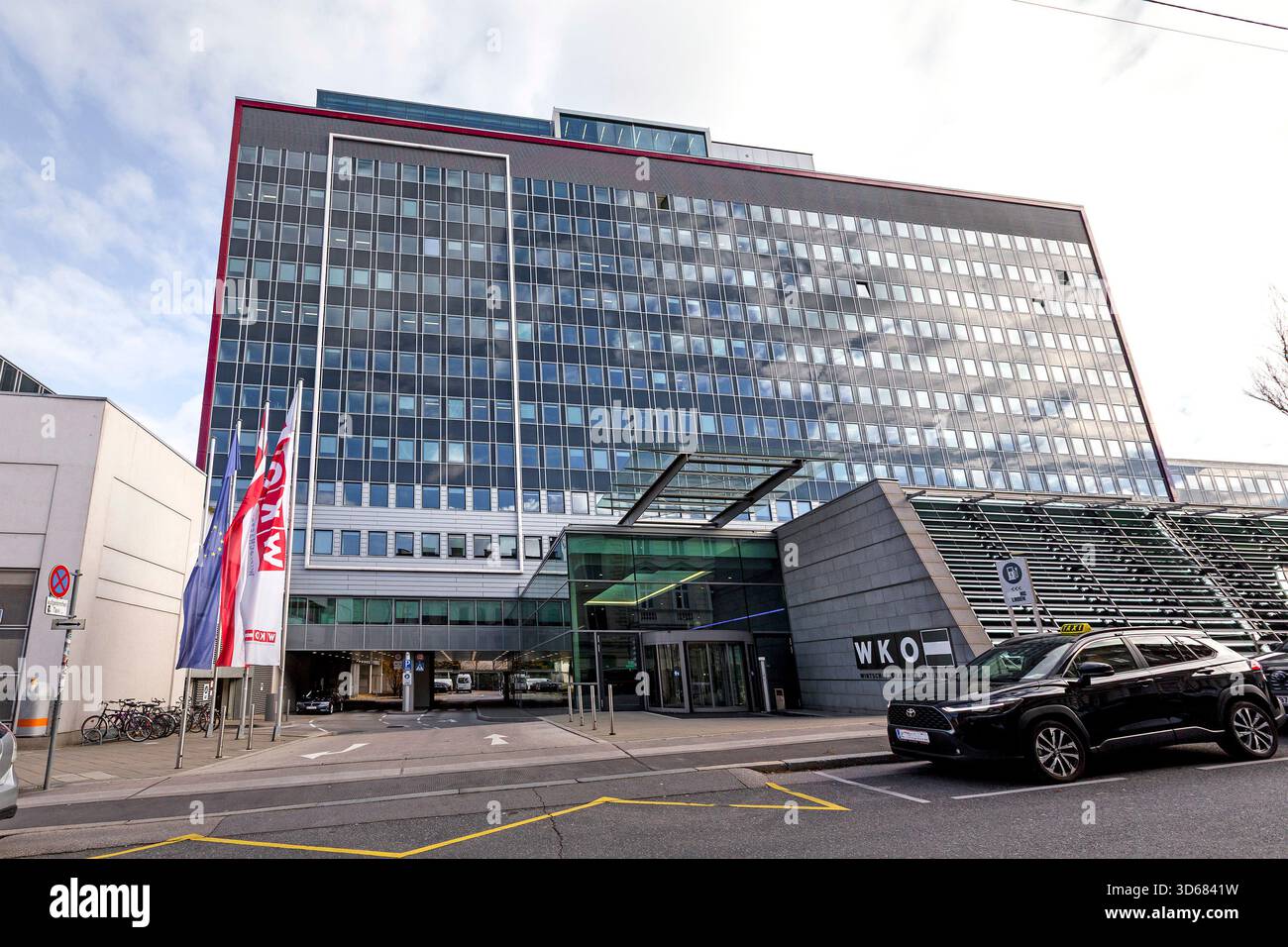
The chemical industry is vital to Austria’s export-oriented economy, encompassing a diverse range of companies that produce everything from specialized plastics to life-saving pharmaceutical components. A prolonged work stoppage could have ripple effects throughout the supply chain, potentially impacting domestic and international logistics. Employers have expressed concern over the feasibility of meeting high wage demands, citing competitive pressures in the global market and high energy costs, which remain a primary concern for energy-intensive industries in Central Europe, as noted by the Austrian Federal Economic Chamber (WKO).
For the workers, the issue is fundamentally about purchasing power. With inflation having eroded real wages over the past two years, labor representatives argue that the industry must reinvest a greater share of its revenue into the workforce. The tension is palpable in the ongoing negotiations, where both sides are balancing the need for long-term industrial stability against the immediate necessity of addressing the cost-of-living crisis. This standoff serves as a bellwether for other sectors currently entering their own collective bargaining cycles.
What Happens Next: Navigating the Impasse
As of this week, no date has been formally announced for the resumption of the eighth round of negotiations. Both the FCIO and the PRO-GE union remain in a state of strategic positioning. The continuation of strikes depends largely on whether either party shows a willingness to move from their current positions. Observers of the Austrian labor market suggest that a mediator may eventually be required if the gap between the two sides remains as wide as it currently appears, a common mechanism in the country’s highly structured social partnership model.
For those affected by these developments—whether as employees, investors, or industry partners—monitoring official updates from the relevant union portals and employer associations is essential. The situation remains fluid and further industrial action could be announced on short notice if the next attempt at dialogue fails to produce a consensus. We will continue to track these developments as they impact the broader European industrial landscape.
What are your thoughts on the current state of labor negotiations in the European chemical sector? Join the conversation by sharing your perspective in the comments section below, and stay tuned to our ongoing coverage of international labor affairs.
Related reading