
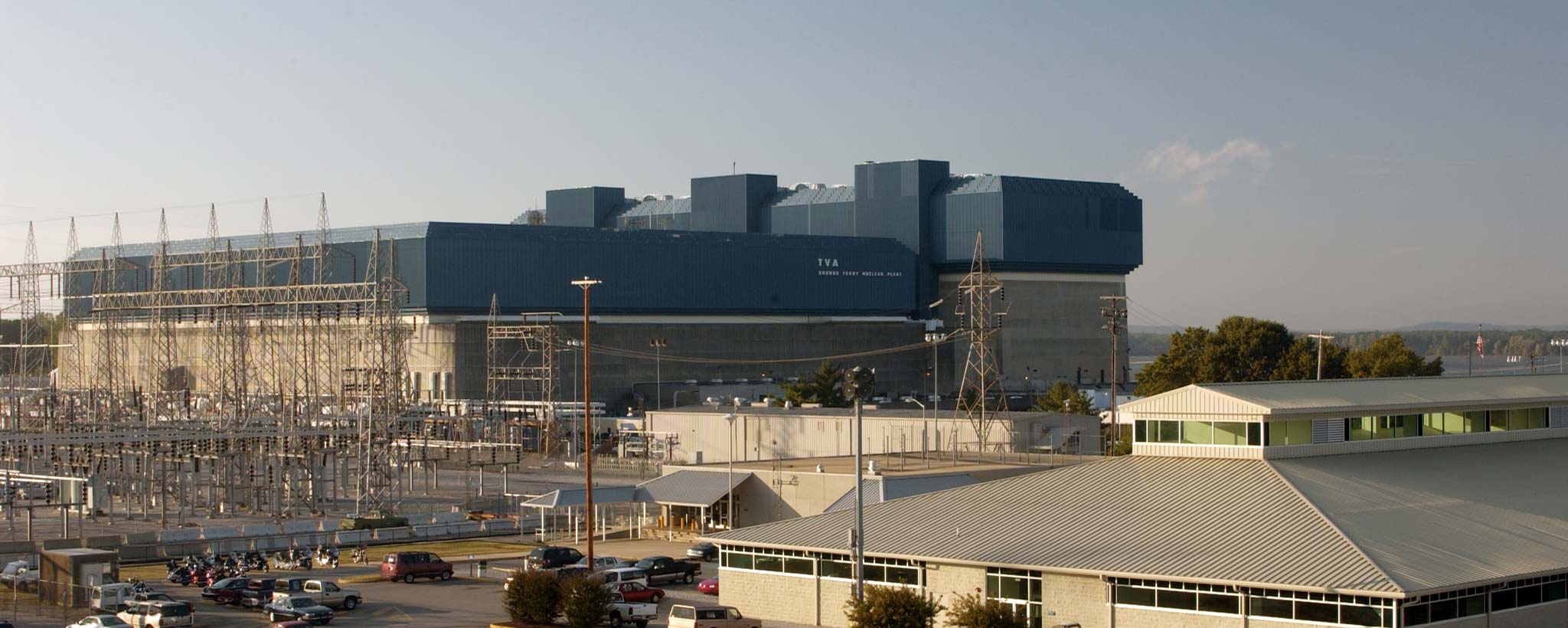
The Browns Ferry Nuclear Plant, located in Limestone County, Alabama, continues to operate under strict regulatory oversight as it manages the cooling of spent nuclear fuel in its storage pools. The faint blue glow often observed in such environments, known as Cherenkov radiation, is a standard physical phenomenon associated with the high-energy particles emitted by radioactive material submerged in water, according to the U.S. Nuclear Regulatory Commission (NRC).
Operated by the Tennessee Valley Authority (TVA), the Browns Ferry facility remains a focal point for regional energy production and nuclear safety monitoring. The presence of Cherenkov radiation in spent fuel pools is not an indication of an accident or an emergency; rather, it is a routine byproduct of the interaction between beta particles and the pool water at light-water reactor sites, as documented by the U.S. Department of Energy.
Understanding Cherenkov Radiation in Nuclear Facilities
Cherenkov radiation occurs when charged particles, such as electrons, travel through a dielectric medium—in this case, water—at a speed greater than the phase velocity of light in that medium. This creates a shockwave of light, similar to a sonic boom produced by an aircraft exceeding the speed of sound. The resulting blue hue is a hallmark of spent fuel pools, where highly radioactive fuel assemblies are stored to allow for cooling and the decay of short-lived isotopes.
The NRC maintains rigorous safety standards for the storage of this material. Spent fuel pools at facilities like Browns Ferry are designed with redundant cooling and circulation systems to ensure that the water temperature remains within safe operational limits. These pools are shielded by thick concrete and steel structures, and the water itself acts as both a coolant and a radiation shield, protecting facility workers and the surrounding environment from direct exposure.
Operational Oversight at Browns Ferry
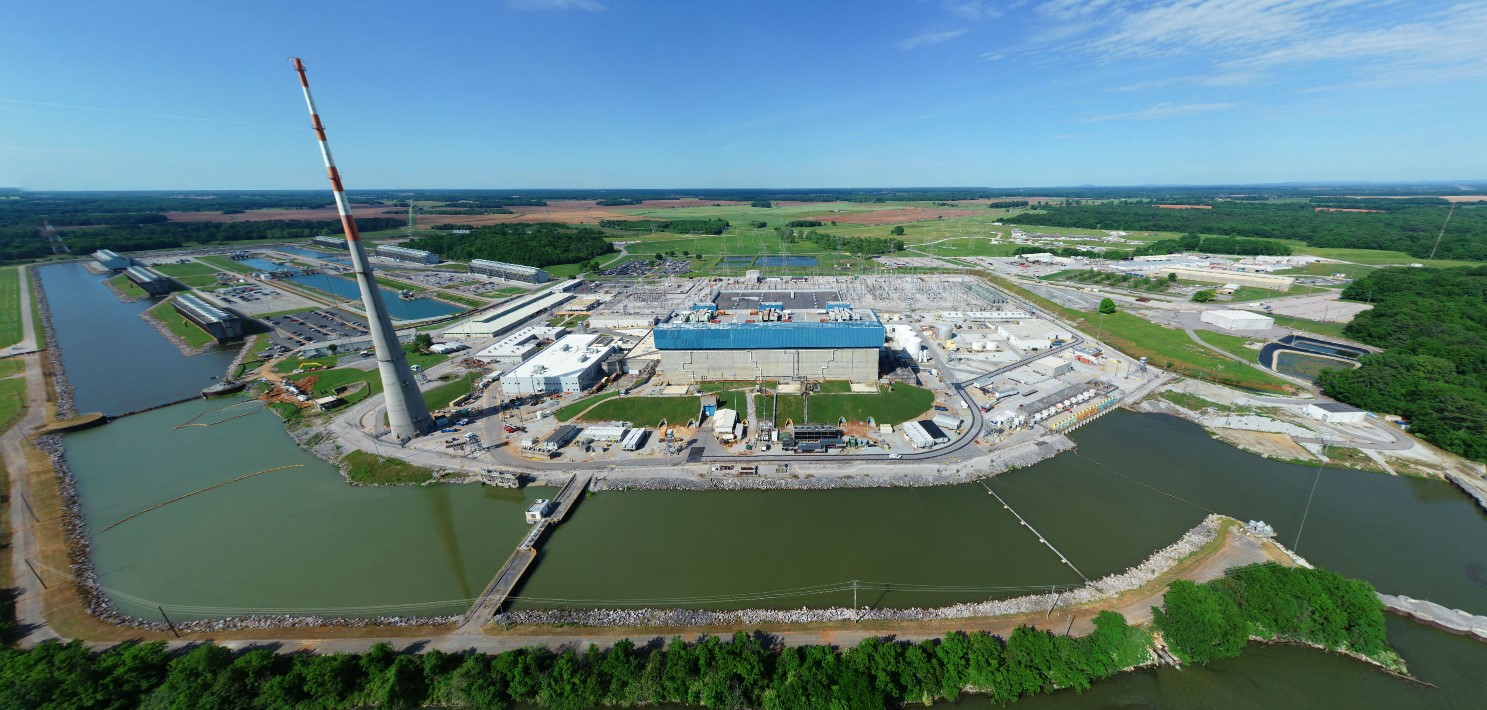
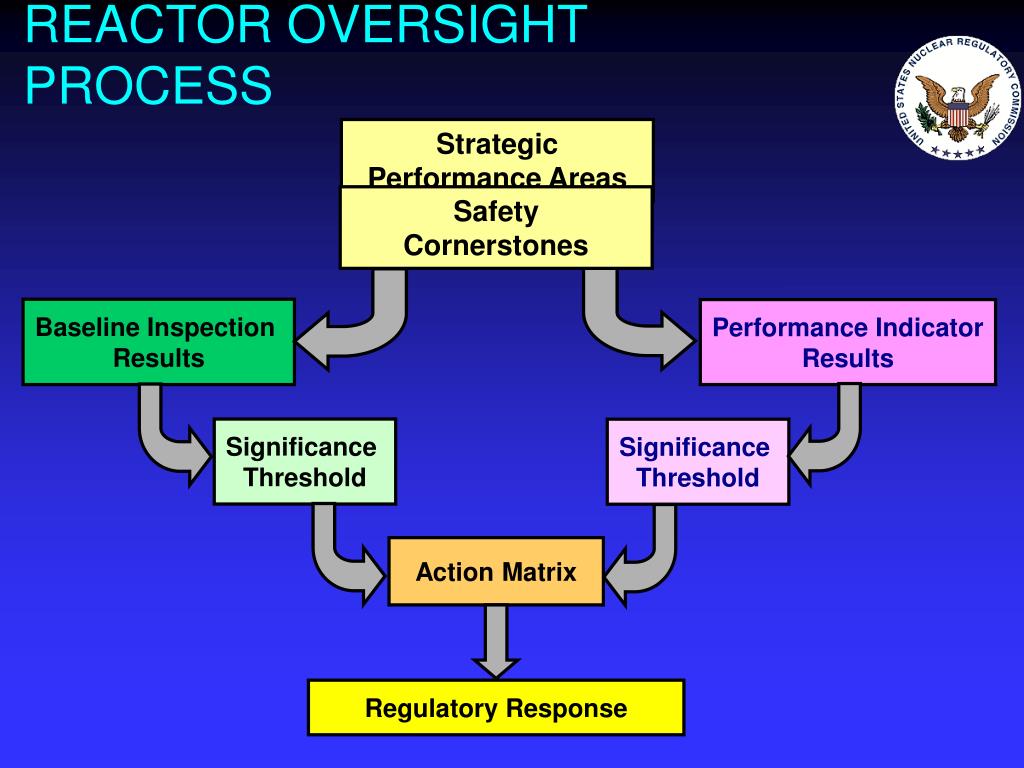
The Browns Ferry Nuclear Plant houses three boiling water reactors, which provide power to millions of customers across the Tennessee Valley. Because of the scale of these operations, the site is subject to constant inspection by the NRC, which maintains resident inspectors on-site to monitor compliance with federal safety protocols. According to the NRC’s official facility profile, the plant is evaluated regularly through the Reactor Oversight Process, which tracks performance indicators related to safety, emergency preparedness, and security.
The management of spent nuclear fuel is governed by strict federal mandates, including the requirement for comprehensive monitoring of water chemistry, pool levels, and structural integrity. Should any deviation from standard operating parameters occur, the TVA is required to report the incident to the NRC, which then conducts an investigation to determine the root cause and ensure corrective actions are taken. As of the most recent public data, there have been no reports of safety-related incidents concerning the integrity of the fuel pools at Browns Ferry.
Why Spent Fuel Storage Remains a Priority
The storage of spent fuel is a temporary measure while the United States continues to address the long-term management of high-level radioactive waste. Fuel assemblies are typically stored in the pools for several years until their thermal heat generation decreases sufficiently to allow for transfer into dry cask storage. These dry casks are robust, steel-reinforced concrete containers designed to withstand extreme environmental conditions and impact.
The transition from pool storage to dry cask storage is a standard procedure across the U.S. nuclear industry. By moving fuel to dry casks, plants can maximize space in their primary storage pools and further enhance safety margins. The TVA coordinates these operations under the supervision of the NRC to ensure that every stage of the fuel cycle meets established radiation protection standards.
Public Information and Safety Monitoring
For residents living near the Browns Ferry facility, the TVA provides regular updates regarding plant operations and environmental monitoring. The facility’s performance data is available for public review through the NRC’s Reactor Oversight Process webpage, which provides transparency regarding inspection findings and enforcement actions. These resources are intended to keep the public informed about the safety status of the plant and the regulatory environment in which it operates.
The next scheduled updates regarding the facility’s performance and safety inspections will be published by the NRC in their quarterly report cycle. Readers interested in the latest developments at the site are encouraged to monitor official NRC press releases and the TVA’s corporate newsroom. We welcome your thoughts on these safety protocols—please feel free to share this article or join the discussion in the comments section below.
Related reading