Japan’s Cherry Blossom Season Begins Early, Signaling a Shift in Spring’s Arrival
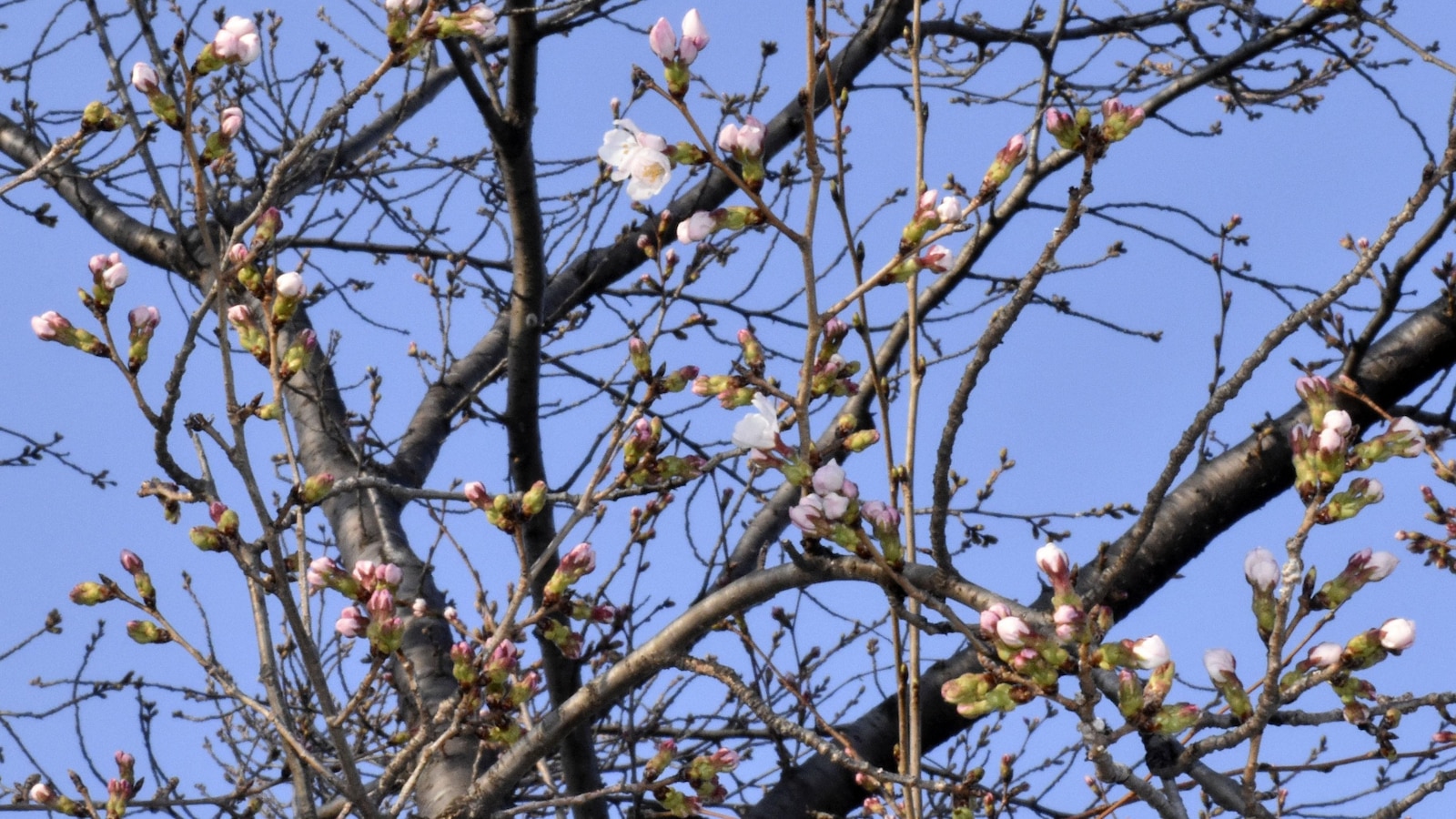
Tokyo – The ephemeral beauty of Japan’s cherry blossoms, or “sakura,” has begun to unfold, marking the official start of the viewing season. The Japan Meteorological Agency (JMA) announced on Monday, March 16, 2026, that the first blossoms of the Somei Yoshino variety have emerged in three cities: Kochi, Gifu, and Yamanashi. This delicate bloom, a deeply ingrained cultural symbol for the nation, is occurring earlier than usual, prompting observations about the changing climate and its impact on this beloved tradition. The early flowering is particularly notable as it coincides with the start of a new school and business year in Japan, a time traditionally celebrated amidst the pink and white hues of the sakura.
The JMA’s determination of “first bloom” is based on a strict criterion: the observation of more than five flowers on benchmark trees in each location. Kochi Prefecture, located in southwestern Japan, once again takes the lead, with its Somei Yoshino tree blossoming for the third consecutive year as the first in the nation. The flowering in Kochi occurred six days earlier than the average, according to the JMA. Gifu and Yamanashi, both in central Japan, followed closely behind, with their blossoms appearing nine days ahead of schedule. This widespread early blooming across different regions of Japan is raising eyebrows among meteorologists and botanists alike.
Factors Contributing to the Early Bloom
While the precise causes are complex, experts suggest a combination of factors contributed to this year’s early display. Shinobu Imoto of the Kochi Meteorological Agency indicated to TBS television that lower-than-average rainfall during the winter months, coupled with increased sunshine hours, likely played a significant role. Nippon TV News 24 reported that the blooming in Kochi is the third year in a row to occur first in the nation. These conditions created a warmer microclimate, accelerating the development of the flower buds. The Somei Yoshino variety, known for its delicate pink blossoms, is particularly sensitive to temperature fluctuations, making it a reliable indicator of seasonal changes.
The timing of the cherry blossom season is closely monitored by both the JMA and private weather forecasting companies like Weathernews. Weathernews predicts that the season will commence in Tokyo around March 18, 2026. These forecasts are not merely of interest to flower enthusiasts; they also have economic implications, influencing tourism and related industries.
A Cultural Tradition Facing Modern Challenges
The tradition of “hanami,” or flower viewing, is deeply embedded in Japanese culture. For centuries, people have gathered under the blossoming trees to celebrate the arrival of spring, enjoy picnics, and reflect on the transient nature of life – a concept known as “mono no aware.” Sakura have been a recurring motif in Japanese art, literature, and poetry, symbolizing beauty, renewal, and the fleeting nature of existence. The blossoms are so culturally significant that their blooming is often reported as news, and their progress is tracked with keen interest by the public.
However, the increasing popularity of hanami has also brought challenges. In recent years, communities near popular cherry blossom viewing spots have reported issues with overtourism, including excessive littering, noise pollution, and disrespectful behavior. These concerns have prompted local authorities to implement measures to manage crowds and protect the environment. The balance between preserving this cherished tradition and mitigating its negative impacts remains a delicate one.
Early Bloom Raises Climate Change Concerns
The consistently earlier blooming times observed in recent years are fueling concerns about the impact of climate change on Japan’s natural environment. While a single early bloom cannot be definitively attributed to climate change, the trend is consistent with broader patterns of warming temperatures and altered weather patterns. Scientists are studying the long-term effects of these changes on the sakura trees and the ecosystems they support. The JMA continues to monitor the situation closely, collecting data on flowering times and other environmental factors.
The early arrival of the cherry blossoms also has implications for agriculture and other sectors. Farmers rely on seasonal cues to guide their planting and harvesting schedules, and changes in these cues can disrupt agricultural practices. The tourism industry, which benefits significantly from the cherry blossom season, must also adapt to the shifting timing of the blooms.
Looking Ahead: Tracking the Sakura Front
As the cherry blossom front moves northward across Japan, the JMA and other organizations will continue to provide updates on the progress of the blooms. The “sakura zensen” (cherry blossom front) is a popular topic of conversation and a key indicator of the changing seasons. The peak bloom typically lasts for about a week, offering a limited window of opportunity for viewing. This year, with the early start, many are anticipating a shorter but equally beautiful season.
The blooming of the cherry blossoms is more than just a picturesque event; it is a cultural touchstone, an economic driver, and a reminder of the delicate balance between nature and human activity. As Japan navigates the challenges of a changing climate, preserving this cherished tradition will require careful planning, sustainable practices, and a deep respect for the natural world.
The next major update from the JMA regarding the cherry blossom front is expected on March 20, 2026, with a detailed forecast for the Kanto region, including Tokyo. Stay tuned to World Today Journal for continued coverage of this evolving story. We encourage our readers to share their own experiences and observations of the cherry blossom season in the comments below.
Worth a look