
Taipei Mayor Chiang Wan-an has called for the abolition of Taiwan’s Control Yuan following the Presidential Office’s release of a new list of nominees for the oversight body. Chiang’s stance comes as the government proposes 29 individuals to lead the 7th term of the Control Yuan, a move that has intensified political friction between the Kuomintang (KMT) and the Democratic Progressive Party (DPP) regarding the necessity and reform of the nation’s constitutional oversight branch.
The Presidential Office announced the list of nominees for the 7th term of the Control Yuan, which includes candidates for the positions of President, Vice President, and Commissioners. This announcement has triggered a sharp response from Chiang Wan-an, a prominent figure in the KMT, who suggested that the institution should be dismantled rather than replenished. The political tension follows years of debate regarding the efficiency and constitutional role of the Control Yuan within the Republic of China’s five-branch government system.
What triggered Chiang Wan-an’s call for abolition?
The call for abolition follows the Presidential Office’s formal release of the 29-person nominee list intended to fill upcoming vacancies in the Control Yuan. Chiang Wan-an, the Mayor of Taipei and a key leader within the KMT, expressed strong opposition to the proposed appointments. According to reports from local news outlets, Chiang urged the Legislative Yuan to reject the list, arguing that the Control Yuan itself has become an outdated institution that should be abolished.
Chiang’s comments appear to target the perceived political bias within the nomination process. While the Presidential Office maintains that the nominees are selected to ensure a functional and independent oversight body, opposition lawmakers have frequently alleged that the appointments favor the ruling DPP. By calling for the total removal of the branch, Chiang has shifted the political conversation from the specific qualifications of the nominees to a broader debate on constitutional reform.
Who are the nominees for the 7th Control Yuan?
The Presidential Office’s list includes several high-profile names intended to lead the 7th term of the Control Yuan. Among the prominent nominees is Chen Yung-hsing, who has been put forward as a candidate for the position of President of the Control Yuan. The list comprises a total of 29 individuals, including candidates for the Vice Presidency and various Commissioner roles, all of whom must undergo a confirmation process by the Legislative Yuan.
The selection process for these roles is a critical component of Taiwan’s power-sharing mechanism. Under the current constitutional framework, the President of the Republic nominates the heads of the various Yuans, but these nominations require the consent of the legislature. The current list has already drawn scrutiny from opposition members, who are reviewing the professional backgrounds and political affiliations of each nominee to determine their suitability for oversight duties.
Key Nominee Categories
- President and Vice President: Candidates tasked with the overall leadership and strategic direction of the Control Yuan.
- Control Yuan Commissioners: Individuals responsible for specific oversight functions, including investigations and censures.
- Administrative Support: Personnel intended to facilitate the legal and investigative mandates of the branch.
Why is the Control Yuan a subject of political debate in Taiwan?
The Control Yuan is one of the five branches of the government in the Republic of China, a structure established by Sun Yat-sen. Its primary mandate is to act as an independent watchdog, possessing the power to impeach government officials, censure administrative agencies, and investigate corruption or malpractice. However, the institution has faced consistent criticism from both political parties and legal scholars regarding its practical utility in a modern democracy.
Critics often argue that the Control Yuan’s functions overlap significantly with those of the judiciary and the Legislative Yuan’s own oversight committees. This perceived redundancy has led to recurring proposals for constitutional reform, with some advocates suggesting that the oversight powers of the Control Yuan should be integrated into other existing branches of government to streamline administration and reduce costs.
Supporters of the institution, however, contend that a dedicated, independent branch is essential to prevent the executive branch from exercising unchecked power. They argue that the Control Yuan provides a specialized mechanism for citizen redress and government accountability that would be diluted if absorbed into the legislature or the courts.
| Feature | Control Yuan | Legislative Yuan |
|---|---|---|
| Primary Function | Impeachment and censure of officials. | Lawmaking and budget approval. |
| Investigative Power | Independent investigative mandate. | Committee-based inquiries and questioning. |
| Constitutional Status | Separate, independent branch. | Legislative branch. |
| Main Criticism | Redundancy and inefficiency. | Partisan political influence. |
What is the legislative path for these nominees?
The nominees released by the Presidential Office do not automatically assume their roles. To take office, each nominee must undergo a formal confirmation process within the Legislative Yuan. This process typically involves public hearings where nominees are questioned by legislators regarding their legal expertise, political neutrality, and vision for the institution. Following the hearings, the Legislative Yuan must hold a vote to confirm or reject the candidates.
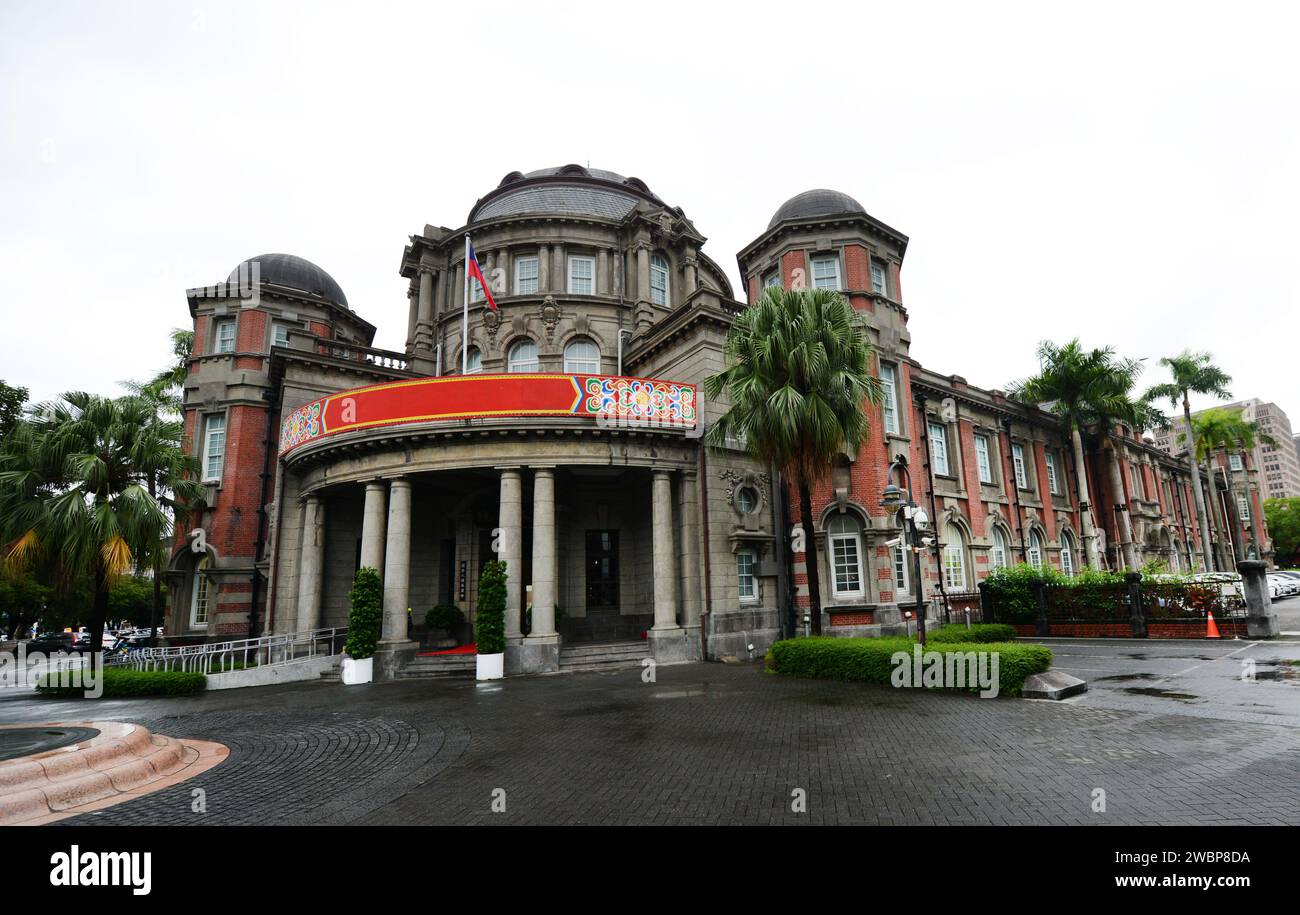
The upcoming confirmation sessions are expected to be highly contentious. Given the current political split in the Legislative Yuan, the KMT and other opposition blocks are likely to use the hearing process to challenge the qualifications of the DPP-aligned nominees. The outcome of these votes will determine whether the 7th term of the Control Yuan can proceed with the current list or if the Presidential Office will be forced to submit a revised set of candidates.
The political stakes are high, as the composition of the Control Yuan influences how government agencies are monitored and how political scandals are investigated. A successful confirmation of the current list would strengthen the ruling party’s influence over the oversight mechanism, while a mass rejection would signal a significant legislative victory for the opposition and potentially accelerate calls for institutional reform.
The Legislative Yuan is expected to schedule the first round of confirmation hearings for the Control Yuan nominees in the coming weeks. Official dates and the specific hearing schedule will be released through the Legislative Yuan’s formal channels.
Please share this report and join the discussion in the comments below regarding the future of Taiwan’s oversight institutions.