
In the realm of global health, few stories are as enduring or as harrowing as those of physicians who choose to operate in the world’s most volatile conflict zones. Among them is Dr. Chiara Castellani, an Italian surgeon and lay missionary whose career has been defined by a steadfast commitment to providing critical care in regions torn apart by war and systemic poverty. Her journey, spanning decades and continents, serves as a profound testament to the intersection of medical expertise and humanitarian devotion.
Dr. Castellani’s work is not merely about clinical intervention; it is about the persistence of healthcare in environments where infrastructure has collapsed. From the jungles of Central America to the heart of Africa, she has navigated the complexities of war-torn landscapes to treat those whom the world often forgets. Her trajectory from a medical student in Rome to a recognized humanitarian figure highlights the critical necessitate for specialized surgical care in underserved regions.
The life of this “war doctor” is characterized by a refusal to abandon her patients, even when political instability makes remaining in a region dangerous. Whether managing maternal health in Nicaragua or performing emergency surgeries in the Democratic Republic of the Congo, Dr. Castellani has consistently prioritized the immediate needs of the vulnerable over her own safety, earning her prestigious accolades and the respect of the international medical community.
Early Foundations and the Nicaraguan Experience
Born in Parma on November 23, 1956, Chiara Castellani’s path toward humanitarian medicine began early. Driven by a childhood interest in missionary work, she pursued a degree in Medicine and Surgery at the Catholic University of the Sacred Heart in Rome. Her academic focus was shaped by a specific ideal: to provide medical aid to the victims of the Sandinista revolution in Nicaragua Chiara Castellani – Wikipedia.
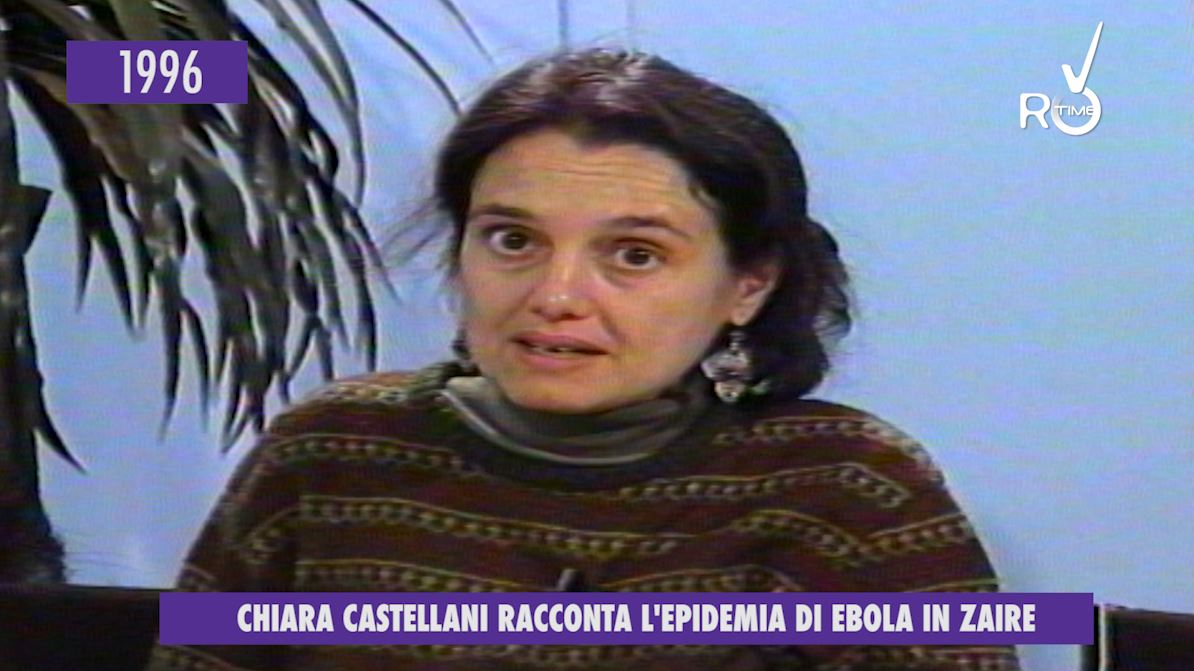
Immediately following her graduation in 1983, Dr. Castellani entered the field through a civil volunteering program with the Movimento laici America Latina (MLAL), a non-governmental organization. Alongside her husband, she began her practice at the hospital in Matagalpa, a city in the heart of Nicaragua. During this period, she focused heavily on pediatric vaccinations, addressing the urgent health needs of the youngest and most vulnerable populations during a time of intense social and political upheaval.
Her experience in Nicaragua was one of constant adaptation. After a brief return to Italy in February 1984 due to a separation from her husband, she returned to Matagalpa to continue her work. By 1986, her expertise led her to be appointed by the Nicaraguan Ministry of Health (MINSA) to the Fidel Ventura Hospital in Waslala, located in central Zelaya. In this role, she managed a wide array of critical services, including obstetrics, gynecology, emergency surgery, and maternal and child health programs Chiara Castellani – Wikipedia.
It was in Waslala that Dr. Castellani’s role evolved into that of a surgeon dealing with the brutal realities of conflict. She became a “mutilating doctor,” a term describing her work in amputating limbs and reconstructing bodies disfigured by the violence of the revolution. Following the end of the revolution in 1988, she transitioned her efforts toward an integral development project for the territory, extending her solidarity initiatives back to religious communities in Italy.
A Lifelong Mission in the Democratic Republic of the Congo
While Nicaragua provided the training ground for her humanitarian efforts, Dr. Castellani’s long-term aspiration had always been to serve in Africa. In 1991, through the support of the “Amici di Raoul Follereau” association, she finally realized this goal by traveling to the Congo Una piccola grandissima donna: Chiara Castellani. This region, plagued by chronic instability and extreme poverty, would become her second home for over three decades.
Her tenure in the Democratic Republic of the Congo has been marked by an unwavering presence through some of the country’s darkest periods. In 1997, following the defeat of dictator Mobutu and the rise of Laurent Kabila, war surged through the diocese of Kenge. While many international workers were evacuated for their safety, Dr. Castellani made the conscious decision to refuse repatriation, choosing instead to remain with her patients amidst the escalating violence Chiara Castellani – Wikipedia.
Operating as a lay missionary, surgeon, teacher, and trainer, she has dedicated 35 years to the Congo, working in some of the poorest zones of the country Chiara Castellani’s testimony to Romena. Her work involves not only direct clinical care but also the training of local health workers, ensuring that the capacity for medical intervention remains within the community even when international aid fluctuates.
Recognition and Humanitarian Impact
The scale of Dr. Castellani’s impact has been recognized by both national and international bodies. Her commitment to humanitarianism and her bravery in conflict zones led to her being named an Officer of the Italian Republic, a title conferred by President Ciampi for her humanitarian merits Una piccola grandissima donna: Chiara Castellani. She has received a prestigious award from Rotary International, acknowledging her contributions to global health and service.
Beyond the awards, her legacy is found in the systemic improvements she has fostered in the regions where she serves. By specializing in gynecology and obstetrics—fields that are often critically underserviced in war zones—she has directly reduced maternal and infant mortality rates in the communities of Kenge and beyond. Her approach combines the immediate necessity of emergency surgery with the long-term goal of public health education.
Key Milestones in Dr. Castellani’s Career
| Year/Period | Location | Primary Role & Focus |
|---|---|---|
| 1981–1986 | Rome, Italy | Medical studies and specialization in Gynecology and Obstetrics |
| 1983–1988 | Nicaragua | Pediatric vaccination, emergency surgery, and maternal health in Matagalpa and Waslala |
| 1991–Present | DR Congo | Surgical care, medical training, and missionary work in Kenge and surrounding areas |
| 1997 | Kenge, Congo | Refusal of repatriation during the transition from Mobutu to Kabila |
The Challenges of War Medicine
Practicing medicine in a conflict zone requires a different set of skills than those used in a stable urban hospital. Dr. Castellani’s experience underscores the “triage” nature of war medicine, where practitioners must make rapid, life-altering decisions with limited resources. The transition from a specialist in gynecology to a surgeon performing amputations in Nicaragua illustrates the fluidity required of medical professionals in these environments.
the psychological toll of working in “torn” lands—as described in her testimonies—is significant. The ability to maintain a sense of hope and “move forward” (an intercalary phrase she often uses) is essential for survival and effectiveness in the field. Her work in the Congo, specifically in the poorest zones, requires not just medical skill but a deep cultural integration and a commitment to the dignity of the patient regardless of the surrounding chaos.
For those interested in the realities of humanitarian medical work, the following testimony provides a glimpse into her experiences in the Congo:
Conclusion and Future Outlook
Dr. Chiara Castellani continues to represent the vital link between professional medical expertise and selfless humanitarianism. Her life’s work demonstrates that the most effective medical interventions in the developing world are often those rooted in long-term presence and a refusal to leave when the situation becomes perilous.
As the global community continues to grapple with healthcare disparities and the impact of conflict on public health, the model provided by Dr. Castellani—combining specialized surgical skill with a mission-driven approach—remains a blueprint for those seeking to make a tangible difference in the world’s most marginalized regions.
There are no currently scheduled public hearings or official government filings regarding new mandates for her specific missions; however, her ongoing work in the Democratic Republic of the Congo continues to provide a critical lifeline for thousands of patients.
We invite our readers to share their thoughts on the role of international medical volunteers in conflict zones in the comments section below.
Worth a look