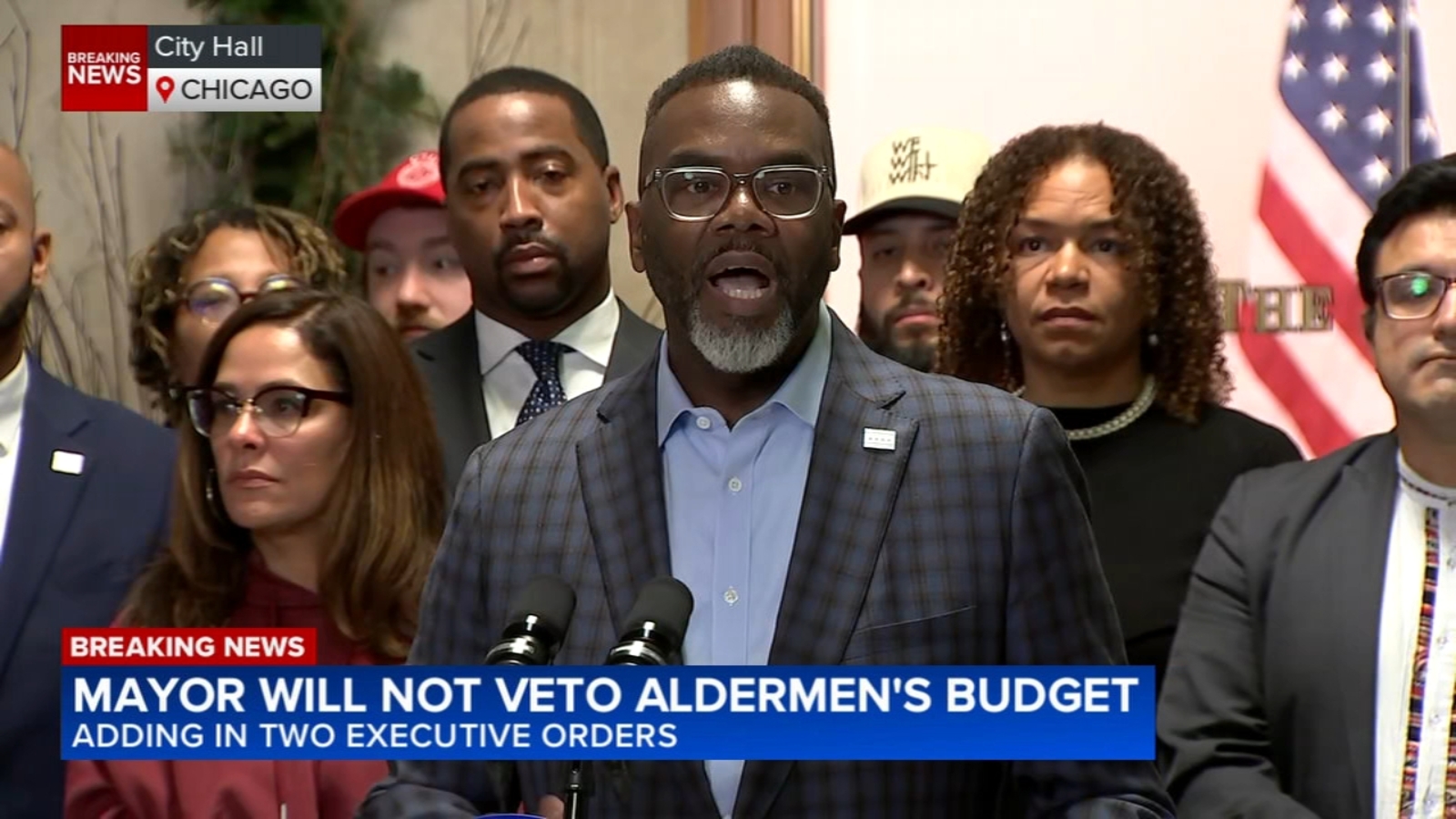
Chicago Mayor Faces Budget Clash Over Video Gaming and Overtime Rules
Chicago Mayor Brandon Johnson is navigating a critical juncture with the city’s recently approved budget, notably regarding the contentious issue of legalizing video gaming terminals (VGTs) and new regulations surrounding police overtime. These decisions are sparking debate about fiscal responsibility, economic impact, and the well-being of city employees.
Overtime Accountability & Officer well-being
Johnson recently issued an executive order aimed at bringing greater discipline and accountability to the Chicago Police Department’s overtime process. He stated this change is long overdue and essential for responsible spending.
This new structure emphasizes fiscal discipline and modernized workforce practices. ultimately,the goal is to protect the mental health and well-being of officers while ensuring taxpayer dollars are used transparently.
The Video Gaming Debate: A City Divided
The budget also includes a provision to legalize video gaming terminals, a move Johnson initially opposed, labeling the proposal “morally bankrupt.” Currently, nearly 50,000 VGTs operate across Illinois, but remain illegal within Chicago city limits.
The approved budget could change that,potentially allowing these terminals in bars,restaurants,and other businesses throughout the city. Alderman nicholas Sposato of the 38th Ward highlights the disparity, noting businesses near the city border are losing customers to neighboring suburbs where VGTs are already permitted.
Though, Johnson proposes a substantially more limited scope for video gaming. His plan would restrict terminals to Chicago Midway International Airport.
Concerns from Bally’s Casino
Bally’s,the operator of Chicago’s temporary casino at the Medinah Temple,also opposes the broader legalization of VGTs. They argue that video gaming terminals have already negatively impacted casino revenues in other parts of the state.
These potential losses could translate to fewer jobs and reduced revenue for the city. This is especially concerning as Bally’s prepares to open its permanent casino location in River West.
Currently, Chicago receives approximately 22% of revenue generated from casinos. Though, the city only receives around 5% of the revenue from VGTs.
Elizabeth Suever, Bally’s Governmental Relations Vice President, explained that reduced casino attendance due to VGTs could lead to staff reductions. She emphasized that widespread VGT deployment doesn’t create jobs and returns a smaller percentage of revenue to the city.
What This Means for You
This situation presents a complex challenge for Chicago. You can expect continued discussion and potential revisions as the city weighs the economic benefits of VGT legalization against concerns about casino revenue and responsible gaming.
The mayor’s actions regarding overtime and the budget demonstrate a commitment to fiscal responsibility and officer well-being. These are crucial steps toward building a more sustainable and trustworthy city government.
This is a developing story, and further updates will be provided as they become available.
Keep reading