The Chicago “Rat Hole”: A Scientific Investigation Reveals a Squirrelly truth
For weeks, a perfectly formed hole in a Chicago sidewalk captivated the internet, affectionately dubbed the “Chicago Rat Hole.” Pilgrimages were made, memes were born, and a local anomaly became a global phenomenon. But was it really made by a rat? A recent study, leveraging citizen science and meticulous analysis, reveals a surprising answer: it was likely the work of a squirrel.
From Viral Sensation to Scientific Inquiry
The story began in late 2023 when a photo of the perfectly circular indentation in the concrete went viral on social media. The initial assumption? A rat had burrowed its way into a cozy subterranean haven. As researcher Edwin Dickinson, an archaeologist at the University of Calgary, noted to Live Science, “Squirrels are a lot more TV-ready than rats are, but I do think the fact it was dubbed a rat hole was a key part in why it became popular.”
However, some observers questioned the rodent attribution. The hole’s pristine shape and lack of accompanying footprints sparked curiosity. This led a team of researchers to delve deeper, applying the scientific method to a seemingly whimsical internet mystery.
Uncovering the Evidence: A Four-Legged Suspect
The investigation began with identifying potential candidates. Using the citizen science app iNaturalist, researchers focused on animals with specific characteristics: four legs, five-clawed feet, and a tail. This narrowed the field considerably.
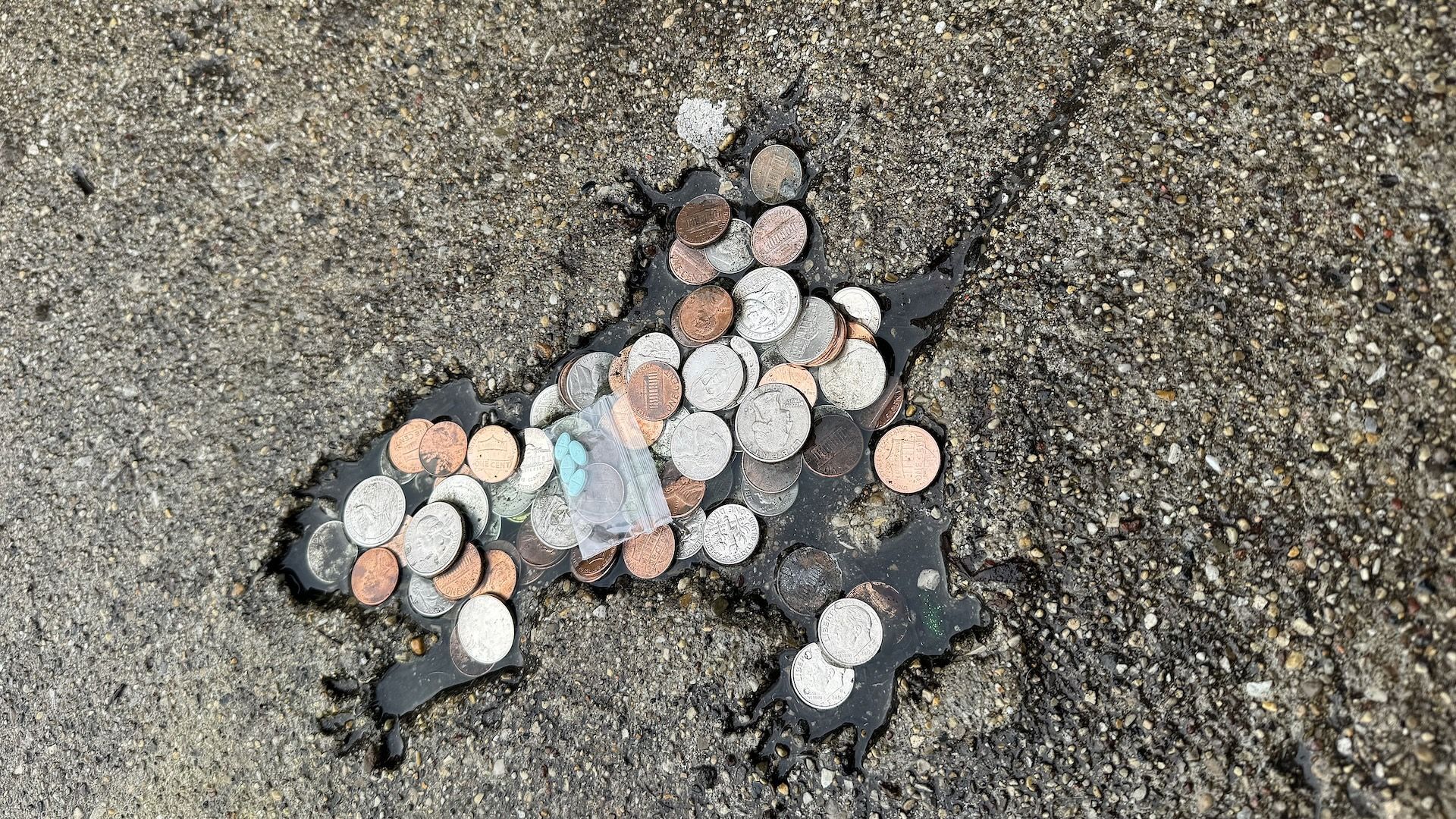
Crucially,the team didn’t have access to the hole itself – it was removed by city officials in April 2024 due to the crowds it attracted to the Roscoe Village neighborhood. Fortunately, the internet provided a wealth of data.Numerous photos posted by enthusiastic visitors included coins and other objects for scale.
The Power of Proportion and Statistical Analysis
Researchers meticulously analyzed these images, comparing the hole’s dimensions to specimens at the American Museum of Natural History. A statistical analysis revealed a compelling conclusion: ther’s a 98.7% probability the hole was created by either an eastern gray squirrel (Sciurus carolinensis) or a fox squirrel (Sciurus niger).
This finding suggests the ”rat hole” was, in reality, a carefully crafted nest-building effort by a local squirrel.
A new name for a Beloved Landmark?
Given the evidence, the researchers propose a more accurate moniker: the “Windy City Sidewalk Squirrel.” This playful renaming reflects the true origins of the beloved indentation.
Why This matters: The Fun in Science
This investigation isn’t just about identifying the animal behind a viral sensation. It’s a demonstration of how accessible and engaging the scientific method can be. As Dickinson explains, “The rat hole might be the medium, but the idea that we’re hoping to perpetuate in this study is… there’s nothing too inherently intricate or scary about following the scientific method. It is something that we can all use in our lives.”
Hear’s what you can take away from this story:
* Observation is key: A simple observation sparked a scientific investigation.
* Citizen science is powerful: Publicly shared data played a crucial role in the analysis.
* Don’t jump to conclusions: Initial assumptions can be misleading.
* The scientific method is for everyone: You don’t need a lab coat to think like a scientist.
This story reminds us that even the most seemingly trivial phenomena can offer valuable insights when approached with curiosity and a commitment to evidence-based reasoning. So, the next time you encounter something intriguing, remember the “Chicago Rat Hole” and consider: what’s the real story?
Worth a look