Chicago Storm Uproots Massive Tree and Disrupts Power and Air Travel
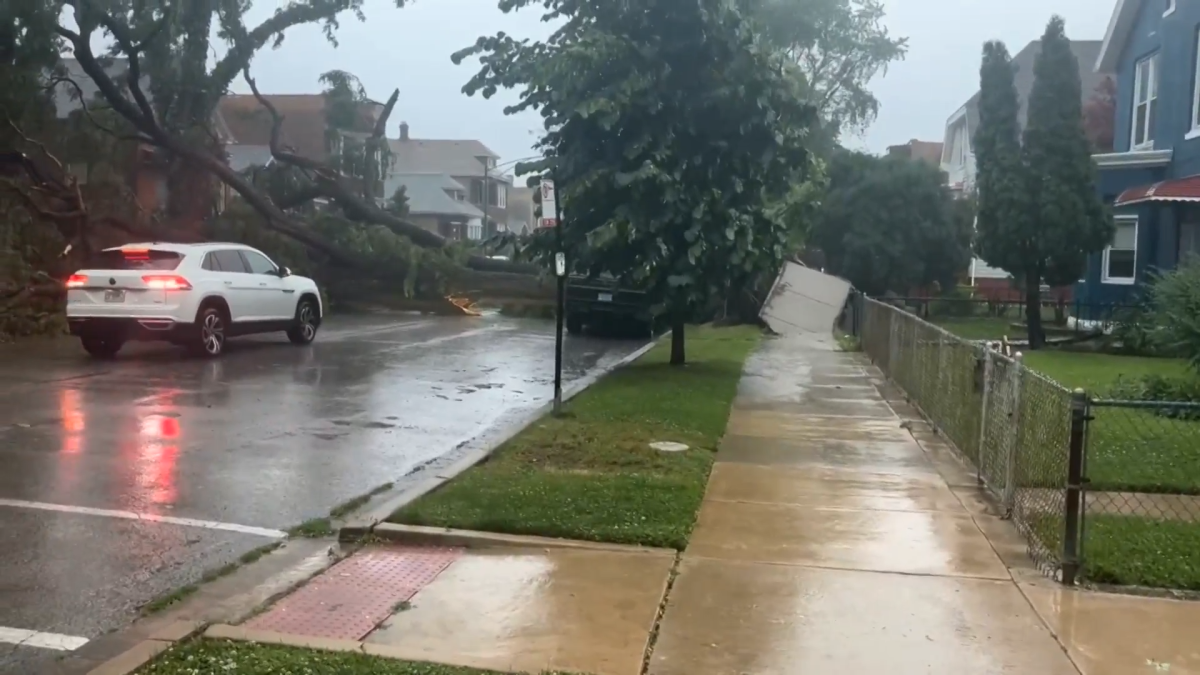
A severe storm in Chicago on Wednesday afternoon caused widespread disruption across the metropolitan area, leaving approximately 290,000 ComEd customers without power and forcing ground stops at both O’Hare and Midway airports. In the McKinley Park neighborhood, a large tree toppled near 35th and South Paulina Avenue, upending a sidewalk and blocking local transit. A severe thunderstorm watch remains in effect for much of the Chicago area until 10 p.m.
Damage in McKinley Park: Tree Uproots Sidewalk
High winds and heavy rainfall caused significant property damage in Chicago’s McKinley Park neighborhood on Wednesday afternoon. Video footage captured the moment a massive tree toppled near the intersection of 35th Street and South Paulina Avenue around 4:15 p.m. The falling tree upended a section of the sidewalk and landed across a nearby street, creating immediate obstructions for local traffic and pedestrians.
The incident in McKinley Park is part of a broader pattern of wind-related damage reported throughout the city and surrounding suburbs. Heavy rainfall accompanied the high winds, resulting in streets covered in tree limbs and organic debris. Local authorities and utility crews have been working to clear the roadway to restore access to the affected area.
Widespread Power Outages Affecting ComEd Customers
The storm’s impact on the regional electrical grid was substantial. According to data released by ComEd, more than 290,000 customers across the Chicago area were without electricity as of 4:50 p.m. on Wednesday. The outages were attributed to the severe weather conditions, which caused trees to fall on power lines and damaged utility infrastructure.
ComEd has not yet provided a definitive timeline for the full restoration of services to all affected households, though utility companies typically prioritize high-density areas and critical infrastructure during storm recovery efforts. Residents in affected zones have been advised to report outages through official company channels and to remain cautious of downed power lines.
Aviation Ground Stops at O’Hare and Midway Airports
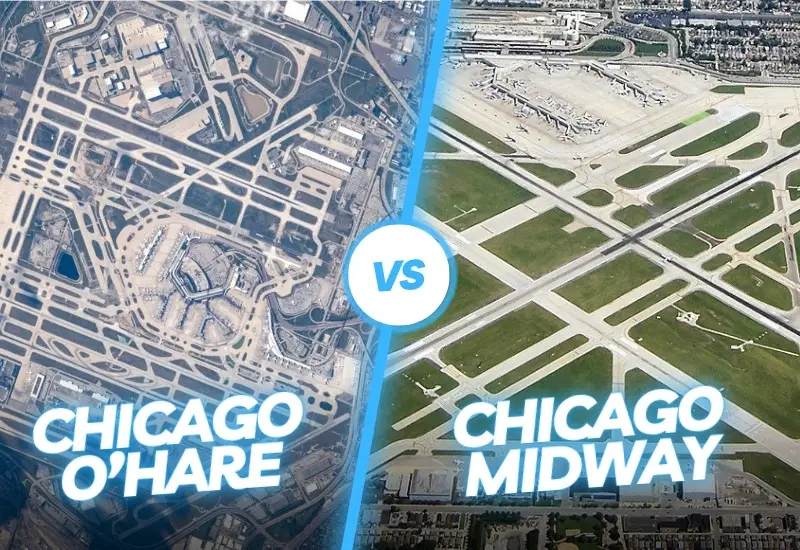
Severe weather conditions forced significant delays in regional air travel on Wednesday afternoon. Aviation officials issued ground stops at both Chicago O’Hare International Airport and Chicago Midway International Airport to ensure safety during the height of the storm.
- O’Hare International Airport: A ground stop was implemented, lasting until at least 5 p.m.
- Midway International Airport: A ground stop was issued, lasting until at least 5:45 p.m.
Ground stops occur when air traffic controllers pause departures and arrivals to prevent aircraft from entering areas with hazardous weather, such as lightning or extreme turbulence. Passengers traveling through Chicago are encouraged to check their flight status directly with their airlines, as ground stops often result in a cascade of delays throughout the afternoon and evening flight schedules.
Severe Weather Impact in Suburbs and Beyond
The storm’s reach extended well beyond the Chicago city limits, impacting several suburban communities. Reports from residents in Hinsdale and Crest Hill indicated large, downed trees blocking residential streets and property access. In Crest Hill, visual evidence showed significant tree damage following the wind gusts.
Meteorologists have kept a severe thunderstorm watch in effect for virtually the entire Chicago metropolitan area through 10 p.m. This watch indicates that conditions are favorable for the development of severe thunderstorms, which may include damaging winds, large hail, or heavy downpours.
Frequently Asked Questions Regarding Storm Safety
What is the difference between a thunderstorm watch and a warning?
A thunderstorm watch means that weather conditions are favorable for severe thunderstorms to develop. Residents should stay alert and be prepared to take action. A thunderstorm warning, by contrast, means that a severe thunderstorm has been sighted or indicated by radar, and immediate action is required to protect life and property.
What should I do if I see a downed power line?
Stay at least 35 feet away from any downed power line and treat every line as if it is energized and dangerous. Call 911 or your local utility provider immediately to report the location of the line.
How can I track power outage updates?
Customers can monitor real-time outage maps and restoration estimates through the official ComEd website or mobile application.
Local authorities and weather services will provide further updates as the storm system moves through the region. Residents should monitor local news and official weather alerts for any changes to the current thunderstorm watch.
Please share this report with anyone traveling in or living near the Chicago area to help spread awareness of current weather disruptions. Leave your comments below if you have updates from your neighborhood.
Worth a look