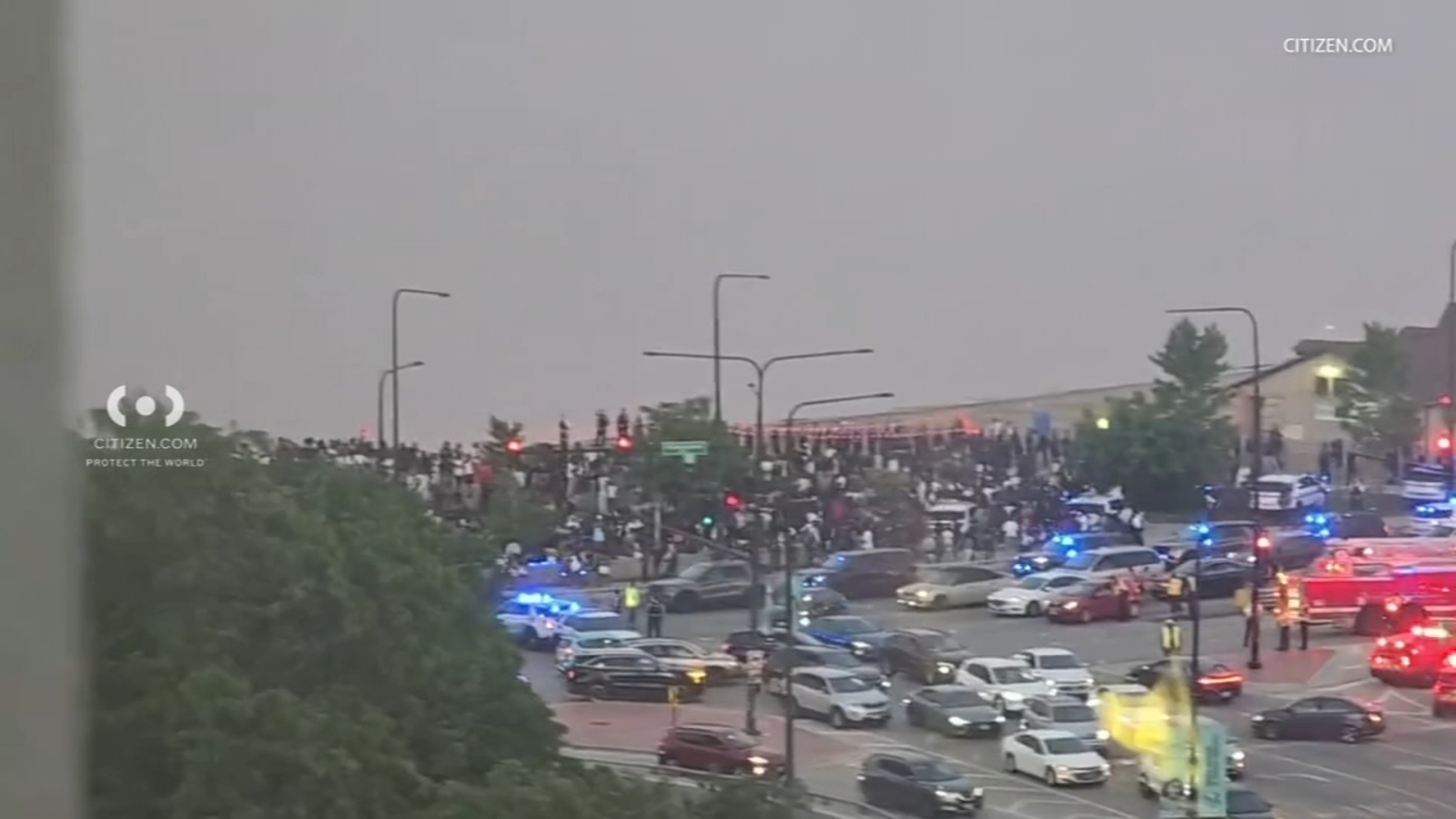
In recent months, Chicago authorities have faced mounting pressure to address the recurring phenomenon of large, unpermitted youth gatherings, frequently referred to by local officials as “teen takeovers.” These events, which have periodically drawn hundreds of young people to public spaces such as the 57th Street Beach and North Avenue Beach, have prompted significant logistical challenges for the Chicago Police Department (CPD) and resulted in temporary disruptions to major transit arteries, including Lake Shore Drive.
The situation has ignited a broader municipal debate regarding public safety, the deployment of city resources, and the appropriate legal framework for managing large-scale gatherings of minors. As the city navigates these incidents, lawmakers and law enforcement leadership are under scrutiny to balance the rights of residents to enjoy public amenities with the necessity of maintaining order and traffic flow across the metropolitan area.
Managing Public Spaces and Transit Disruptions
The impact of these gatherings extends beyond the immediate beach areas, often spilling over into the city’s infrastructure. When crowds grow to a size that local authorities deem unmanageable, police have frequently implemented temporary closures of Lake Shore Drive to ensure public safety and manage the influx of pedestrians and vehicles. For updates on traffic conditions and city-led safety advisories, residents are encouraged to monitor the official City of Chicago portal for real-time information regarding public park access and transit alerts.

These closures are not merely traffic inconveniences; they represent a significant diversion of municipal resources. The Chicago Police Department, led by Superintendent Larry Snelling, has been tasked with developing strategies to prevent these crowds from overwhelming public spaces. The department’s approach involves balancing a visible presence to deter disorderly conduct with the goal of preventing escalation during high-volume periods at city landmarks.
Legislative Responses and Parental Responsibility
The frequency of these incidents has prompted Chicago lawmakers to explore new legislative avenues aimed at curbing the behavior. Among the proposals currently under consideration is the potential for targeting the parents or guardians of minors who are repeatedly involved in these disruptive events. Proponents of such measures argue that increased parental accountability is a necessary tool to deter youth from participating in activities that lead to public disorder.

However, the proposal has sparked significant discussion among legal experts and community advocates regarding the feasibility and fairness of such mandates. The debate centers on the balance between city intervention in family life and the need to maintain public safety in urban centers. As of May 2026, no final legislative action has been enacted that would impose specific penalties on parents for these takeovers, but the discourse remains a primary focus of the City Council’s public safety agenda.
Leadership and Public Safety Oversight
Amidst these ongoing challenges, the Chicago Police Department remains under intense public scrutiny. Superintendent Larry Snelling, who has been at the helm during a period of high-profile public safety discussions, has been forced to address speculation regarding his tenure. Rumors concerning his potential retirement have been a recurring theme in local news, though Snelling has consistently sought to maintain focus on the department’s operational goals, including the management of large crowds and the reduction of violent crime across the city’s neighborhoods.
The stability of the department’s leadership is viewed by many stakeholders as a critical component in the city’s broader efforts to improve public perception and neighborhood safety. With the summer season approaching—a time when public beach attendance historically peaks—the coordination between the CPD, the Chicago Park District, and local community leaders will be tested. The city’s official guidance on beach safety and prohibited activities can be found through the Choose Chicago resource center, which provides information on how to navigate the city’s parks and public attractions during the warmer months.
Looking Ahead: The Path to Resolution
As Chicago looks toward the remainder of the 2026 season, the city is preparing for a series of high-profile cultural events, including the James Beard Awards, which are scheduled to be held at the Lyric Opera on June 15, 2026. The city’s ability to manage public order during these events, while simultaneously handling the complexities of youth-led gatherings, remains a central challenge for the current administration.
The next major checkpoint for these discussions will likely occur during upcoming Chicago City Council committee hearings, where public safety policies and potential ordinances regarding parental accountability are expected to be reviewed. Residents interested in participating in the civic process or learning more about upcoming legislative meetings can visit the city’s official website to view hearing schedules and public testimony opportunities.
We invite our readers to share their perspectives on how the city should approach the management of public spaces and the role of parental responsibility in this ongoing discussion. Your insights are valuable to our continuing coverage of Chicago’s evolving public safety landscape.