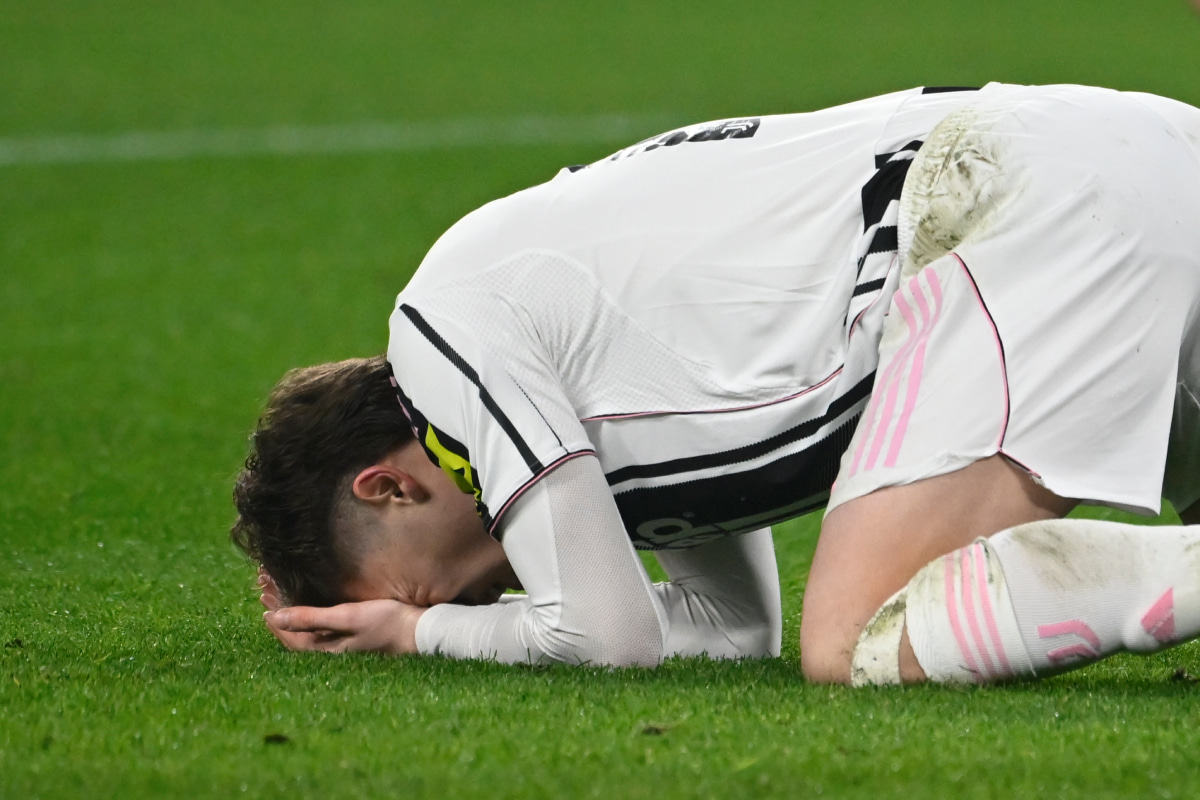
The echoes of disappointment are reverberating through Italian football, extending beyond recent match results to a deeper concern about the competitiveness of Serie A and, crucially, the future strength of the national team. Although club officials like Giorgio Chiellini express pride in their teams’ accomplishments, a growing sense of unease is taking hold as Italian clubs navigate a challenging landscape in European competitions and face mounting financial pressures. The narrative isn’t simply about losing; it’s about a perceived decline in the overall quality and ambition of Italian football, and the consequences that may follow.
The recent Champions League performances of Italian teams have been underwhelming, prompting fierce debate and criticism. Juventus’ recent loss to Inter, marred by what the club deems an “unacceptable” refereeing decision, is just one symptom of a broader malaise. As reported by ESPN, Juventus officials voiced strong objections to officiating, highlighting the frustration boiling over within the league. But the issues run deeper than isolated incidents. The financial health of several Serie A clubs is precarious, impacting their ability to attract and retain top talent, and ultimately hindering their competitiveness on the European stage.
Serie A’s Financial Woes and the Impact on Talent
Juventus, a historically dominant force in Italian football, is a prime example of the financial challenges facing Serie A. According to Football Italia, the club is projecting a loss for the 2024-25 season, a situation not unique to Juventus. These financial constraints limit investment in players, forcing clubs to either develop youth talent – a long-term strategy – or rely on loan deals and free transfers, which often result in a lower overall quality of squad.
The outflow of top players from Serie A to leagues like the English Premier League and La Liga is a direct consequence of these financial disparities. Players are naturally drawn to leagues where they can earn higher wages and compete at the highest level consistently. This brain drain weakens the overall quality of Serie A, creating a vicious cycle where the league becomes less attractive to both players and investors. The lack of consistent Champions League success further exacerbates this problem, reducing revenue streams for Italian clubs and hindering their ability to compete financially with their European counterparts.
The Ripple Effect on the Italian National Team
The decline in the quality of Serie A has a direct and concerning impact on the Italian national team. Historically, the *Azzurri* have drawn the vast majority of their players from the top Italian clubs. If those clubs are struggling to compete and develop world-class talent, the national team inevitably suffers. The recent performance of the Italian national team, failing to qualify for the 2022 World Cup, served as a stark wake-up call. While Roberto Mancini’s departure and Luciano Spalletti’s appointment as head coach represent attempts to revitalize the squad, the underlying issues within Serie A remain a significant obstacle.
A weaker domestic league means fewer Italian players are gaining experience competing against the best in Europe on a regular basis. This lack of exposure can hinder their development and make it more difficult for them to perform at the international level. The financial struggles of Italian clubs can limit their ability to invest in youth academies, hindering the development of the next generation of Italian talent. The long-term consequences of this trend could be a sustained period of underperformance for the Italian national team, a prospect that is deeply concerning for Italian football fans.
Discipline and Off-Field Issues
Beyond financial and competitive concerns, disciplinary issues and off-field behavior are similarly contributing to the negative perception of Italian football. The case of Luis Suarez, while not directly related to Serie A currently, serves as a reminder of the potential for disruptive behavior from high-profile players. As highlighted by Sportstar, Suarez’s history of suspensions underscores the importance of discipline and professionalism within the sport. While this specific instance involves a player currently in MLS, it reflects a broader concern about maintaining high standards of conduct both on and off the field.
Incidents of racism, violence, and poor sportsmanship continue to plague Italian football, damaging its reputation and deterring potential investors and fans. Addressing these issues requires a concerted effort from clubs, league officials, and governing bodies to promote a culture of respect and fair play. Stronger sanctions for misconduct and increased investment in education and awareness programs are essential steps in tackling these problems.
Looking Ahead: What Needs to Change?
Reversing the current trajectory of Italian football requires a multifaceted approach. Increased financial investment in Serie A is crucial, whether through attracting new ownership groups or securing more lucrative broadcasting deals. Clubs must prioritize youth development and invest in state-of-the-art training facilities to nurture the next generation of Italian talent. The league needs to address the disciplinary issues that are tarnishing its reputation and deterring potential investors.
A more sustainable financial model is also needed, one that prioritizes long-term stability over short-term gains. Financial Fair Play regulations must be strictly enforced to prevent clubs from overspending and accumulating unsustainable levels of debt. Greater transparency and accountability are also essential to ensure that clubs are operating responsibly and ethically.
The future of Italian football hangs in the balance. Addressing these challenges requires a collective effort from all stakeholders – clubs, players, officials, and fans – to restore the league’s competitiveness and ensure the continued success of the Italian national team. The current situation demands a fundamental shift in mindset, one that prioritizes long-term sustainability, youth development, and a commitment to fair play. The next few years will be critical in determining whether Italian football can reclaim its place among the elite leagues in Europe.
The upcoming Serie A season will be a crucial test. The performance of Italian clubs in European competitions will be closely scrutinized, and the development of young Italian players will be a key indicator of the league’s long-term health. Fans and observers alike will be watching closely to see if Serie A can turn the tide and start to rebuild its reputation as a breeding ground for world-class talent.
What are your thoughts on the state of Serie A? Share your opinions in the comments below, and don’t forget to share this article with your fellow football fans.
Related reading