
Health authorities in French Guiana are monitoring a significant surge in chikungunya cases, specifically within the Savanes region. The viral disease, transmitted primarily through the bite of infected Aedes aegypti mosquitoes, has prompted local public health agencies to increase surveillance and vector control efforts to mitigate the spread of the outbreak. According to the Santé Publique France regional office, chikungunya remains a persistent public health challenge in tropical territories, requiring both community-level sanitation and individual protection measures to curb transmission.
Understanding the Chikungunya Outbreak
Chikungunya is a viral illness characterized by the sudden onset of fever and severe joint pain, often accompanied by muscle pain, headache, nausea, fatigue, and rash. While the illness is rarely fatal, the joint pain can be debilitating and may persist for weeks or even months after the initial infection. Public health officials in French Guiana emphasize that the virus circulates periodically in the region, often following favorable weather conditions for mosquito breeding, such as heavy rainfall which creates stagnant water pools.
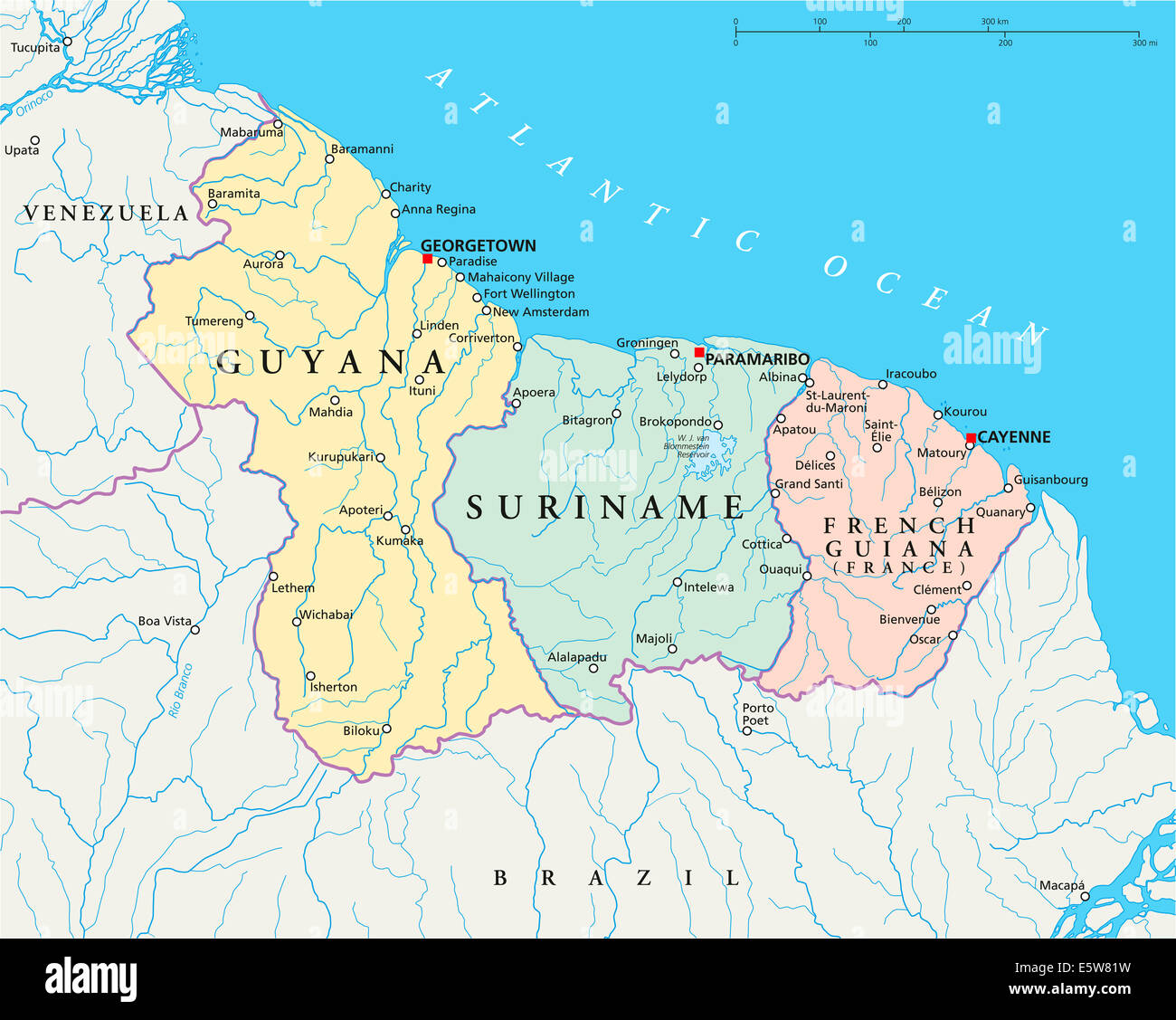
The Savanes area has reported a concentrated increase in cases, signaling an active transmission cycle. Epidemiologists from l’Agence Régionale de Santé (ARS) de Guyane suggest that the current uptick is consistent with seasonal patterns observed in previous years. Because there is no specific antiviral treatment for chikungunya, clinical management focuses on relieving symptoms through rest, fluid intake, and the use of over-the-counter pain relievers, provided that aspirin and other non-steroidal anti-inflammatory drugs are avoided until dengue fever has been ruled out to prevent bleeding complications.
Public Health Response and Vector Control
The primary strategy for controlling the Savanes outbreak involves aggressive vector control. The ARS, in coordination with local municipal services, is conducting awareness campaigns to encourage residents to eliminate potential mosquito breeding sites around their homes. These sites typically include flowerpot saucers, discarded tires, clogged gutters, and any container that can hold even small amounts of standing water.

According to the World Health Organization (WHO), effective prevention relies heavily on integrated vector management. This includes the use of chemical insecticides during outbreaks, the application of larvicides to water storage containers, and the promotion of personal protective measures. Residents are advised to wear long-sleeved clothing, use insect repellent containing DEET or IR3535, and ensure that window screens are in good repair to prevent mosquitoes from entering living spaces.
Who Is Most at Risk?
While individuals of all ages can contract the virus, certain groups face a higher risk of severe symptoms or complications. Infants, the elderly, and individuals with underlying chronic medical conditions—such as diabetes, hypertension, or cardiovascular disease—are more susceptible to the severe manifestations of the disease. Health practitioners in French Guiana are currently prioritizing the monitoring of these vulnerable populations to ensure they receive timely medical support if symptoms appear.

The diagnostic process typically involves blood tests, such as RT-PCR or serological assays, to confirm the presence of the virus. Because the clinical presentation of chikungunya overlaps significantly with other mosquito-borne diseases like dengue and Zika, laboratory confirmation is essential for accurate clinical management. The Institut Pasteur de la Guyane plays a critical role in this surveillance effort, providing the necessary diagnostic support to help health authorities map the geographical spread of the virus in real-time.
Preventive Measures for Residents
To reduce the likelihood of further transmission, local health departments have issued a series of recommendations for those living in or traveling to the affected Savanes region. The focus remains on “breaking the cycle” of mosquito reproduction. By reducing the density of the Aedes aegypti population, the rate of viral transmission to humans decreases proportionally.

- Inspect outdoor areas at least once a week to empty, scrub, or cover any items that hold water.
- Use air conditioning or well-fitted window and door screens to keep mosquitoes out of the home.
- Apply EPA-registered insect repellents to exposed skin, especially during peak mosquito activity hours in the early morning and late afternoon.
- Consult a healthcare provider immediately if high fever and severe joint pain develop, and inform them of any travel history or known local outbreaks.
As of the most recent regional health bulletin, authorities have not announced any changes to travel restrictions, but they continue to urge vigilance. Residents are encouraged to monitor the official ARS Guyane website for updated epidemiological data and specific instructions regarding community clean-up initiatives. The situation remains fluid, and the effectiveness of current control measures will be evaluated in the coming weeks as new case reports are processed by the regional surveillance network.
Related reading