
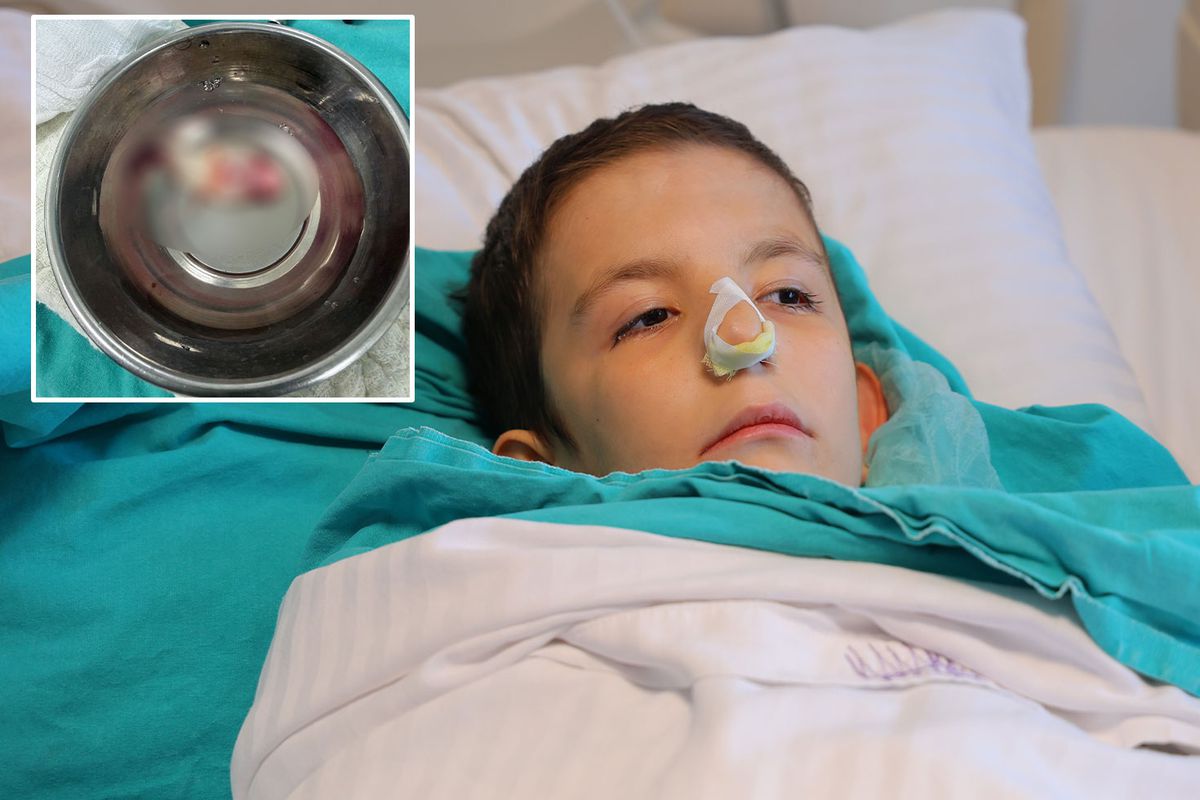
When a 12-year-old boy in Kahramanmaraş, Turkey, sought medical assist for persistent nasal congestion and hearing difficulties, doctors discovered an unexpected cause: a large antrochoanal polyp growing from his sinus cavity into his nasopharynx. The case, reported in late April 2026, highlights how seemingly common symptoms can mask significant underlying conditions requiring specialized intervention.
The boy, identified as Halil İbrahim Eliaçık, initially presented with complaints of nasal blockage and reduced hearing in his ear. Suspecting adenoid enlargement, physicians conducted an endoscopic examination that revealed a substantial mass extending from the sinus through the nasal passage and into the nasopharynx. Specialists classified the growth as an antrochoanal polyp, a benign but potentially obstructive lesion often associated with chronic inflammation from allergies or sinusitis.
Due to the polyp’s size and location, surgical removal via the oral route was necessary. Dr. Faruk Atlı, an ear, nose, and throat specialist at Sular Academy Hospital, explained that the polyp’s extensive growth prevented extraction through the nasal cavity, necessitating an intraoral approach. The procedure involved removing the polyp at its root to minimize recurrence risk, followed by postoperative packing and a planned course of long-term allergy management to address contributing factors.
Antrochoanal polyps, while uncommon in children, account for a notable proportion of nasal polyps in pediatric populations. These unilateral lesions typically originate in the maxillary sinus and extend through the choana into the nasopharynx, often presenting with unilateral nasal obstruction, rhinorrhea, or, as in this case, conductive hearing loss due to eustachian tube dysfunction. Their development is frequently linked to inflammatory conditions such as allergic rhinitis or chronic sinusitis, though idiopathic cases occur.
Surgical excision remains the definitive treatment, with endoscopic techniques increasingly favored for reduced morbidity. Recurrence rates vary but can be significant without addressing underlying inflammatory triggers, underscoring the importance of postoperative medical management including intranasal corticosteroids and allergy control. In this instance, the medical team emphasized long-term allergy therapy to mitigate future polyp formation.
The successful outcome resolved the boy’s symptoms, restoring nasal airflow and hearing function. His case serves as a reminder that persistent unilateral nasal symptoms in children warrant thorough evaluation beyond initial assumptions of adenoid hypertrophy or allergic rhinitis. Early diagnosis and appropriate surgical intervention, combined with targeted medical follow-up, can prevent complications such as facial skeletal changes, sleep-disordered breathing, or chronic otitis media associated with prolonged obstruction.
Healthcare providers in regions with high allergen exposure or prevalent sinus disease should maintain awareness of antrochoanal polyps in the differential diagnosis of pediatric nasal obstruction. Public awareness of red flags—such as unilateral symptoms, resistance to standard allergy treatment, or associated hearing changes—can facilitate timely specialist referral.
As of the latest reports, the patient is recovering well with no immediate signs of recurrence. The medical team continues to monitor his recovery and adherence to preventive allergy management strategies. For families navigating similar symptoms, consulting an otolaryngologist for endoscopic evaluation remains a critical step when conservative measures fail to resolve persistent nasal or auditory concerns.
This case underscores the value of meticulous diagnostic workup in pediatric otolaryngology, where common presentations can occasionally reveal less frequent but surgically addressable pathologies. By combining clinical vigilance with access to advanced imaging and endoscopic tools, healthcare systems can ensure timely intervention for conditions that, while rare, significantly impact quality of life when left untreated.