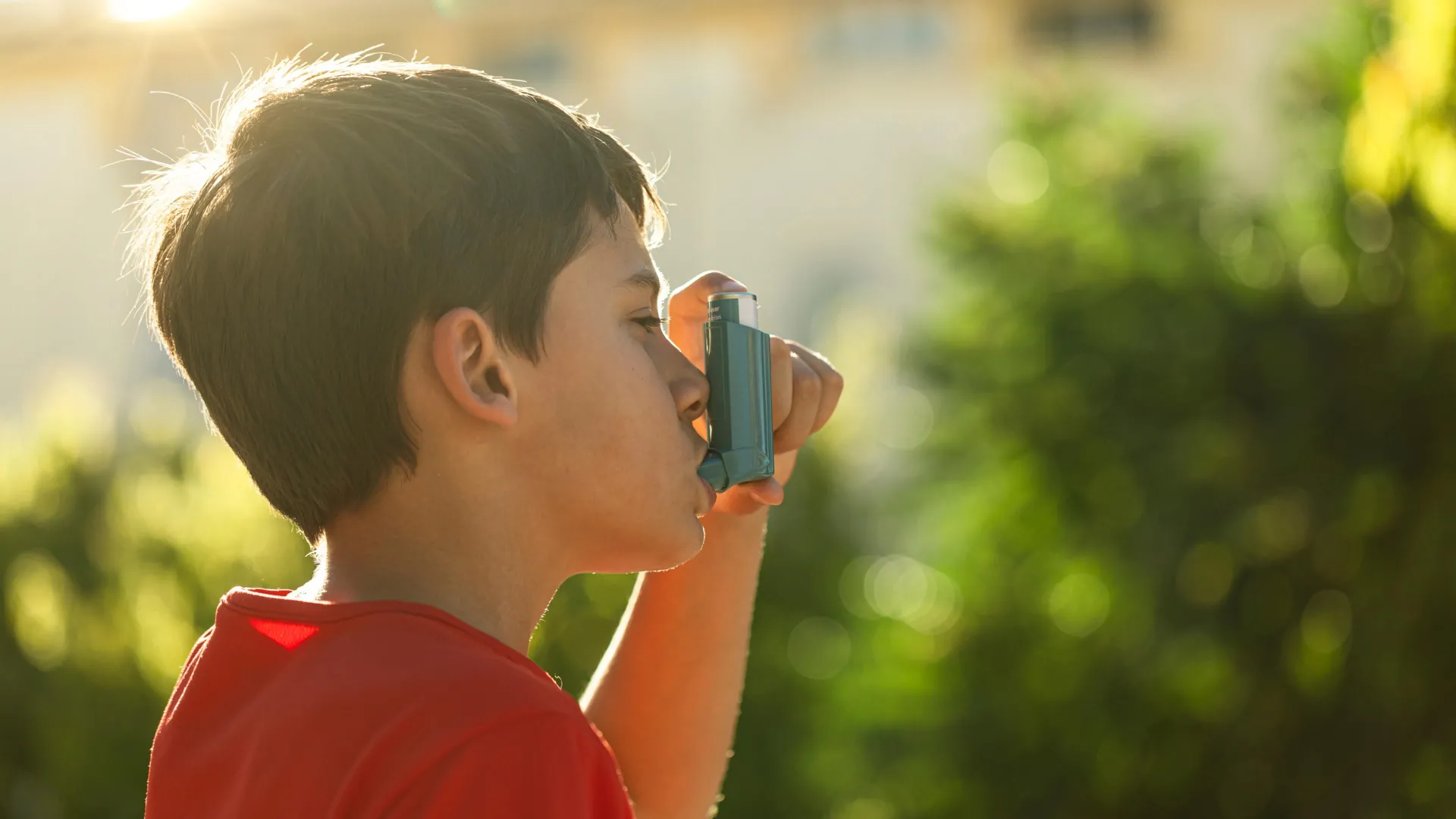
Landmark Study Demonstrates 2-in-1 Inhaler substantially Reduces Asthma Attacks in Children, Poised to Transform Global Treatment
asthma affects an estimated 113 million children and adolescents worldwide, representing a important global health challenge. Now, a groundbreaking new study, the CARE study, offers a potential paradigm shift in how we manage this condition in young patients. Published recently, the research demonstrates that a combined inhaled corticosteroid (ICS)-formoterol inhaler dramatically reduces the rate of asthma attacks in children as young as five, mirroring the benefits already established in adult populations. This finding has the potential to reshape asthma treatment guidelines globally and improve the lives of millions.
Building on Decades of Respiratory Research & Expertise
This pivotal study isn’t occurring in a vacuum. it builds directly upon decades of rigorous research led by researchers at the Medical Research Institute of New Zealand (MRINZ). Their previous work in adults fundamentally altered international asthma treatment protocols, leading to the widespread recommendation of ICS-formoterol as the preferred reliever inhaler for adults. This established foundation of scientific rigor lends significant weight to the CARE study’s conclusions.
The CARE Study: A Game-Changer for Pediatric Asthma Management
The CARE study is the first randomized controlled trial directly comparing ICS-formoterol to the traditional salbutamol reliever inhaler in children aged five to fifteen. the results are compelling: children treated with budesonide-formoterol experienced a 45% reduction in asthma attacks compared to those receiving salbutamol (0.23 vs 0.41 attacks per participant per year; relative rate 0.55, 95% CI 0.35-0.86, p=0.01).
This isn’t simply about symptom relief. Traditional “rescue” inhalers like salbutamol only address the immediate symptoms of an asthma attack. ICS-formoterol, however, tackles the underlying inflammation driving the condition, preventing attacks from occurring in the first place. As Professor Helen Reddel, Chair of the Science Committee of the Global Initiative for Asthma (GINA), emphasizes, preventing attacks is a “high priority for asthma care” and has a profound impact on a child’s physical, social, and emotional progress.
Addressing a Critical gap in Global Asthma Care
The implications of this research extend far beyond the laboratory. Global health organizations have long recognized the need for targeted asthma interventions for children. The CARE study provides the robust evidence needed to support these efforts and perhaps reduce disparities in care, ensuring more children have access to effective, evidence-based treatments.
“It is in childhood, too, that lifelong habits are established,” notes Professor Reddel, highlighting the importance of moving away from reliance on solely symptom-relieving medications like salbutamol.
Acknowledging Limitations & Ensuring Real-World Applicability
The study authors are transparent about potential limitations. The research was conducted during the COVID-19 pandemic, a period characterized by public health measures and reduced circulation of respiratory viruses, which may have contributed to a lower-than-expected rate of severe asthma attacks. Furthermore, challenges in accurately identifying asthma attacks in children and the lack of blinding in the treatment randomization are acknowledged.
however, the researchers confidently assert that the study’s pragmatic, real-world design enhances its generalizability to clinical practice.
Expert Perspectives & Future Directions
Leading respiratory experts are eager about the findings. Professor Andrew bush, a senior respiratory pediatrician at Imperial College London and co-author of the study, states, “Having an asthma attack can be very scary for children and their parents. I’m so pleased that we’ve been able to prove that an inhaler that significantly reduces attacks – already a game-changer for adults – is safe for children with mild asthma too.” He anticipates this will “transform asthma care worldwide.”
Professor Bob Hancox, Medical Director of the New Zealand Asthma and Respiratory Foundation, adds, “This research shows that this 2-in-1 inhaler is effective and safe for children as young as 5. This details will help to reduce the burden of asthma for many children, and both they and their families will breathe easier because of it.”
The research team is already building on this success with the CARE UK study, further solidifying the evidence base and paving the way for widespread adoption of this improved treatment strategy.
key Takeaways from the CARE Study:
* First-of-its-kind trial: The first randomized controlled trial comparing ICS-formoterol to salbutamol in children aged 5-15.
* significant Attack Reduction: 45% reduction in asthma attacks with budesonide-formoterol.
* Safety Profile: No adverse effects on growth or lung function were observed.
Keep reading