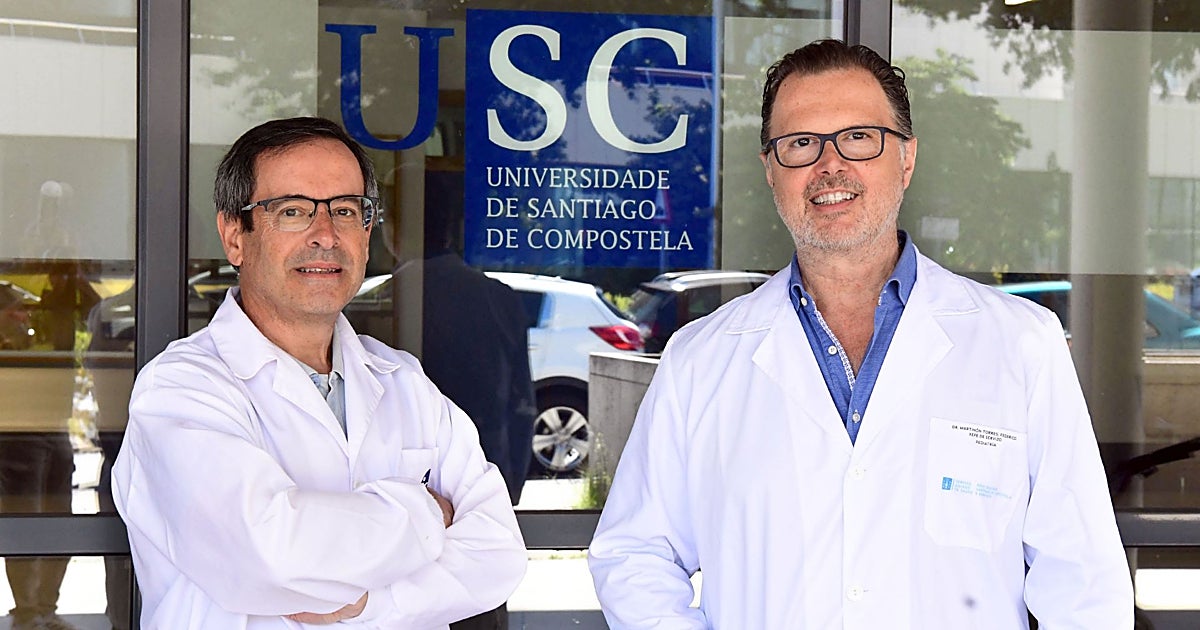
This study suggests that specific genetic predispositions which make children more susceptible to rotavirus may inadvertently provide a protective effect against certain digestive tract malignancies in adulthood.
By analyzing the interaction between common viral pathogens and the human genome, the team in Galicia is opening a new window into how our earliest environmental exposures shape our lifelong vulnerability to disease.
Understanding the Genetic Connection to Rotavirus
Rotavirus is a leading cause of severe diarrhea in infants globally, and while vaccines have significantly reduced its impact, the virus remains a ubiquitous part of early childhood development.
The scientists observed that the genetic variants associated with higher susceptibility to rotavirus infection in infancy appear to be less prevalent in patients diagnosed with certain types of digestive cancers.
Implications for Gastrointestinal Oncology
Gastrointestinal cancers, including those of the stomach and colon, remain significant public health challenges.
The Role of Early Life Exposures
The USC and IDIS researchers are currently working to expand their dataset to confirm these preliminary findings across larger, more diverse populations. While the initial results are promising, it is important to emphasize that this is ongoing research.
Next Steps in Clinical Research
As we continue to monitor this development, it serves as a reminder of the importance of pediatric health research in understanding adult-onset diseases. We encourage our readers to stay informed through official updates from the USC research news portal as new data becomes available. If you found this analysis helpful, please feel free to share this article or join the conversation in the comments section below.
Keep reading