Understanding Childhood Vaccination Trends in the U.S.
Vaccination is a cornerstone of public health, protecting individuals and communities from preventable diseases. Though, vaccination rates can vary considerably across the country, impacting overall protection. Recent shifts in state policies regarding vaccine requirements for school children are contributing to this patchwork of immunity. Some states are reinforcing access to vaccines and maintaining alignment with federal recommendations. Conversely, others are expanding exemptions, perhaps creating vulnerabilities.
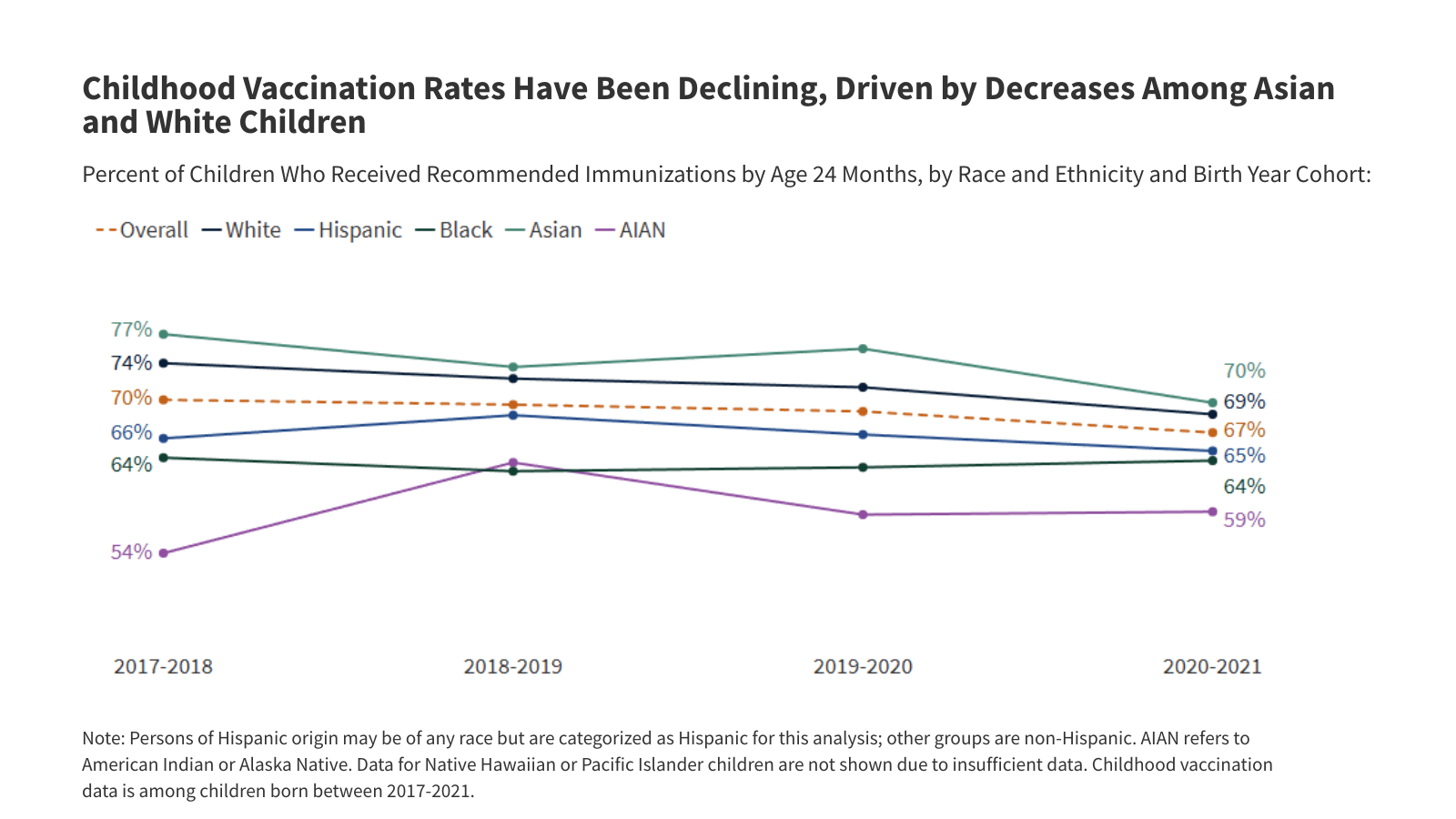
This variation in state approaches can lead to uneven levels of protection, increasing the risk of disease outbreaks in certain areas and weakening the nation’s collective immunity.Let’s take a closer look at the data and what it reveals about childhood and flu vaccination trends.
How We Analyzed the Data
To understand these trends, we examined data from the Centers for Disease Control and Prevention (CDC) spanning several years. Here’s a breakdown of the data sources and timeframes used:
* Childhood Vaccination & MMR: Data from the CDC’s Morbidity and Mortality Weekly Report (MMWR) was analyzed from 2017-2021, as well as specific reports from 2018-2019, 2019-2020, and 2020-2021.
* Combined 7-Vaccine Series: We measured coverage of recommended vaccinations for children under 24 months using a combined series. This includes at least four doses of DTaP, three doses of poliovirus vaccine, one dose of measles-containing vaccine, a complete hib vaccine series (three or four doses depending on the product), three doses of Hep B, one dose of varicella vaccine, and four doses of PCV.
* flu Vaccination: CDC’s Flu Vaccination Coverage Report data was used, covering the seasons from 2017-2018 through 2023-2024.
* Annual Estimates: We focused on the CDC’s annual final estimates for flu vaccination coverage.
What Dose the Data Tell Us?
Analyzing this data allows us to identify trends in vaccination coverage and understand how these trends might be influenced by changing state policies.You might be wondering why tracking these rates is so importent. It’s simple: consistent, high vaccination rates are crucial for protecting your family and your community.
understanding these trends empowers you to make informed decisions about your health and the health of those around you. As we continue to monitor these rates, we can better address potential vulnerabilities and strengthen our nation’s defenses against preventable diseases.
Related reading