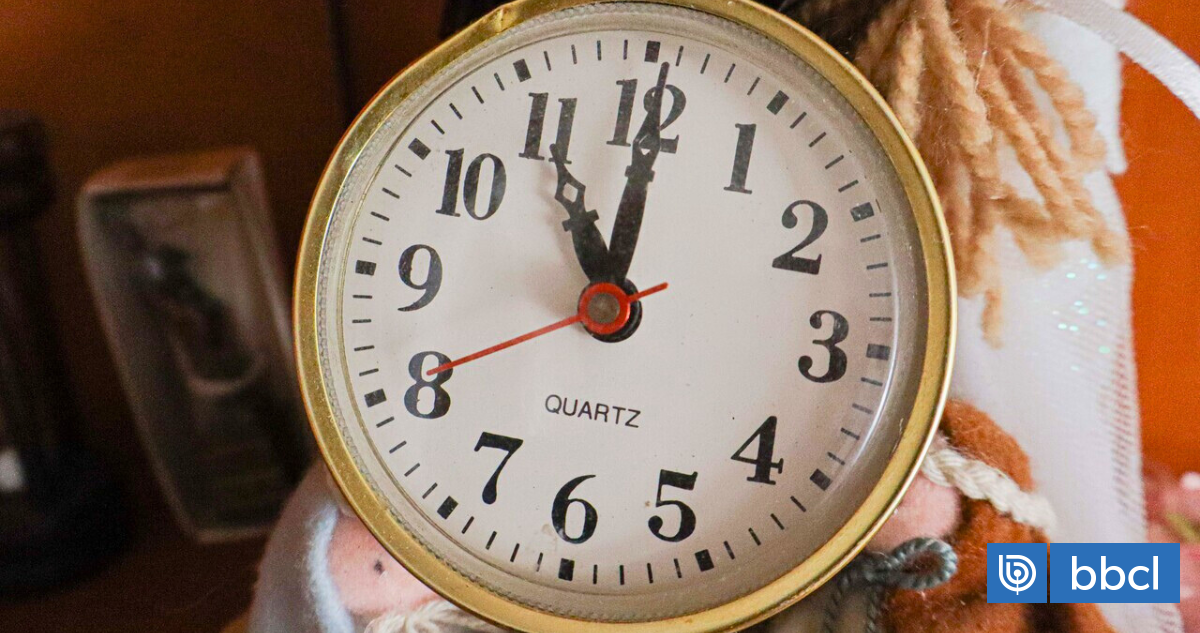
Chile to Turn Back the Clocks: Date Set for Finish of Daylight Saving Time
Santiago – Chilean residents will be gaining an hour of sleep on Saturday, April 4, 2026, as the country reverts to Standard Time. The official end to daylight saving time, known locally as *horario de verano*, was confirmed by the Chilean government, marking a shift back to the winter schedule. This annual adjustment aims to make better use of daylight hours during the autumn and winter months, though its continued practice remains a topic of debate within the country.
The change will occur at midnight on April 4th, meaning clocks will be turned back 60 minutes, effectively making it 23:00 hours again. This affects nearly all of Chile, with one notable exception: the Magallanes and Chilean Antarctic Region, which will maintain its current time schedule. The decision to exempt this southern region reflects its unique geographical location and differing daylight patterns. The change is coordinated under the direction of the Ministry of Energy, ensuring a nationwide, synchronized transition.
Understanding the Rationale Behind the Time Change
The practice of adjusting clocks twice a year in Chile has been in place for decades, initially intended to conserve energy. However, modern studies have yielded mixed results regarding the actual energy savings achieved through daylight saving time. Proponents argue that it boosts economic activity by extending daylight hours for leisure and commerce, while opponents point to potential disruptions to sleep patterns and overall health. The debate continues, with periodic calls for the abolition of the practice altogether.
This year’s change comes after a summer season characterized by extended daylight. As autumn approaches, the shift to Standard Time is intended to align daily routines with the changing climate and reduced sunlight. The government emphasizes the importance of being prepared for the time change to avoid disruptions to personal and professional commitments. The official announcement, made on February 24, 2026, aims to provide ample notice for citizens to adjust their schedules and devices.
Regional Variations and Exemptions
As previously noted, the Magallanes and Chilean Antarctic Region is exempt from the time change. This is due to the region’s extreme southern latitude, where daylight hours vary significantly throughout the year. Maintaining a consistent time schedule in this area avoids further complications related to already long periods of darkness during the winter months. The decision to exclude this region underscores the need for a nuanced approach to timekeeping that considers regional specificities.
The rest of the country will uniformly observe the time change, impacting everything from transportation schedules to television programming. Businesses and public institutions are expected to adjust their operations accordingly. Individuals are advised to check their clocks and devices to ensure they are accurately reflecting the new time.
Impact on Daily Life and Key Sectors
The time change will have a ripple effect across various sectors of Chilean society. Transportation services, including airlines and public transit, will need to adjust their schedules to accommodate the new time. Television and radio broadcasters will also modify their programming accordingly. Businesses may experience temporary disruptions as employees adjust to the new schedule, but the overall impact is generally considered manageable.
For individuals, the extra hour of sleep can be a welcome benefit, particularly for those who struggle with the transition to daylight saving time in the spring. However, it’s also important to be mindful of potential disruptions to sleep patterns and to capture steps to adjust gradually. Experts recommend maintaining a consistent sleep schedule and avoiding excessive caffeine or alcohol consumption in the days leading up to the time change.
Looking Ahead: Future Discussions on Timekeeping
While the time change on April 4th is confirmed, the long-term future of daylight saving time in Chile remains uncertain. There have been ongoing discussions about potentially abolishing the practice altogether, aligning with a growing trend in other countries. Arguments in favor of abolishing the time change include the potential for improved health and well-being, reduced energy consumption, and simplified scheduling. However, any decision to abolish daylight saving time would require careful consideration of the potential economic and social impacts.
The government has not yet announced any plans to revisit the issue in the near future, but the debate is likely to continue. As more research emerges on the effects of daylight saving time, policymakers may be prompted to reconsider the current practice. For now, Chileans can prepare to turn back their clocks and enjoy the extra hour of sleep on April 4th, 2026.
The next key date to watch is the ongoing monitoring of the time change’s impact, with the Ministry of Energy expected to release a report on its effects in late 2026. Stay informed about future developments by following official government channels and reputable news sources. We encourage readers to share their thoughts and experiences with the time change in the comments below.
Related reading