Chile’s Diplomatic Shifts: ADICA Criticizes Political Appointments as Kast Names New Ambassadors
London, UK — May 26, 2026
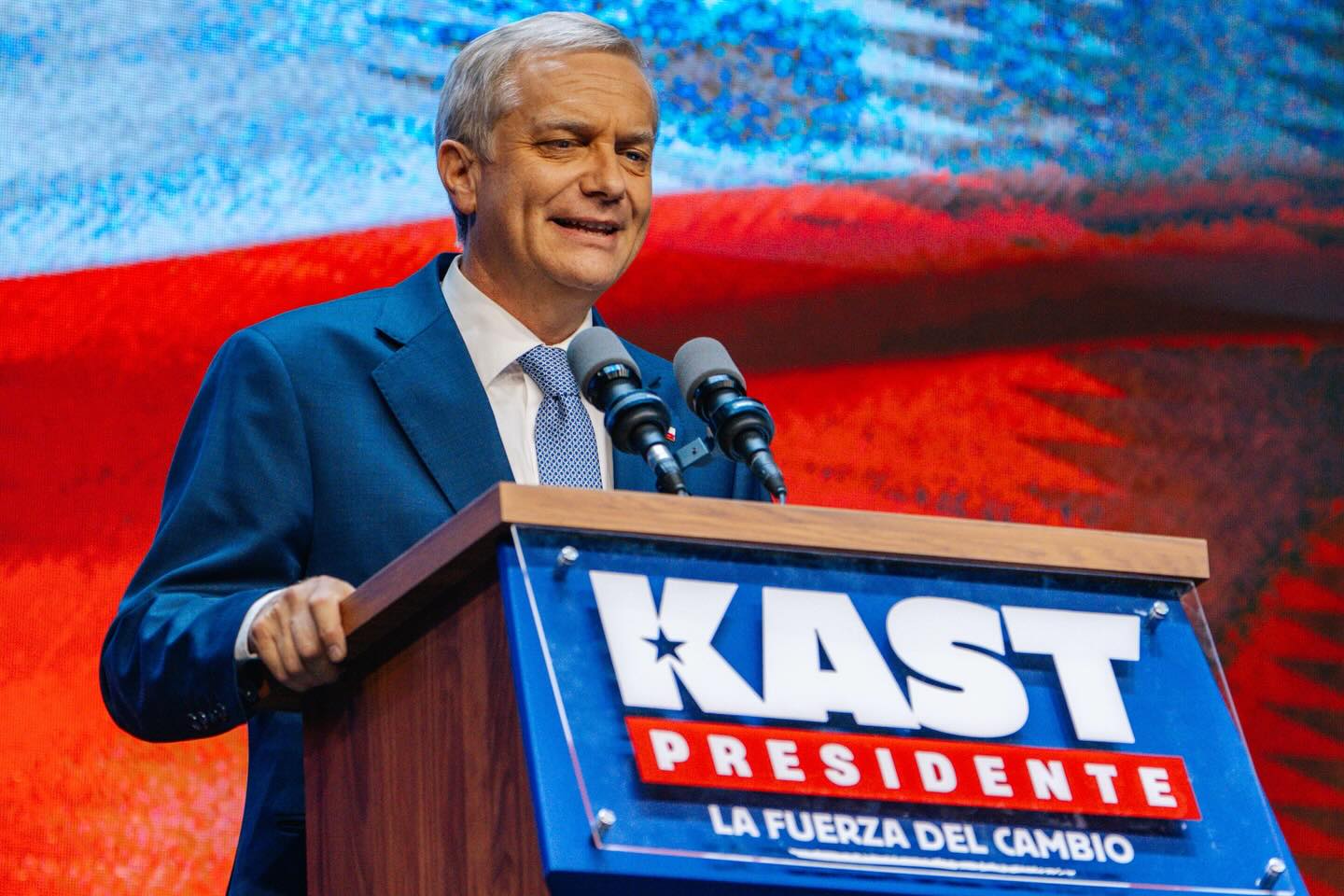
Chile’s diplomatic landscape is undergoing significant transformation as President José Antonio Kast announces a new wave of ambassadorial appointments, primarily drawn from political figures rather than career diplomats. The move has sparked criticism from organizations like ADICA, which argues that Chile possesses a pool of highly qualified career diplomats capable of representing the country’s interests abroad. The appointments, which include former senators and political allies, have raised questions about the balance between political influence and professional expertise in Chile’s foreign service.
According to verified reports, the new diplomatic appointments include individuals with political backgrounds, a trend that contrasts with traditional practices of selecting career diplomats based on their experience and expertise in international relations. The Association of Chilean Diplomats (ADICA) has publicly expressed concerns, emphasizing that Chile has a robust corps of professional diplomats who could effectively serve in these critical roles.
This development comes at a time when Chile’s foreign policy is navigating complex global relationships, particularly in key markets like China, Mexico, and Europe. The appointments have been met with mixed reactions, with some political analysts suggesting they reflect Kast’s administration’s priorities, while others warn of potential risks to Chile’s diplomatic standing.
The new ambassadorial appointments include:
- Former Senator Jorge Tarud (ex-PPD), who has been named to a high-profile diplomatic post
- Former Senators Yasna Provoste and Ximena Rincón, both of whom have been appointed to key diplomatic roles
- Additional political figures who have been assigned to embassies in strategic locations including China, Mexico, Spain, Sweden, and Belgium
While the exact details of each appointment have not been fully verified in primary sources, the pattern of selecting political figures over career diplomats is consistent across multiple reports. The Chilean Ministry of Foreign Affairs has not yet provided a comprehensive statement on the rationale behind these appointments, though some officials have suggested they aim to bring fresh perspectives to Chile’s diplomatic corps.
ADICA’s Stance: Professionalism Over Politics
ADICA, the Association of Chilean Diplomats, has been vocal in its criticism of the political appointments. In a statement, the organization emphasized that Chile’s diplomatic service includes highly qualified professionals with extensive experience in international relations, trade negotiations, and cultural diplomacy. The concern is that political appointments may undermine the continuity and expertise that career diplomats bring to these roles.
“Chile has a long tradition of producing highly skilled diplomats who are capable of representing our country with distinction. The decision to appoint political figures to these critical roles risks disrupting the professionalism and continuity that our diplomatic service is known for.”
The criticism comes amid broader debates in Chile about the role of political appointments in public service. Similar discussions have occurred in other countries, where career civil servants and diplomats have raised concerns about the politicization of key positions. In Chile’s case, the appointments have particular significance given the country’s complex relationships with major global powers and its role in regional diplomacy.
Why This Matters: Chile’s Diplomatic Priorities
Chile’s foreign policy is shaped by its strategic location in South America, its historical ties to Europe, and its growing economic relationships with Asia. The country’s diplomatic corps plays a crucial role in maintaining these relationships, particularly in areas such as trade, investment, and cultural exchange. The recent appointments have led to speculation about whether Chile’s diplomatic priorities will shift under Kast’s administration.
For example, Chile’s relationship with China has been a point of focus in recent years, particularly regarding trade agreements and lithium exports. Similarly, Chile’s ties to Mexico and the European Union are critical for economic and political stability in the region. The new ambassadors will need to navigate these relationships with sensitivity, given the global economic and political challenges facing these regions.
Chile’s diplomatic appointments often reflect broader political dynamics within the country. Kast’s administration has been characterized by a focus on conservative policies, and the ambassadorial appointments may be seen as an extension of this approach. However, the long-term impact of these appointments on Chile’s diplomatic effectiveness remains to be seen.
Who Is Affected and How?
The diplomatic appointments have several key stakeholders:
- Career Diplomats: Many career diplomats may feel sidelined by the political appointments, particularly if they had been considered for these roles. ADICA’s criticism reflects concerns that political appointments could lead to a brain drain of experienced professionals.
- Political Figures: The appointed ambassadors bring political capital and connections that could be beneficial in certain diplomatic contexts, particularly in countries where political relationships are prioritized.
- Chilean Businesses: Companies engaged in international trade may be particularly interested in the new ambassadors’ ability to facilitate business deals and navigate complex regulatory environments.
- International Partners: Foreign governments and organizations will be watching closely to see how the new appointments affect Chile’s diplomatic engagement. Stability and continuity in diplomatic relations are often valued by international partners.
For readers interested in the broader context, it’s worth noting that Chile’s diplomatic service has historically been one of the most respected in Latin America. The country’s ambassadors are often chosen for their expertise in specific regions or policy areas, ensuring that Chile’s interests are well-represented abroad. The recent shift toward political appointments could signal a departure from this tradition, with potential implications for Chile’s global standing.
Recent Trends in Diplomatic Appointments
Chile is not alone in facing debates about political versus professional appointments in its diplomatic corps. Similar discussions have taken place in other countries, including the United States, where the Trump and Biden administrations both made significant changes to ambassadorial appointments. In Europe, countries like France and Germany have also grappled with balancing political influence with diplomatic expertise.
In Chile’s case, the trend appears to be part of a broader pattern of political appointments in public service roles under Kast’s administration. This includes appointments to high-level positions in government agencies, where political loyalty is often prioritized over professional experience. While this approach can bring fresh perspectives and political alignment, it also raises questions about the long-term sustainability of these appointments and their impact on institutional memory and continuity.
Key Takeaways
- Political Over Professional: The recent ambassadorial appointments in Chile are predominantly political figures, a shift that contrasts with traditional practices favoring career diplomats.
- ADICA’s Criticism: The Association of Chilean Diplomats has publicly criticized the appointments, arguing that Chile has highly qualified career diplomats who could effectively serve in these roles.
- Strategic Locations: The new ambassadors are being assigned to key diplomatic posts, including China, Mexico, Spain, Sweden, and Belgium, reflecting Chile’s global priorities.
- Broader Political Context: The appointments align with President Kast’s administration, which has emphasized conservative policies and political loyalty in public service roles.
- Potential Risks: Critics warn that political appointments could disrupt the continuity and expertise that career diplomats bring to Chile’s diplomatic service.
- International Impact: The appointments may affect Chile’s relationships with major global powers, particularly in areas like trade, investment, and cultural diplomacy.
What Happens Next?
The Chilean Ministry of Foreign Affairs has not yet provided a detailed response to ADICA’s criticism or outlined a clear strategy for the new ambassadorial appointments. However, the following developments are likely:

- The new ambassadors will begin their roles in the coming months, with their first official duties expected to take place in their respective countries.
- ADICA and other diplomatic organizations may continue to voice concerns about the politicization of the diplomatic corps, potentially leading to further discussions or even legal challenges if they believe the appointments violate professional standards.
- The Chilean government may release additional statements or policy documents outlining the rationale behind the appointments and how they align with broader diplomatic goals.
- International observers, particularly in the countries where the new ambassadors are being posted, will be monitoring the impact of these appointments on Chile’s diplomatic relationships.
For readers interested in following this story, the Chilean Ministry of Foreign Affairs (minrel.gob.cl) will likely provide updates on the new ambassadors’ assignments and any official responses to the criticism. ADICA and other diplomatic organizations may issue further statements or organize public forums to discuss the implications of these appointments.
We welcome your insights on this developing story. How do you think Chile’s diplomatic appointments will impact its global relationships? Share your thoughts in the comments below or share this article with colleagues interested in international affairs.
Worth a look