
A Rightward Shift in Latin American Politics: implications for the Region and the US
A notable trend is emerging across Latin America: a discernible shift toward right-leaning leadership. This change has significant implications for regional dynamics, international relations, and the balance of power with global players like China and the United States. Let’s delve into the factors driving this shift and what it could mean for you and the future of the region.
Argentina Leads the Charge
Argentina’s President Javier Milei exemplifies this new wave. Elected in late 2023, Milei, a radical libertarian, has quickly forged a strong alliance with the US and recalibrated Argentina’s foreign policy accordingly. This represents a stark departure from the left-leaning populism that characterized the country for years.
A Broader Regional Trend
Argentina isn’t an isolated case. Recent elections in Ecuador, el Salvador, and Panama have reinforced the presence of right-wing leaders. Bolivia, after nearly two decades of socialist governance, recently elected a conservative opposition candidate amidst public discontent over economic challenges.
* Thes electoral outcomes suggest a growing dissatisfaction with traditional leftist policies.
* Voters are increasingly prioritizing economic stability and a break from established political norms.
The US Stands to Benefit
This rightward turn could provide a boost to US influence in the region. New leaders are often eager to attract American investment and strengthen ties with Washington. This is especially relevant as the US navigates its competition with China for regional influence.
Chile: A Case Study in Challenges
Chile offers a cautionary tale. President Gabriel Boric, elected on a platform of progressive change, encountered significant legislative hurdles in implementing his ambitious agenda. His attempts to raise taxes on the wealthy and enact a progressive constitution faced strong opposition.
This illustrates a key challenge for leaders on both sides of the political spectrum: the need for compromise and coalition-building to achieve meaningful reforms.
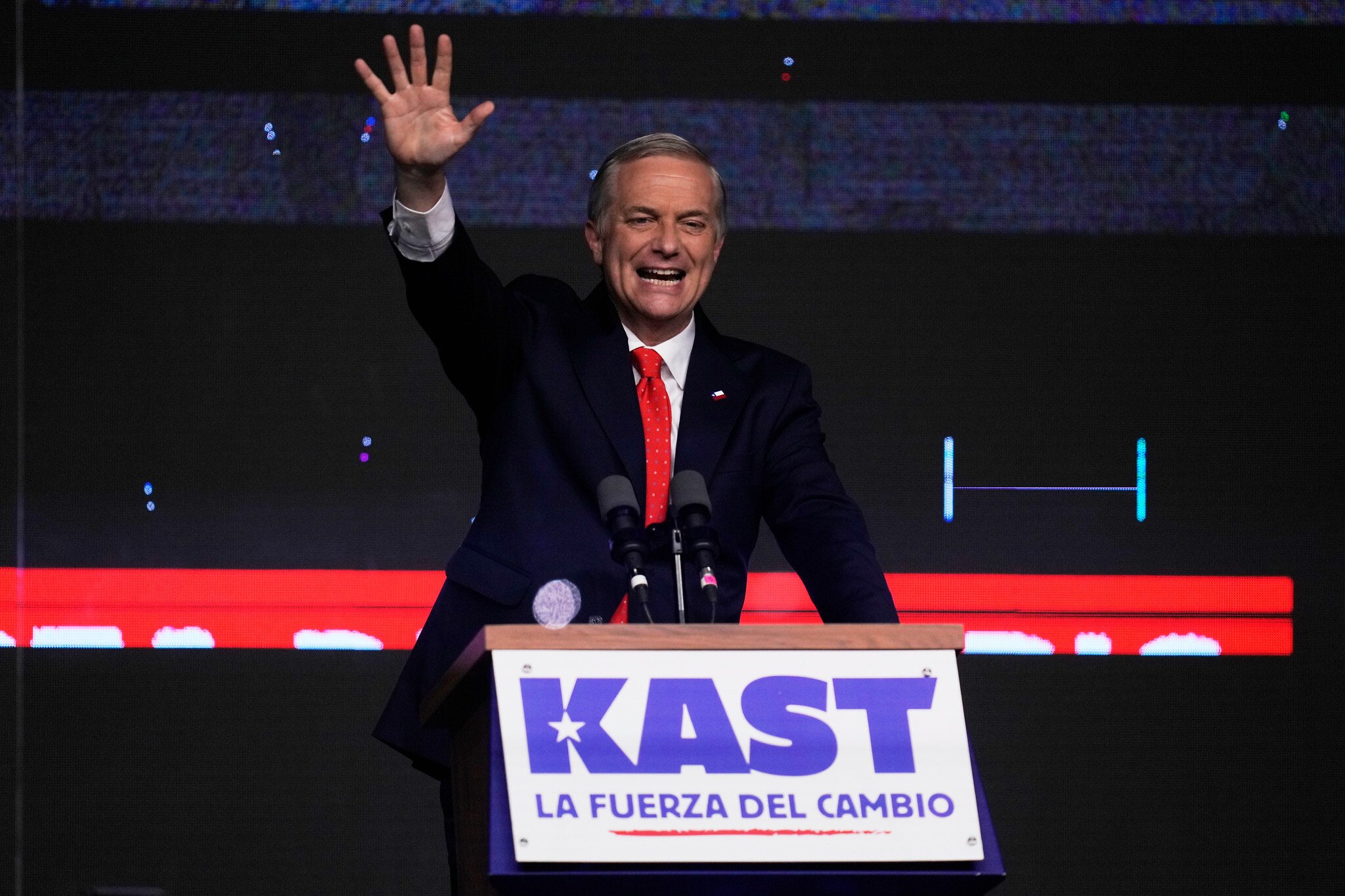
Looking Ahead: The Case of José Antonio Kast
The recent Chilean elections highlight this dynamic. while right-wing parties appear poised to control the lower house of Congress, the senate remains closely divided. José Antonio Kast, a leading conservative candidate, faces a similar path as Boric.
Analysts suggest Kast will succeed only if he avoids radical policies and seeks common ground.A failure to do so could result in the same legislative gridlock that hampered Boric’s presidency.
* Navia, a political analyst, notes that Kast must avoid governing as an extremist to avoid hitting a “wall.”
* Triumphant governance requires pragmatism and a willingness to negotiate.
Resource Wealth and Geopolitical Importance
The region’s rich natural resources, particularly Chile’s dominance in copper production and its vast reserves of minerals crucial for the energy transition, add another layer of complexity.These resources make Latin America a key player in the global economy and a focal point for international competition.
What Does This Mean for You?
The political shifts in Latin America have far-reaching consequences. For investors, it presents both opportunities and risks. For policymakers, it demands a nuanced understanding of the evolving regional landscape. And for citizens of these nations, it signifies a period of potential change and uncertainty.
Ultimately, the success of these new leaders will depend on their ability to address the pressing economic and social challenges facing their countries while fostering stability and cooperation within the region.


![Christmas Babies 2023: First Newborns Bring Joy to Parents | [Location – if applicable]](https://i0.wp.com/www.rte.ie/images/0023ac13-1600.jpg?resize=150%2C100&ssl=1 "Christmas Babies 2023: First Newborns Bring Joy to Parents | [Location – if applicable]")


