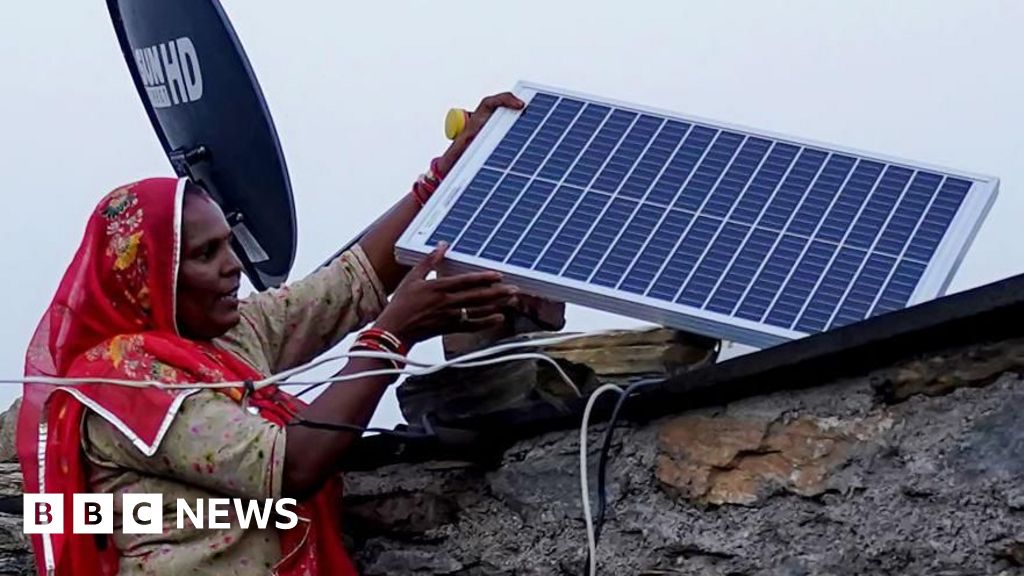
The Looming Solar Panel Waste Crisis: A Challenge and Opportunity for a sustainable Future
Damaged and aging rooftop solar panels are increasingly presenting a global challenge: what happens to them at the end of their lifespan? While solar power is vital for a cleaner energy future, a lack of robust recycling infrastructure threatens to create a notable environmental problem. ItS a situation that demands immediate attention and innovative solutions.
The Growing problem of Solar Panel Waste
Solar power offers the illusion of clean energy for roughly two decades. However, without a dedicated plan for panel recycling, we risk accumulating vast “graveyards” of modules, undermining the very benefits we seek.Currently, the majority of end-of-life solar panels aren’t being recycled effectively.
This isn’t simply an aesthetic concern. It’s a potential environmental disaster in the making.
Why Recycling is Difficult – and Why It matters
Several factors contribute to the low recycling rates:
* Complex Composition: Solar panels contain a variety of materials – glass, aluminum, silicon, silver, and copper – making disassembly and material separation challenging.
* Lack of Infrastructure: Dedicated recycling facilities capable of handling the volume of waste are still limited.
* Economic Barriers: The cost of efficient recycling can sometiems exceed the value of the recovered materials.
However, overcoming these hurdles is crucial. Efficient recycling isn’t just about preventing waste; it’s about resource recovery. By 2047, advanced recycling could reclaim up to 38% of materials for new panels. This would prevent an estimated 37 million tonnes of carbon emissions associated with mining virgin materials.
Recovering Valuable resources
Fortunately, many of the materials within solar panels have significant value. India, for example, already has established markets for glass and aluminum.
Furthermore, valuable metals like silicon, silver, and copper can be recovered and repurposed. These materials can be used to create new panels or contribute to other industries, fostering a circular economy.
Currently, most waste processing relies on basic methods. These methods primarily recover low-value materials, while precious metals are often lost, damaged, or extracted in minimal quantities. This represents a significant missed opportunity.
A Decisive Decade for India’s Solar Future
The next ten years will be pivotal for India’s aspiring solar energy goals. To ensure a truly sustainable future, the country must act decisively. This includes:
* Developing a Regulated Recycling System: Establishing clear regulations and standards for solar panel recycling is paramount.
* Raising Public Awareness: Educating households and businesses about the importance of responsible panel disposal is essential.
* Integrating Waste Collection: incorporating waste collection into existing solar business models will streamline the process.
* Extended Producer Obligation: Companies profiting from solar power should assume responsibility for the end-of-life management of their products.
Without proper recycling infrastructure and practices, the promise of clean energy today could easily translate into a waste management crisis tomorrow. It’s a challenge we must address proactively to ensure a truly sustainable energy future for all.
Ultimately,a commitment to responsible recycling isn’t just good environmental policy; it’s a smart economic strategy.It’s about maximizing resource utilization, minimizing waste, and building a circular economy that benefits both people and the planet.
Worth a look