
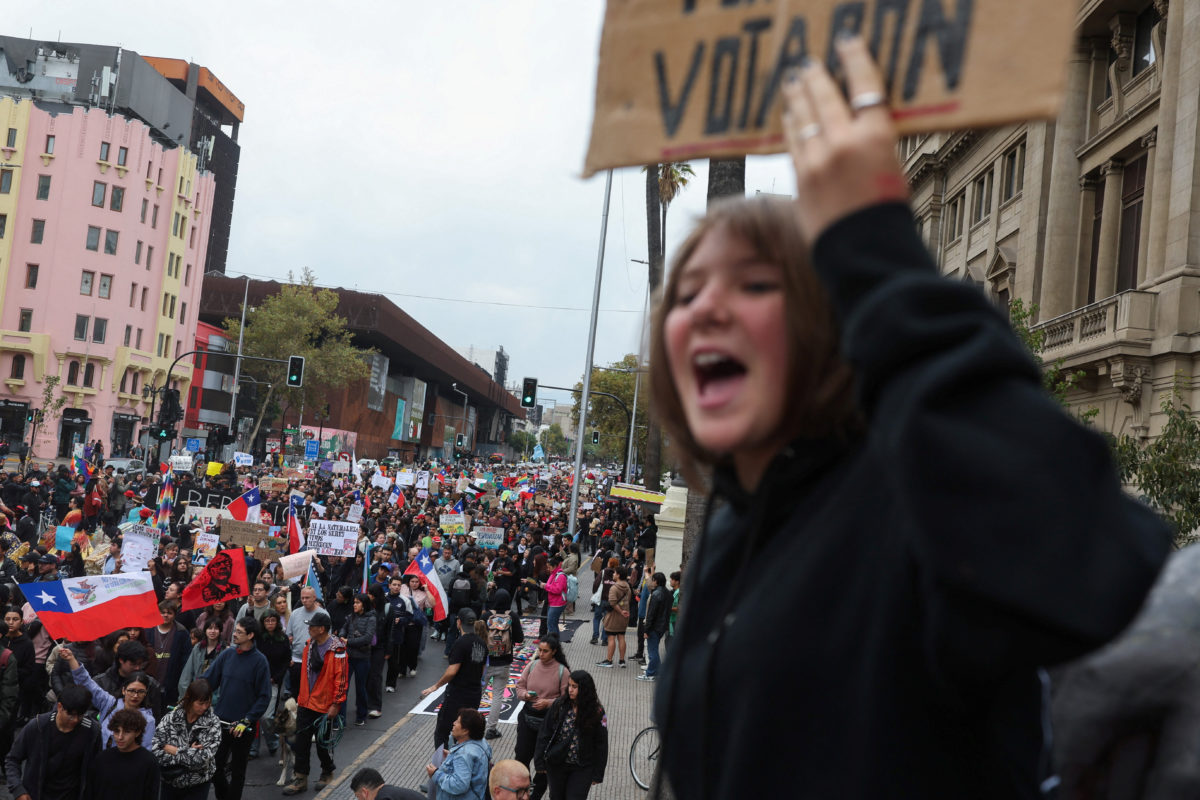
SANTIAGO, Chile — Tensions reached a boiling point in the Chilean capital on Wednesday, June 3, 2026, as a massive demonstration against the government’s fiscal agenda devolved into clashes between protesters and law enforcement. Thousands of students, teachers, and social activists gathered in Santiago to voice their opposition to President José Antonio Kast’s proposed education budget reductions and broader austerity measures, marking a significant escalation in public unrest since his administration took office on March 11, 2026.
The protest, which began as a unified march through the city center, was organized by the Confederation of Chilean Students and garnered support from a coalition of influential groups, including the Teachers’ Union, various secondary school student associations, and feminist organizations. While the event initially maintained a peaceful trajectory, the atmosphere shifted sharply as demonstrators encountered police cordons, leading to widespread disruptions across the capital, including the closure of multiple subway stations and the blocking of key urban thoroughfares.
At the heart of the unrest is President Kast’s ambitious fiscal strategy, which aims to reduce public spending by approximately $6 billion over an 18-month period. As part of this economic overhaul, the government has mandated a nearly 3% budget cut across all ministerial departments. These measures, described by the administration as essential for stabilizing the nation’s fiscal accounts, have faced mounting scrutiny from opposition parties and have even stirred internal debate within the governing coalition itself.
A Deepening Divide Over Economic Policy
The demonstration was not solely focused on education; protesters also mobilized against the government’s “National Reconstruction” bill. This comprehensive legislative package is designed to curb state expenditure while simultaneously incentivizing private investment to stimulate the economy. Critics, however, argue that the focus on austerity disproportionately affects essential public services and social welfare programs, sparking the broad-based coalition of students and labor unions seen on the streets this week.

During the height of the clashes, police deployed water cannons and tear gas in an effort to clear the streets of demonstrators, some of whom responded by throwing rocks and other projectiles. The intensity of the response drew sharp rebukes from organizers. Mario Aguilar, president of the Chilean Teachers’ Union, characterized the state’s reaction as a deliberate escalation, stating: “The government sought to provoke this, to create this situation to justify repression.”
This incident reflects the ongoing challenge facing the Kast administration as it attempts to implement its ultraconservative economic vision. With the government maintaining its pledge to fiscal reform despite public outcry, the situation remains fluid. The deployment of security forces to manage the dissent underscores the high stakes for both the administration and the various civil society groups that view these cuts as a threat to public education and social stability.
Looking Ahead: The Path for the National Reconstruction Bill
As the capital attempts to return to normalcy following Wednesday’s events, the focus shifts back to the legislative arena. The National Reconstruction bill remains the centerpiece of the government’s economic strategy, and the public demonstrations have highlighted the political obstacles that lie ahead. The administration has yet to indicate any formal pause in its budgetary directives, maintaining that the 3% across-the-board cuts are necessary to address the country’s current fiscal trajectory.
For citizens and observers, the next critical checkpoint will be the upcoming parliamentary discussions regarding the specifics of the austerity measures and the broader legislative package. Observers are closely monitoring whether the intensity of the protests will force a shift in the administration’s approach or if the government will continue to prioritize its fiscal targets over the demands of the protesting coalitions.
The international community, particularly those following Latin American geopolitics, remains attentive to how these internal tensions in Chile will influence the stability of the current governing coalition. As the situation develops, we will continue to provide updates on any shifts in government policy, further organized actions by the student and teacher associations, and any official responses from the Ministry of the Interior regarding the safety and security of future protests.
We invite our readers to share their insights on these events in the comments section below. How do you view the balance between national fiscal responsibility and the funding of public education? Join the conversation as we continue to track the developments in Santiago.
Worth a look