
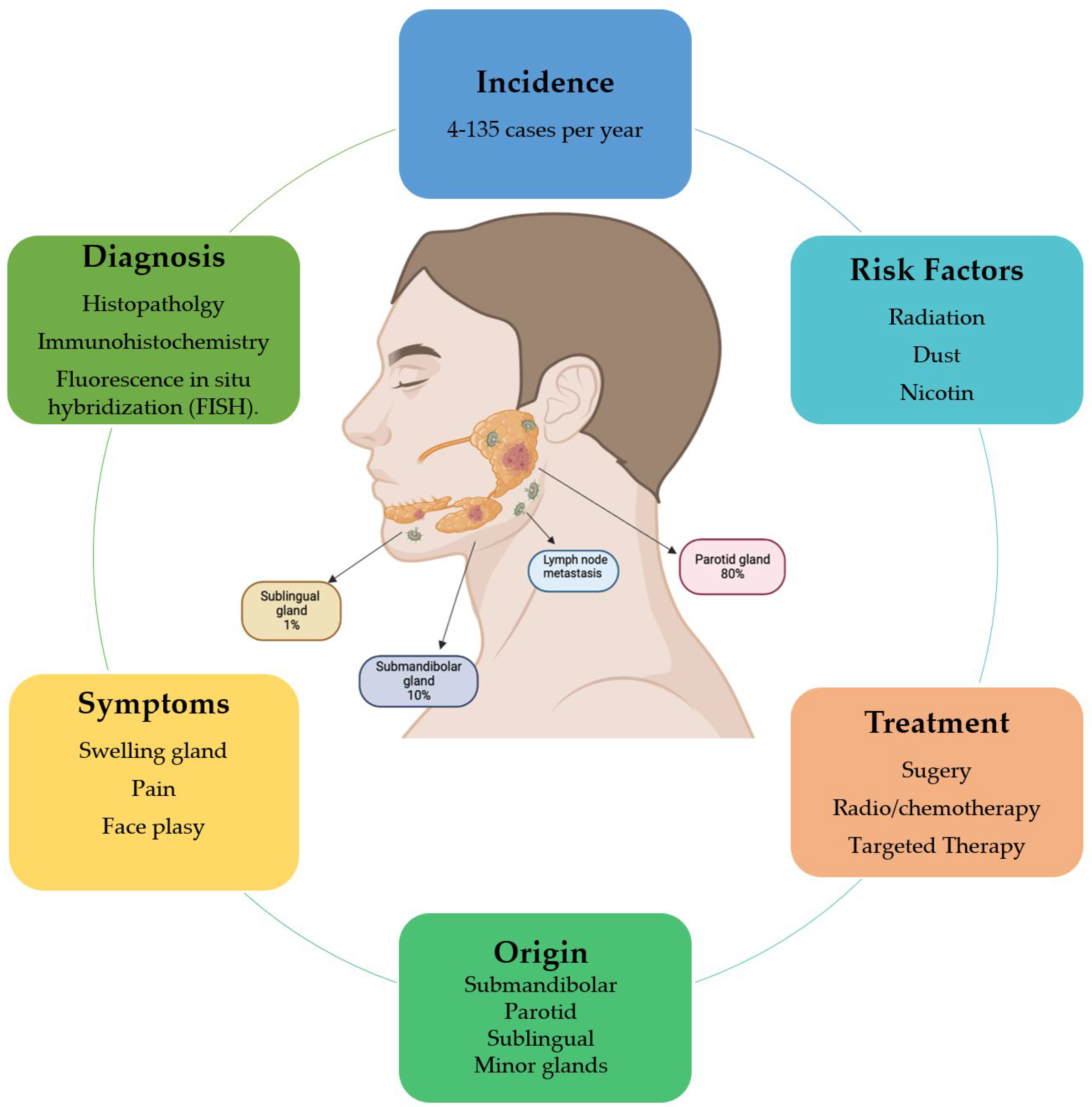
Patients undergoing surgery for salivary gland cancer face significant risks of facial nerve paralysis and autonomic dysfunction, such as Frey’s syndrome, due to the complex anatomical relationship between tumor sites and cranial nerves. While surgical intervention is often necessary to remove malignant tumors, the proximity of these glands to vital nerves and blood vessels means that complications can impact both appearance and daily function.
Salivary gland cancers, which can affect the parotid, submandibular, or sublingual glands, require precise surgical techniques to ensure complete tumor removal while minimizing damage to surrounding structures. According to medical consensus documented by the Mayo Clinic, the specific risks a patient faces depend largely on the location of the tumor and the extent of the surgical procedure required.
Understanding the Risks of Salivary Gland Cancer Surgery
The primary goal of surgery for salivary gland cancer is the complete excision of the tumor, often including the entire affected gland. Depending on the malignancy, surgeons may perform a parotidectomy (removal of the parotid gland), a submandibular gland excision, or more extensive neck dissections to remove lymph nodes. Because these glands are integrated with critical nerve pathways, the surgical field is highly sensitive.

The complexity of these procedures arises from the need to balance oncological safety—ensuring no cancer cells remain—with functional preservation. Surgeons must navigate around the facial nerve, which controls muscle movements in the face, and various sensory nerves that provide feeling to the skin and mouth. When a tumor is large or has invaded nearby tissues, the risk of surgical complications increases significantly.
Common surgical approaches include:
- Superficial Parotidectomy: Removal of the superficial lobe of the parotid gland, typically used for tumors that do not involve the facial nerve.
- Total Parotidectomy: Removal of the entire parotid gland, necessary when the tumor involves the main trunk of the facial nerve.
- Submandibular Excision: Removal of the gland located beneath the jawline, often involving the management of the marginal mandibular branch of the facial nerve.
Facial Nerve Paralysis and Motor Function
The most significant concern for patients undergoing parotid surgery is facial nerve paralysis. The facial nerve (the seventh cranial nerve) passes directly through the parotid gland, branching out to control the muscles responsible for facial expressions, such as smiling, closing the eyes, and frowning. If the nerve is severed, bruised, or compressed during tumor removal, the patient may experience varying degrees of facial weakness or total paralysis on the affected side.
Medical professionals categorize nerve injury into several stages. Temporary paralysis may occur due to nerve swelling or “neurapraxia,” where the nerve is intact but unable to transmit signals effectively during the healing process. Permanent paralysis occurs if the nerve fibers are physically severed or if the damage is too severe for regeneration. According to the American Cancer Society, the risk of nerve damage is a primary factor in determining the surgical strategy and the necessity of preoperative nerve monitoring.
To mitigate this risk, many surgeons employ intraoperative facial nerve monitoring. This technology uses electrical impulses to track the nerve’s integrity in real-time, alerting the surgical team if the nerve’s function is compromised during the dissection. Despite these advancements, the risk remains a critical consideration in the surgical planning for any malignancy located within the parotid region.
Frey’s Syndrome and Sensory Changes
Another distinct complication following parotid surgery is Frey’s syndrome, also known as gustatory sweating. This condition is a form of autonomic dysfunction that occurs when the nerves responsible for stimulating saliva production become misdirected during the healing process. Instead of connecting to the salivary gland, these regenerating nerve fibers may attach to the sweat glands in the overlying skin.

As a result, patients experience sweating and redness on the cheek or temple area specifically when they eat or smell food. While Frey’s syndrome is generally not life-threatening, it can cause significant social discomfort and physical irritation. The incidence of Frey’s syndrome varies widely in clinical literature, often depending on whether the surgeon utilizes specific techniques to prevent nerve misdirection, such as placing a barrier between the nerve and the skin during closure.
Other sensory complications can include:
- Numbness: Damage to the great auricular nerve can lead to a loss of sensation in the earlobe or the skin in front of the ear.
- Paresthesia: Patients may report tingling or “pins and needles” sensations in the area surrounding the surgical site.
- Dysgeusia: Changes in the sense of taste can occur if the nerves connected to the salivary glands or oral cavity are affected.
Fluid Accumulation and Wound Complications
Post-surgical complications are not limited to nerve damage; patients also face risks related to fluid management and wound healing. One common issue is the development of a salivary fistula. This occurs when saliva leaks through the surgical incision rather than flowing into the mouth. A fistula can lead to skin irritation, infection, and delayed wound healing, often requiring additional procedures or specialized dressings to manage.
Fluid buildup is another frequent occurrence. These typically take two forms:
- Seroma: A collection of clear serous fluid under the skin at the surgical site.
- Hematoma: A collection of blood that can cause swelling, pain, and pressure on the surrounding tissues.
If left unmanaged, these collections can increase the risk of postoperative infection. Surgeons often place surgical drains in the wound to allow these fluids to exit the body during the initial recovery period. Monitoring the amount and type of fluid in these drains is a standard part of postoperative care in oncology wards.
Long-term Monitoring and Recurrence Risks
Beyond the immediate surgical period, the risk of salivary gland cancer recurrence remains a primary concern for patients and their medical teams. Recurrence can occur locally in the surgical bed or systemically through the lymphatic system or bloodstream. The likelihood of recurrence is influenced by the tumor’s grade (how aggressive the cells look under a microscope), the size of the tumor, and whether the margins were clear during removal.
Regular follow-up appointments are essential for early detection. These typically include:
- Physical Examinations: Regular palpation of the surgical site and neck to check for new masses.
- Imaging Studies: Periodic CT scans, MRIs, or PET scans to monitor for any signs of returning tumor activity.
- Biopsies: If a new growth is detected, a biopsy is performed to confirm if it is malignant.
Managing the long-term effects of surgery also involves rehabilitative care. For patients experiencing facial nerve palsy, physical therapy or facial retraining exercises may be recommended to help regain muscle control. In cases of significant Frey’s syndrome, topical treatments or Botox injections are sometimes used to manage excessive sweating.
Frequently Asked Questions
Will my face look different after salivary gland surgery?
Changes in facial appearance can occur due to swelling, scarring, or facial nerve weakness. The extent of these changes depends on the type of surgery and the location of the tumor. Surgeons aim to minimize scarring through careful incision placement.

How long does it take to recover from salivary gland cancer surgery?
Initial healing of the incision typically takes several weeks. However, recovery from nerve-related issues, such as facial weakness or Frey’s syndrome, can take months or, in some cases, may be permanent.
Can nerve damage be reversed?
Some nerve injuries, particularly those caused by swelling (neurapraxia), can resolve as the nerve heals. However, if the nerve is physically severed, recovery is much more limited, though physical therapy can sometimes assist in functional improvement.
What should I watch for during my recovery?
Patients should monitor for signs of infection (increasing redness, warmth, or fever), excessive swelling, or sudden changes in facial movement. Any unusual fluid leaking from the incision should be reported to a physician immediately.
Patients are encouraged to discuss their specific surgical plan and potential complication risks with their oncology and surgical teams during preoperative consultations. Postoperative care protocols and follow-up schedules are established by the treating institution to ensure long-term monitoring.
For updates on advancements in head and neck oncology and surgical techniques, please follow our health section or share this article with those seeking medical information.