China’s AI Ambitions face Hurdles: Navigating Chip Constraints and the Path to Self-Sufficiency
China is aggressively pursuing advancements in artificial intelligence, but a critical challenge looms: access to the high-performance chips needed to power this revolution. Recent developments suggest limitations in the supply of even “cut-down” versions of leading-edge GPUs, perhaps reshaping the landscape of AI progress within the country. Let’s explore the complexities and potential pathways forward.
The Supply Squeeze & Nvidia’s Strategy
Currently, both the H20 and B30A chips appear to be scaled-back iterations of Nvidia’s flagship H100 and B300 processors. Consequently, Nvidia’s production capacity for these modified chips may be constrained. The company understandably prioritizes selling its moast powerful GPUs, leaving questions about consistent availability for the Chinese market.
This situation creates a dual possibility. First, chinese customers or Nvidia itself might seek additional capacity from cloud service providers. Second, and perhaps more considerably, it highlights an unmet demand for AI processors within China, opening a window of opportunity for domestic hardware manufacturers.
Government Push for Domestic Production
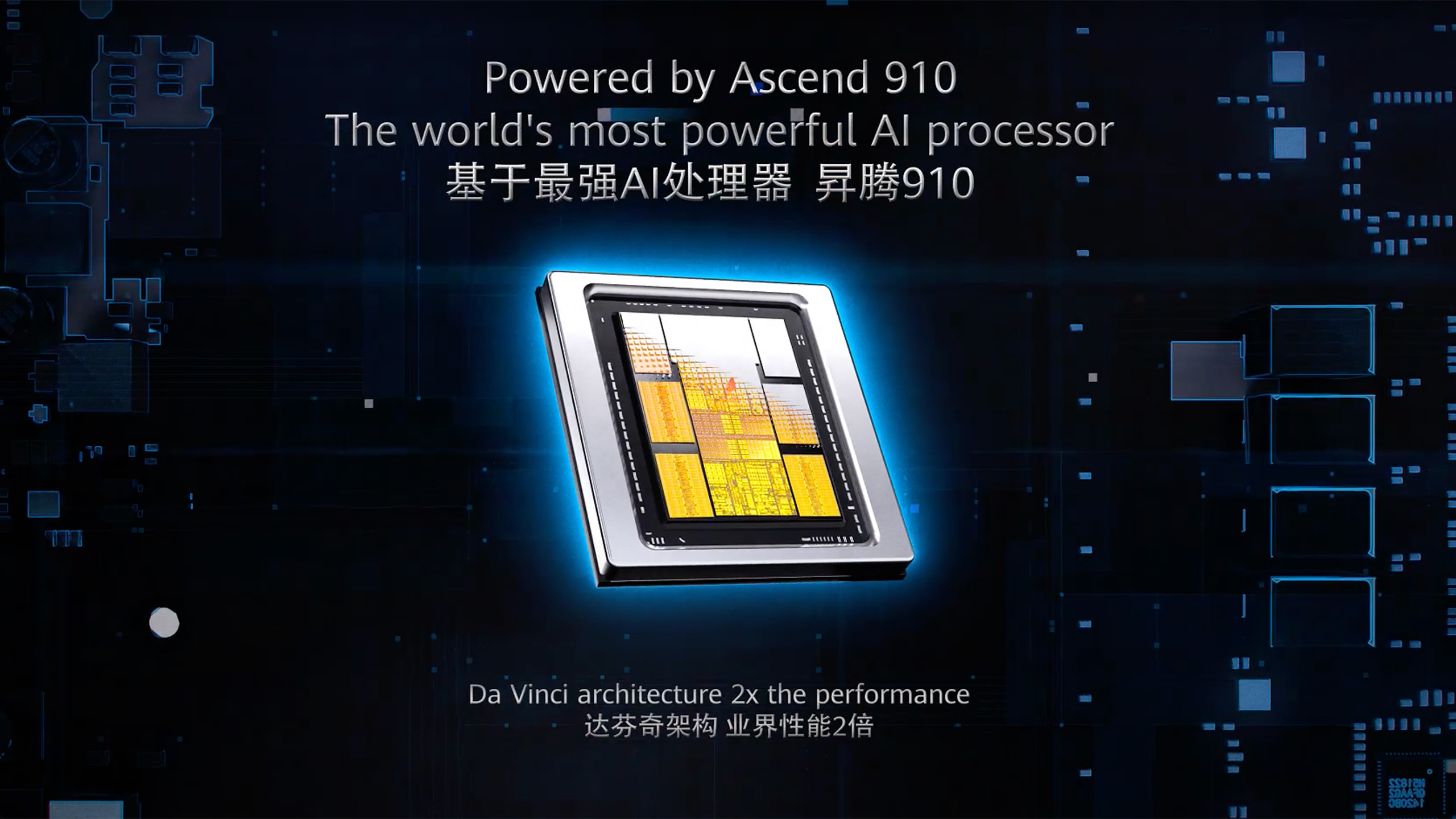
Rumors indicate a strong desire within the Chinese government to encourage the adoption of domestically produced AI hardware. This initiative aims to bolster the nation’s internal AI industry and reduce reliance on foreign suppliers.
If China commits to achieving AI hardware self-sufficiency, it might adopt a strategy of maximizing production, even if it means accepting lower yields and higher costs. Though, this approach faces significant hurdles. Advanced fabrication capabilities and the supply of High Bandwidth Memory (HBM) – a crucial component - remain potential bottlenecks.
Beyond Hardware: The Software Ecosystem
The challenges extend beyond simply manufacturing chips. A fragmented ecosystem and the dominance of Nvidia’s CUDA software stack present substantial obstacles.
CUDA Lock-In: Many AI developers are deeply familiar with CUDA, making it difficult to transition to alternative platforms.
Ecosystem Complexity: Building a complete AI ecosystem requires more than just chips; it demands robust software tools, libraries, and developer support.
Interoperability Issues: Ensuring seamless compatibility between different hardware and software components is a major undertaking.
These factors suggest that achieving complete self-sufficiency in both AI hardware and software will be a long and complex process for China.
What Does This Mean for You?
If you’re involved in AI development, understanding these dynamics is crucial.Here’s what you should consider:
Diversification: Explore alternative hardware and software options to mitigate potential supply chain disruptions.
Optimization: Focus on optimizing your AI models to run efficiently on available hardware.
Long-Term Planning: Anticipate potential shifts in the AI landscape and adjust your strategies accordingly.
Ultimately, China’s journey toward AI self-sufficiency will be a defining story of the coming decade. While challenges are significant, the nation’s commitment and resources suggest it will remain a major player in the global AI race. The path forward will likely involve a combination of domestic innovation, strategic partnerships, and a relentless pursuit of technological advancement.
Keep reading