
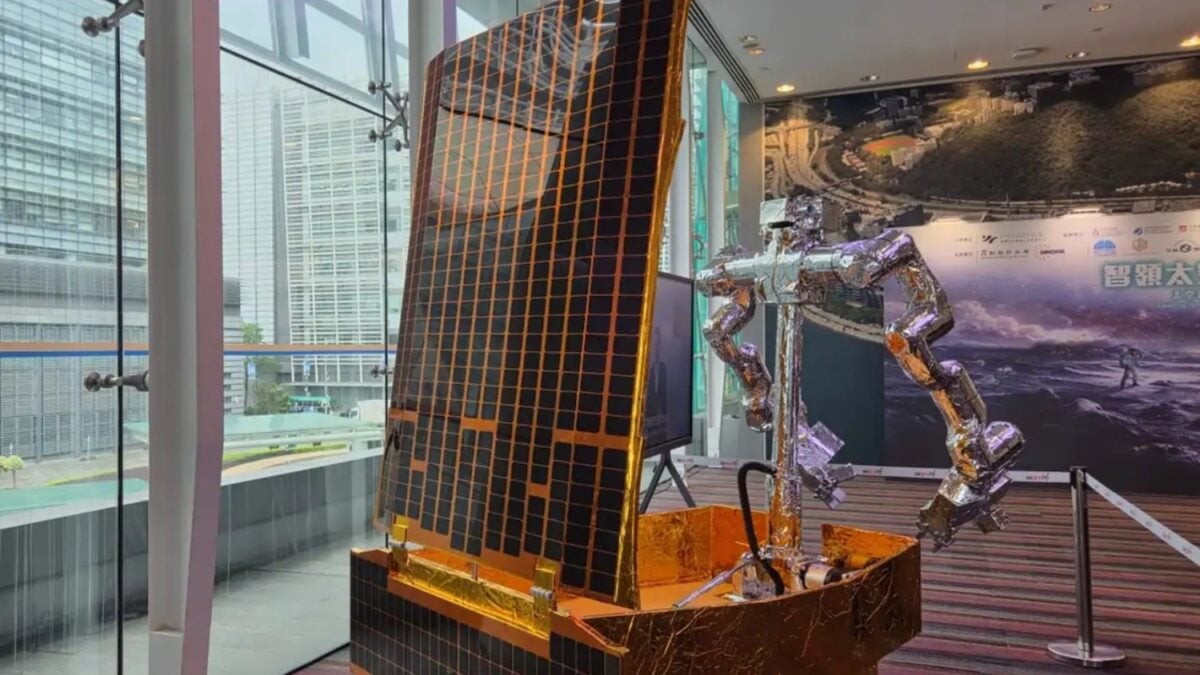
As the international race to establish a sustainable presence on the lunar surface intensifies, the development of specialized robotics has moved to the forefront of space exploration strategy. While NASA continues its work toward the Artemis program—which aims to return humans to the Moon—other global space agencies are concurrently advancing their own infrastructure plans. A key component of these long-term goals is the deployment of humanoid robots capable of performing construction and maintenance tasks in the harsh lunar environment.
The concept of using autonomous or semi-autonomous humanoids for lunar base construction is not merely theoretical. Engineering teams are currently focusing on creating platforms that can navigate the lunar regolith while possessing the dexterity required for assembly work. This approach aims to reduce the risks associated with human extravehicular activity (EVA) and improve the efficiency of building habitats, power systems, and communication arrays before or alongside the arrival of crewed missions.
The Evolution of Lunar Robotics
Lunar exploration has evolved significantly since the Apollo era. Modern objectives prioritize long-duration missions, shifting the focus from short-term visits to the creation of permanent, modular outposts. According to the National Aeronautics and Space Administration (NASA), the Artemis program is designed to establish a base camp at the lunar South Pole. This region is of particular interest due to the presence of water ice in permanently shadowed craters, which could be utilized for life support and fuel production.

To support these efforts, the integration of robotics is essential. Humanoid robots are being designed with specific physical attributes—such as bipedal movement and multi-articulated hands—that allow them to interact with tools and structures originally designed for human use. By delegating “dull, dirty, and dangerous” tasks to machines, space agencies hope to accelerate the construction timeline while ensuring the safety of astronauts who will eventually inhabit these stations.
Strategic Infrastructure and Autonomous Construction
The construction of a lunar base involves complex logistical challenges. Transporting heavy building materials from Earth is prohibitively expensive, leading researchers to explore In-Situ Resource Utilization (ISRU). This involves using lunar soil (regolith) to create building materials, such as bricks or 3D-printed structures. Humanoid robots are being tested for their ability to process these materials and perform the intricate labor required for modular construction.
International collaboration and competition remain the dual drivers of this progress. While the United States manages its Artemis Accords, a set of principles intended to guide civil space exploration, other nations are developing independent technological stacks. The development of humanoid robotics is a critical subset of this technology, as it directly impacts the ability to maintain infrastructure in environments where direct human intervention is limited by distance, radiation, and extreme temperature fluctuations.
Technical Requirements for Lunar Humanoids
Designing a robot for the Moon is fundamentally different from building one for Earth. Engineers must account for several mission-critical factors:
- Radiation Hardening: Electronics must be shielded against high levels of cosmic radiation that can disrupt computing systems.
- Thermal Management: Lunar temperatures can swing from approximately 127°C (260°F) in sunlight to -173°C (-280°F) in shadows, as noted by NASA’s lunar exploration research.
- Dust Mitigation: Lunar regolith is abrasive and electrostatically charged; it can clog joints and damage optical sensors.
- Autonomy and Latency: Because of the communication lag between the Moon and Earth, these robots require advanced onboard AI to make real-time decisions without human guidance.
The push for humanoid platforms indicates a preference for versatile machines. Unlike specialized rovers designed for a single purpose, a humanoid can potentially perform a wide range of tasks, from repairing solar panels to assisting with medical triage for astronauts. This adaptability makes them a cornerstone of future sustainable space colonization efforts.
Looking Ahead: The Path to Lunar Colonization
The next few years will be pivotal for lunar exploration. NASA’s Artemis II mission, which is the first crewed flight test of the Space Launch System and Orion spacecraft, is currently scheduled to pave the way for subsequent landings. These milestones will provide the operational data needed to refine the requirements for robotic assistants. As we move toward the late 2020s, the synergy between human crews and their robotic counterparts will define the success of long-term lunar habitation.

For space enthusiasts and industry observers, tracking these developments is essential to understanding the future of humanity off-world. Official updates regarding mission timelines, hardware testing, and international policy shifts can be found through the NASA newsroom and the official portals of international space agencies. The transition from exploration to industrialization on the Moon is a complex, multi-decade project, but the current rapid pace of innovation in robotics suggests that the foundation for a permanent base is already being laid.
What are your thoughts on the role of robotics in space exploration? Do you believe autonomous humanoids or specialized rovers will prove more effective for lunar construction? Share your perspectives in the comments below.