A Thawing Giant: Assessing the Evolving India-China Relationship in 2026
For decades, the relationship between India and China – the world’s two most populous nations and major economic powerhouses – has been defined by tension. From the 1962 border war to the serious clashes of 2020,a climate of distrust has prevailed. However, as we enter 2026, a subtle but significant shift is underway. Encouraging signs point towards a gradual thaw, offering a potential turning point in this critical geopolitical dynamic.
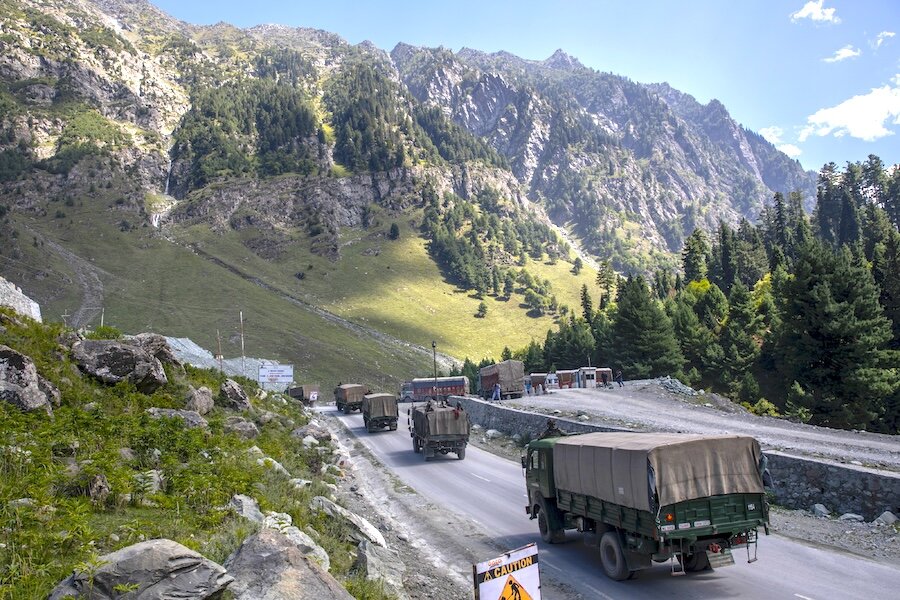
This isn’t a dramatic overhaul, but rather a move towards what one Indian diplomat recently described as a “state of armed coexistence” along their disputed Himalayan border. While challenges remain, even this limited de-escalation is crucial in mitigating the risk of military conflict. Beyond the border, political and economic engagement is cautiously resuming. Recent high-level meetings between leaders, the re-establishment of flights, and a renewed interest in tourism signal a willingness to explore avenues for cooperation. These developments are particularly timely, offering a potential buffer against the economic headwinds facing the Global South following the unexpected surge in U.S. trade tariffs in 2025.
The BRICS Factor: A New Multipolar World Order?
A key arena for this evolving relationship is the BRICS economic alliance (Brazil, Russia, India, China, and South Africa). India’s assumption of the rotating BRICS chairmanship in 2026 places it at the center of a group representing nearly 49% of the world’s population, 29% of global production, and 23% of international trade (World Bank, 2024).
Founded in the wake of the 2008 global financial crisis, BRICS initially aimed to provide an alternative to Western-dominated financial institutions. Today, the alliance is gaining renewed relevance. As Foreign Affairs magazine noted in November 2025, shared economic pressures are fostering a sense of collective strength among BRICS nations. though, achieving true cohesion is a complex undertaking. Divergent domestic priorities, concerns about over-reliance on China, and the potential for further alienation of the United States all present significant hurdles. China’s own expanding geopolitical ambitions also add a layer of complexity.
Why a Stable india-China Relationship Matters to the U.S.
The warming trend between India and China might be viewed with skepticism by some in the U.S., particularly those advocating an “America First” approach. A zero-sum perspective,framing closer ties between these two giants as detrimental to U.S. interests, misses the broader strategic picture.
As Lyle Goldstein, an analyst with Defense Priorities, argues, a stable India-China relationship ultimately serves American interests. Increased trade between the two nations would stimulate global prosperity and, crucially, reduce the risk of a potentially catastrophic conflict. “The world will not have to watch nervously as two nuclear-armed powers engage in regular, violent skirmishing,” Goldstein wrote in The Hill (January 2026). This stability contributes to a more secure global environment, allowing the U.S. to focus on othre critical challenges.
Beyond the Headlines: The Drivers of Change
Several factors are contributing to this cautious optimism.
* Economic Interdependence: Despite political tensions, economic ties between India and China remain substantial. Both nations benefit from trade and investment, creating a vested interest in maintaining a degree of stability.
* Shared Regional Concerns: Both India and China have a stake in regional stability, particularly in addressing issues like terrorism, climate change, and pandemic preparedness.
* The Shifting Global Landscape: The increasing unpredictability of the global order, coupled with rising U.S. protectionism, is pushing India and China to explore alternative partnerships and strengthen their own regional influence.
* Diplomatic Channels: Ongoing, albeit discreet, diplomatic channels are proving vital in managing disputes and fostering communication.
The path forward won’t be easy. Deep-seated mistrust and unresolved border disputes will continue to pose challenges. However, the tentative overtures we are witnessing in early 2026 demonstrate the potential benefits – and the necessity – of even small steps towards diplomacy and dialog. A small thaw, indeed, could yield big wins for regional and global stability.
Evergreen Insights: The long Game of Sino-Indian Relations
The India-China relationship is a long-term strategic competition shaped by history, geography, and diverging national interests. while short-term fluctuations are inevitable,the underlying dynamics will likely persist for decades to come. Understanding these fundamental drivers – including the border dispute, competition for regional influence, and differing political systems - is crucial for navigating this complex relationship.The key to a stable future lies in fostering a pragmatic approach that acknowledges
Keep reading