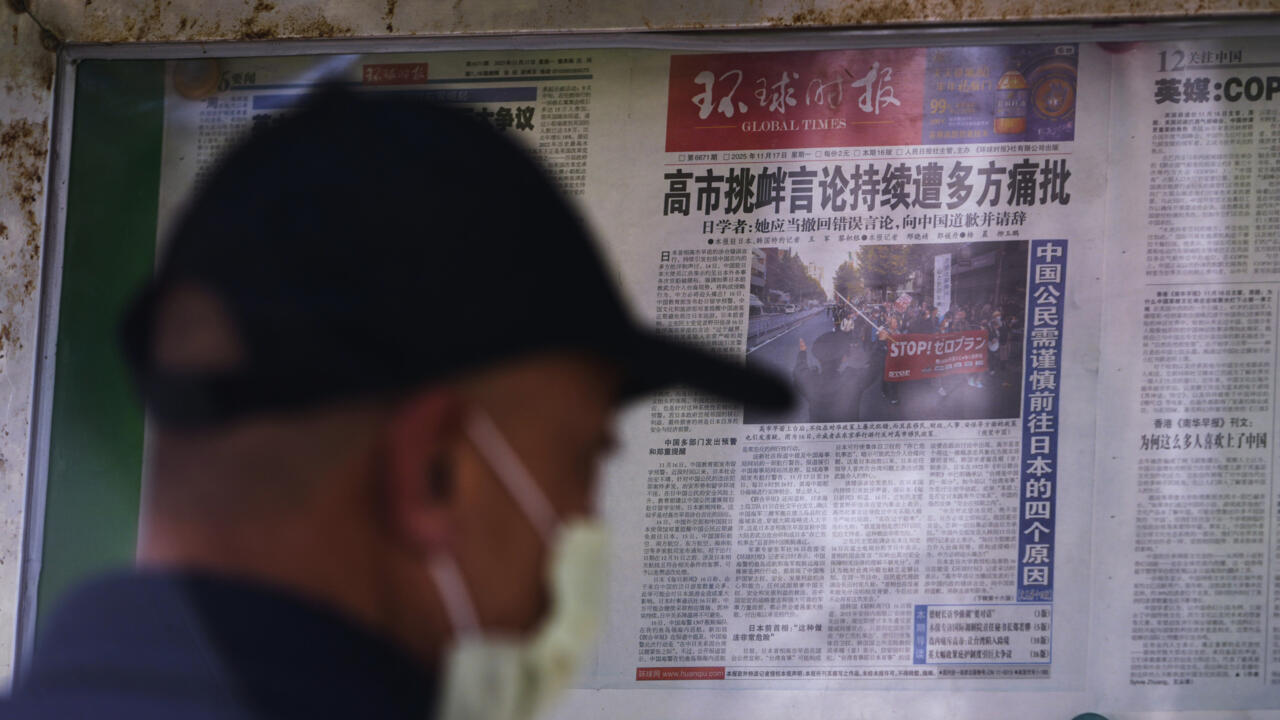
Navigating a Tightrope: Japan, China, and the Future of Taiwan
The relationship between Japan and China is facing a critical juncture, fueled by escalating tensions over Taiwan.While officially adhering to the “One China” policy,Japan maintains meaningful unofficial ties with Taipei – a delicate balance designed to support Taiwan without directly provoking Beijing. But recent political moves and economic repercussions are testing this framework, raising questions about the future of regional stability.
Let’s break down the past context, current challenges, and potential pathways forward.
A Complex History Shapes Today’s Dynamics
The roots of this complex relationship run deep. Taiwan’s history is inextricably linked to both China and Japan.
* Colonial Past: Taiwan was a Japanese colony from 1895 to 1945. During this period, Japan invested heavily in the island’s infrastructure, education, and industrial progress, leaving a lasting impact on its institutions and political landscape.
* Post-War Shift: After WWII, control reverted to china, but the island became a refuge for the Nationalist government following the Chinese Communist Revolution.
* The “One China” Policy: Japan formally recognized the People’s Republic of China and its “One China” policy, acknowledging Beijing’s claim over Taiwan. Though, it simultaneously cultivated robust unofficial relations with Taipei.
This historical backdrop significantly informs Japan’s current approach to regional security.The 1960 US-Japan Security Treaty, allowing U.S. forces stationed in Japan to operate throughout East Asia, is central to this. as Dr. Lim points out, many in Japan view Taiwan’s stability as vital to their national security.
Current Tensions and Economic Repercussions
Recent actions by Japanese officials have triggered a strong response from Beijing. Specifically, comments made by Japanese Economic Security Minister Takaichi Sanae regarding Taiwan’s relationship with Japan have been met with condemnation.
China has responded with a series of punitive measures, primarily targeting Japanese businesses and tourism.
* Tourism Decline: Reports indicate approximately 500,000 flights to Japan have been cancelled by Chinese tourists, significantly impacting airlines, hotels, and the broader tourism sector.
* Economic Leverage: China possesses significant economic leverage over Japan. Combined with existing economic pressures from U.S. tariffs, these measures coudl further weaken Japan’s economic outlook.
* A Calibrated Response: Experts believe Beijing’s response is carefully calibrated to inflict economic pain without escalating the situation into a full-blown confrontation. The goal appears to be to punish Japan until it demonstrates sufficient deference to China’s position on Taiwan.
You might be wondering how this impacts your understanding of the global economy. These tensions highlight the fragility of supply chains and the interconnectedness of international trade.
What’s Next? A Path Forward
Despite the current friction, most analysts believe neither China nor Japan desires a complete breakdown in relations. Both countries face internal economic pressures and are navigating a period of global supply chain reconfiguration.
Here’s what to expect:
* Continued Dialog: History demonstrates that even during periods of intense disagreement, dialogue between China and Japan is eventually restored.
* Nationalism as a Factor: Economic hardship could fuel nationalist sentiment in Japan, potentially allowing leaders to frame the situation as a result of Chinese aggression.
* A Swinging Pendulum: The relationship between China and Japan is characterized by a cyclical pattern of reconciliation and conflict.
“The pendulum of China-Japan relations is always swinging,” says Dr. Lim. “Yet history shows that even at the lowest point, dialogue is always restored.”
Ultimately, the future of Taiwan and the stability of the region depend on careful diplomacy, a nuanced understanding of historical context, and a willingness from all parties to navigate this complex situation with restraint.
Resources for Further Exploration:
* Japan, Taiwan, and the One China Framework after 50 years