
Beijing has solidified its position as the undisputed center of the global automotive industry, with the 2025 Auto China show serving as the most vivid demonstration yet of this seismic shift. The biennial exhibition, held at the China International Exhibition Center in Shunyi District, has grown to become the world’s largest automotive event by both scale and influence, reflecting the profound transformation underway in how vehicles are designed, manufactured, and sold worldwide.
This year’s Auto China sprawled across 17 exhibition halls covering nearly 400,000 square meters of display space — a physical manifestation of China’s dominance in global car sales. According to verified market data, China accounted for 34.35 million vehicle sales in 2025, including commercial vehicles, representing over one-third of all automobiles sold on the planet. This figure underscores not just the size of the Chinese market but its pivotal role in shaping industry trends, technological adoption, and competitive strategies among legacy and emerging automakers alike.
The narrative at this year’s show was unmistakable: Chinese brands are no longer participants in a global industry led by Western and Japanese incumbents — they are now setting the pace. Domestic manufacturers captured 70% of all passenger vehicle sales in China during 2025, up from 66% the previous year, according to industry analysis by Inovev. This marks a decisive turning point in which foreign brands, aside from select German players like Volkswagen and BMW, are increasingly relegated to supporting roles in what was once their strongest overseas market.
The Rise of China’s Automotive Champions
Walking through the halls of Auto China 2025, visitors encountered a lineup dominated by homegrown names that have evolved rapidly from joint venture partners into independent innovators. BYD, which surpassed Tesla in global electric vehicle sales in 2023 and maintained its lead through 2025, showcased its latest blade battery technology and expanded lineup of plug-in hybrids and fully electric models across multiple price points. The company’s presence was emblematic of a broader trend: Chinese EV makers are leveraging vertical integration, aggressive pricing, and rapid iteration to outpace legacy competitors.
Geely, now owning stakes in Volvo, Polestar, and Lotus, used the platform to highlight its global ambitions while emphasizing its dual-strength in combustion-engine refinement and electric architecture development. Chery, another top-tier domestic brand, displayed its growing export footprint, particularly in Latin America and Southeast Asia, where its Tiggo and Arrizo lines have gained traction due to affordability and improving quality standards.
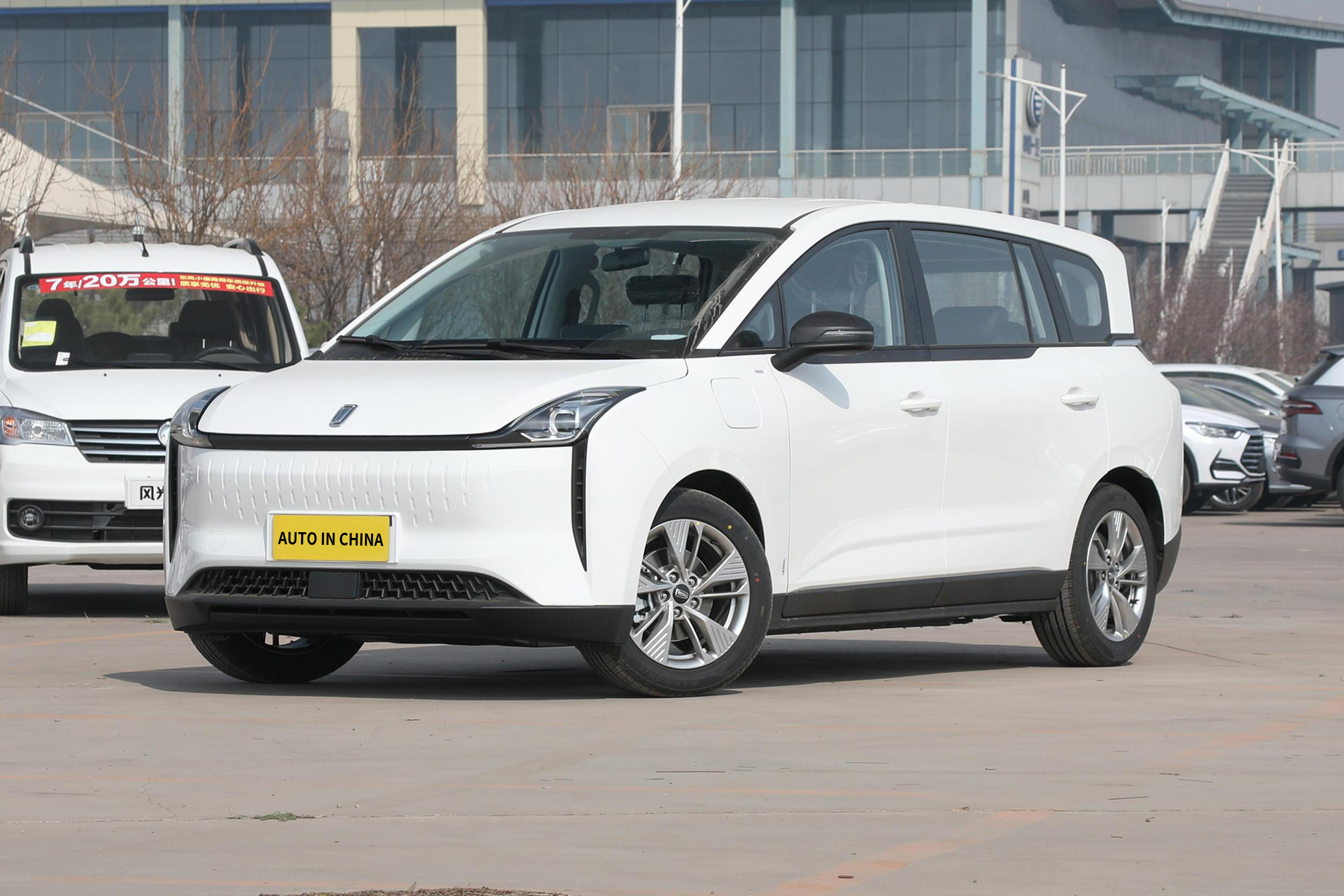
Perhaps most emblematic of the new era was Xiaomi’s SU7 sedan, which generated immense buzz not only for its sleek design and competitive pricing but also for symbolizing how consumer tech giants are reshaping mobility. Backed by Lei Jun’s vision and Xiaomi’s ecosystem strength, the SU7 achieved over 100,000 deliveries within its first six months — a pace unmatched by most EV startups in their inaugural year. Its success reflects a broader pattern: technology firms entering automotive are benefiting from China’s supportive regulatory environment, advanced supply chains, and consumer openness to digital-first experiences.
Other notable participants included Xpeng, which unveiled advancements in its autonomous driving suite; MG-SAIC, continuing its revival through stylish, affordable EVs; and Huawei, which, while not manufacturing cars under its own brand, powered numerous vehicle models through its HIRISE smart cockpit and ADS 2.0 autonomous driving platforms.
Foreign Automakers Adapt to a New Reality
The declining visibility of American, Japanese, and many European brands at Auto China reflects deeper structural shifts. Nissan and Peugeot maintained modest presences, largely focused on legacy models or region-specific offerings. In stark contrast, Volkswagen and BMW doubled down on their China strategies, announcing new joint ventures, localized EV platforms, and significant investments in battery production and software development.
Volkswagen Group, through its Anhui-based joint venture with JAC, unveiled the ID.UNYX, a coupe SUV developed specifically for Chinese tastes and built on the MEB platform with local software enhancements. BMW Brilliance Automotive showcased the iX2 and i5 models produced in Shenyang, emphasizing long-wheelbase variants preferred by Chinese consumers and highlighting progress in its “iFACTORY” initiative, which integrates automation and digitalization across its Chinese plants.
These moves underscore a critical adaptation: survival in China now requires more than exporting global models. Success demands deep localization — from design and tuning to software integration and after-sales service — often achieved through strengthened partnerships with domestic tech firms and battery suppliers.
Why the Center of Gravity Shifted
Several interconnected factors explain why China has become the epicenter of automotive innovation and sales. First, scale matters: no other country comes close to matching China’s annual vehicle demand. Second, government policy has been instrumental. Decades of support for new energy vehicles (NEVs) — including subsidies, preferential licensing, and mandates for automakers to produce EVs — created a fertile ground for domestic champions to scale rapidly.
Third, China’s manufacturing ecosystem offers unparalleled advantages in speed and cost. The country hosts the world’s most concentrated network of battery producers, including CATL and BYD, which together supply over half of the global EV battery market. This proximity allows automakers to iterate quickly, reduce logistics complexity, and respond swiftly to shifting consumer preferences.
Finally, Chinese consumers have shown remarkable openness to innovation. Unlike in some Western markets where brand loyalty and skepticism toward new entrants persist, buyers in Tier 1 and Tier 2 cities frequently embrace cutting-edge features — from over-the-air updates and AI-powered interfaces to advanced driver-assistance systems — creating a powerful feedback loop that rewards agility and punishes complacency.
What In other words for the Global Industry
The reorientation of the automotive world toward China has far-reaching implications. For suppliers, it means prioritizing compliance with Chinese standards and establishing local production capacity to remain competitive. For policymakers elsewhere, it raises questions about industrial strategy, trade adjustment, and how to foster innovation without triggering protectionist cycles. For consumers globally, the ripple effects include access to more affordable EVs, faster technology diffusion, and increasing pressure on legacy automakers to accelerate their own electrification timelines.

as Chinese brands expand exports — BYD now sells in over 70 countries, and Chery ranks among China’s top exporters — the competitive pressure on established players intensifies in emerging markets across Africa, Southeast Asia, and Latin America. This dynamic is reshaping not just where cars are made, but who defines what a modern vehicle should be.
Looking ahead, the next major benchmark will be the 2026 Shanghai Auto Show, scheduled for April in conjunction with the broader Beijing-Shanghai industry calendar. Historically alternating with Beijing as China’s premier automotive showcase, Shanghai will offer another critical snapshot of whether the trends seen in 2025 — domestic dominance, tech integration, and global ambition — continue to accelerate or evolve in new directions.
As the world watches this transformation unfold, one thing is clear: the future of mobility is being shaped not in Detroit, Stuttgart, or Tokyo, but in the vast exhibition halls and factory complexes of China, where the next chapter of the automobile is already being written.
If you found this analysis informative, we invite you to share your thoughts in the comments below and spread the conversation across your networks. Stay tuned to World Today Journal for ongoing coverage of how global industries are evolving in real time.
Worth a look