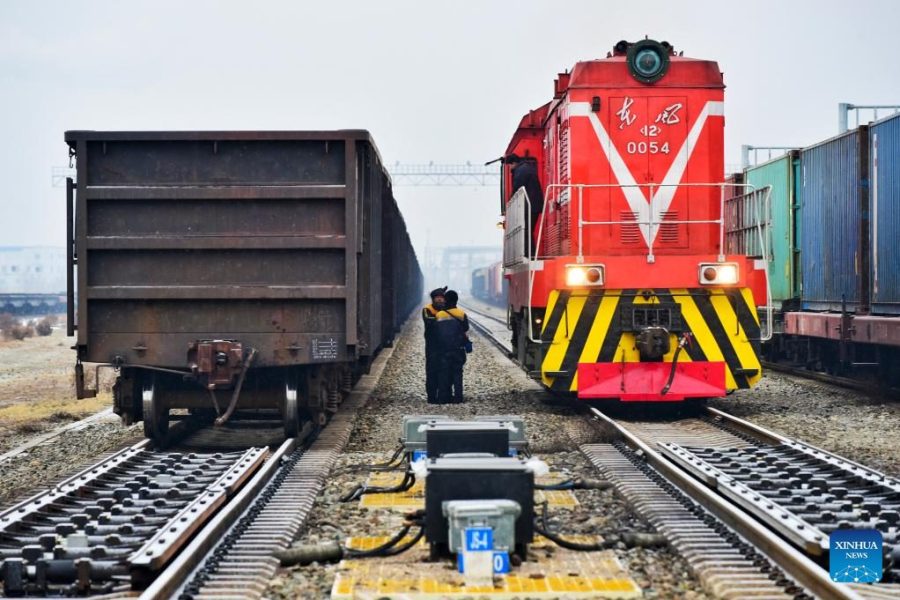
China State Railway Group Co., Ltd. (China Railway) has established a normalized, large-scale transport mechanism to manage the movement of essential commodities across the country, specifically focusing on the transit of Xinjiang cotton, the delivery of northern grain to southern regions, and the distribution of imported fertilizers. This strategic initiative, managed through a structured “special train” system, aims to stabilize national supply chains and lower logistics costs for key agricultural and industrial sectors.
According to official reports from the national rail operator, the implementation of these dedicated freight corridors is designed to address seasonal supply-demand imbalances. By utilizing a fixed-schedule, fixed-route, and fixed-capacity model, China Railway intends to increase the reliability of regional distribution, ensuring that raw materials reach manufacturing hubs and agricultural inputs reach farming areas without the volatility typically associated with seasonal peak demand.
Strategic Prioritization of National Freight
The core of this logistical shift involves the integration of three distinct supply chains into the national rail network’s priority dispatch system. The transit of Xinjiang cotton has been identified as a critical priority to support the regional textile industry. By creating a dedicated rail link, the state operator aims to reduce the transit time for cotton fiber moving from production bases in the Xinjiang Uyghur Autonomous Region to coastal manufacturing centers, as reported by the State Council of the People’s Republic of China. This move is intended to maintain steady production schedules for textile mills that rely on high-volume, consistent deliveries.

Simultaneously, the “North-to-South” grain transport program serves as a cornerstone of national food security policy. China Railway coordinates with agricultural authorities to move surplus grain harvested in northern provinces to the populous southern regions where demand for animal feed and food processing remains high. This systematic approach is intended to mitigate the impact of weather-related transport disruptions, which historically affect road-based logistics during winter months.
Managing Fertilizer Imports and Seasonal Demand
A significant portion of the rail expansion is dedicated to the distribution of imported fertilizers. As China continues to rely on international imports to meet domestic agricultural requirements, the efficiency of port-to-field transport is vital. China Railway has implemented a “green channel” for these imports, prioritizing the unloading and rapid rail transit of fertilizers arriving at major ports such as Tianjin and Qingdao.
Data provided by the National Development and Reform Commission (NDRC) indicates that these dedicated freight services are part of a broader effort to reduce the “last mile” cost for farmers. By stabilizing transport prices through long-term contracts and fixed-schedule train runs, the government aims to insulate the agricultural sector from sudden spikes in transportation costs that often occur during the spring planting season.
Operational Efficiency and Future Outlook
The “normalized” operation of these trains signifies a departure from ad-hoc, demand-responsive scheduling. By treating these commodities as a permanent baseline of the rail network’s capacity, China Railway can better forecast equipment needs and optimize rolling stock allocation. This approach allows for the use of specialized freight cars, such as covered hopper wagons for grain and protective containers for cotton, which minimize cargo damage during long-haul transit.

The success of these programs is measured by the volume of goods moved per quarter, a metric that the Ministry of Transport monitors in coordination with regional rail bureaus. Officials have indicated that the focus for the upcoming cycle will be on further integrating digital tracking systems, allowing stakeholders to monitor the location of fertilizer shipments and grain consignments in real-time, according to updates published by the Ministry of Transport.
As the network expands, analysts expect that the continued reliance on these dedicated freight lines will exert downward pressure on logistics overhead for industrial manufacturers. The next scheduled review of these transport protocols is expected to coincide with the next national agricultural planning session. Readers interested in tracking the impact of these logistics changes are encouraged to monitor updates from the official China Railway website for the latest scheduling adjustments and capacity reports.