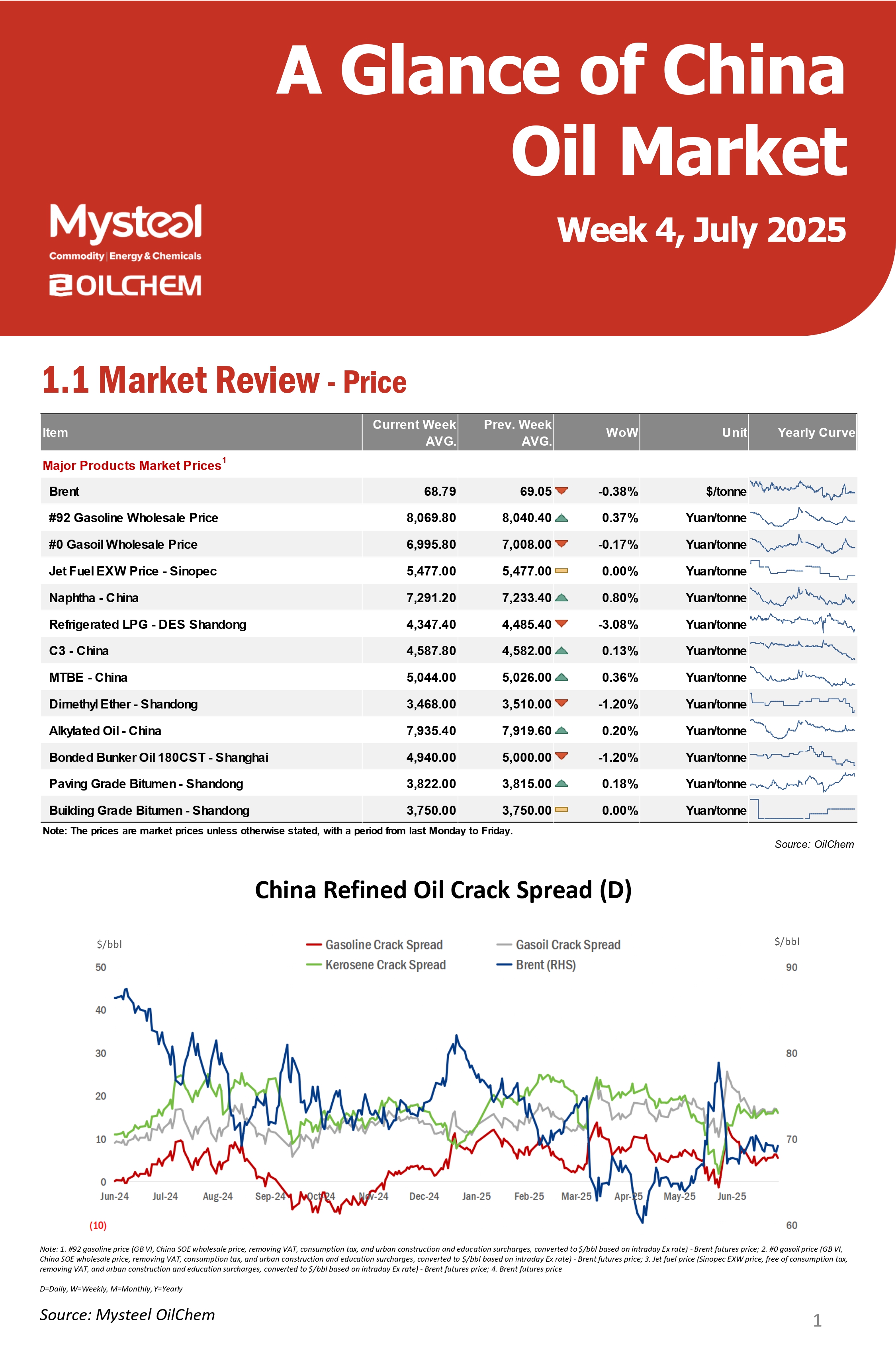
China’s domestic fuel market is facing renewed upward pressure as refined oil prices are set to rise again, marking the seventh increase recorded so far this year. The price adjustment, which takes effect at 24:00 on May 8, 2026, reflects the ongoing volatility in global energy markets and the rigid mechanisms used by Chinese regulators to align domestic costs with international benchmarks.
For millions of motorists and logistics firms across the mainland, this latest shift adds to a cumulative trend of rising energy costs that has persisted through the first half of the year. While the specific magnitude of the increase varies by fuel type, the frequency of these adjustments underscores a period of instability in crude supply chains and a fluctuating demand profile within the world’s second-largest economy.
As the Chief Editor of Business at World Today Journal, I have observed that fuel pricing in China is rarely just about the pump; This proves a barometer for broader macroeconomic health. When refined oil prices climb seven times in less than five months, it signals a systemic challenge for transport-dependent industries and a potential headwind for consumer spending as the cost of moving goods increases.
The adjustment is overseen by the National Development and Reform Commission (NDRC), the central government body responsible for managing China’s economic planning and pricing stability. By linking domestic prices to a rolling average of international markets, the NDRC attempts to balance the need for market efficiency with the necessity of preventing extreme price shocks that could trigger widespread inflation.
The Mechanics of China’s Fuel Pricing System
To understand why China refined oil prices fluctuate with such regularity, one must look at the “ten-business-day” pricing cycle. Unlike some Western markets where prices may change daily based on local competition and immediate spot prices, China employs a more structured, regulated approach. The NDRC adjusts prices every ten working days based on the average price of refined oil products over the preceding window.
If the average international price of refined oil increases or decreases by more than a certain threshold—typically 7%—the NDRC triggers a domestic price adjustment. This mechanism is designed to shield the domestic economy from the most extreme daily swings of the global market while ensuring that the state-owned enterprises (SOEs) that dominate the refining and distribution sectors do not incur unsustainable losses or reap excessive windfall profits.
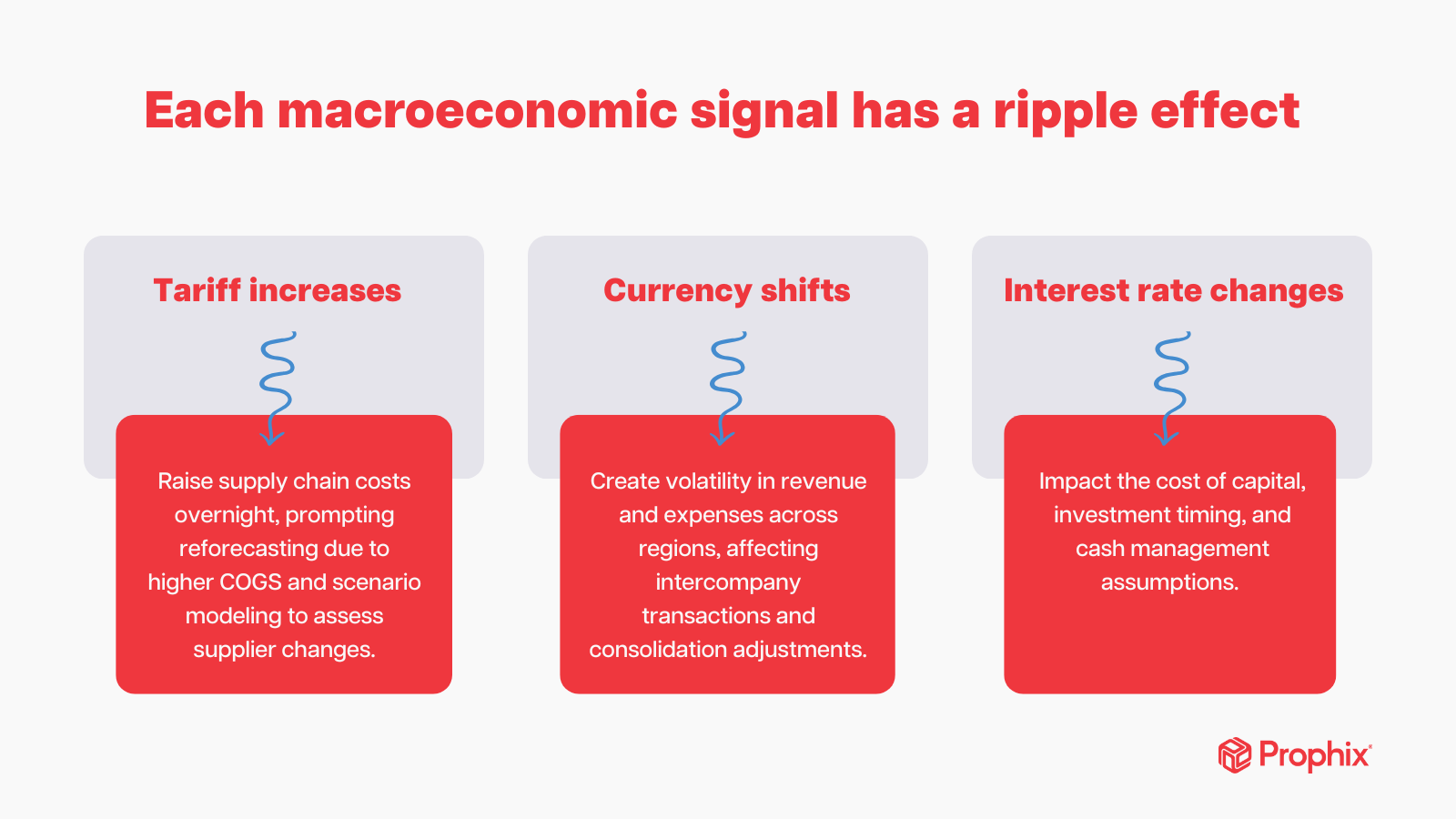
This “smoothing” effect, however, means that domestic price hikes often lag slightly behind global spikes. When the international market enters a sustained uptrend, as seen in the lead-up to this seventh increase of the year, the NDRC is forced to implement a series of incremental hikes to close the gap between domestic and global parity.
The complexity of this system is further compounded by the “tax-inclusive” nature of the pricing. The final price at the pump includes not only the cost of the refined product but also consumption taxes and value-added taxes (VAT). When the base price of oil rises, the absolute value of the tax burden also increases, compounding the cost for the end consumer.
Macroeconomic Ripples: Who is Affected?
A seventh price hike within a single calendar year creates a cumulative inflationary effect that extends far beyond the fuel gauge. In a country as geographically vast as China, where the movement of agricultural produce and industrial components relies heavily on heavy-duty trucking, energy costs are a primary driver of the Consumer Price Index (CPI).
The Logistics and Transport Sector
Freight companies and independent truckers operate on thin margins. Because fuel typically represents one of the largest overhead costs in logistics, frequent price hikes force operators to either absorb the costs—reducing their profitability—or pass them on to shippers. This “cost-push” inflation eventually reaches the retail level, potentially increasing the price of fresh produce and consumer electronics.
The Consumer Experience
For the average urban commuter, the rise in gasoline prices acts as a “hidden tax” on disposable income. While the shift toward electric vehicles (EVs) has mitigated this impact for a growing segment of the population, the majority of the vehicle fleet remains internal combustion. The psychological impact of seeing “seventh increase” in headlines often leads to a temporary tightening of discretionary spending.
Industrial Manufacturing
Beyond transport, refined oil products are essential feedstocks for the petrochemical industry. Increases in these costs can raise the price of plastics, synthetic rubbers and various chemical intermediaries, impacting China’s competitive edge as the world’s largest manufacturer and exporter.
The Global Energy Context and Geopolitical Drivers
The current trajectory of China’s fuel prices cannot be viewed in isolation from the global landscape. As a massive importer of crude oil, China is highly sensitive to the decisions of OPEC+ and the stability of key transit chokepoints.
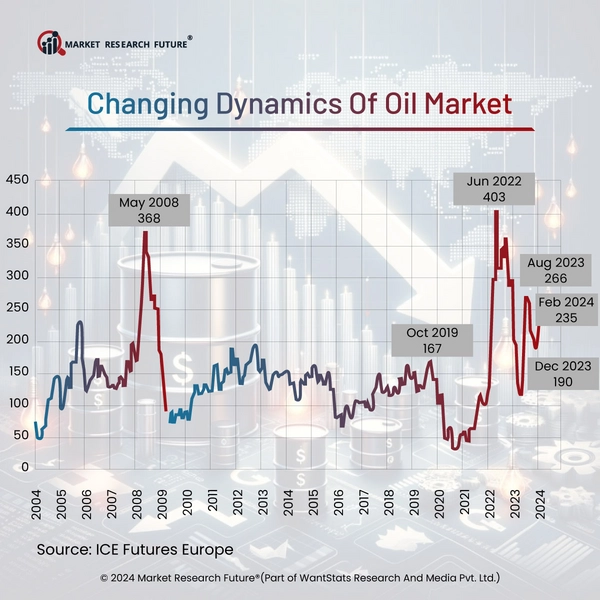
Recent trends in the global Brent and West Texas Intermediate (WTI) benchmarks have likely informed the NDRC’s decision. Geopolitical tensions in oil-producing regions and strategic production cuts often lead to a tightening of global supply. When the global supply curve shifts left, the average price of refined products rises, triggering the NDRC’s adjustment mechanism.
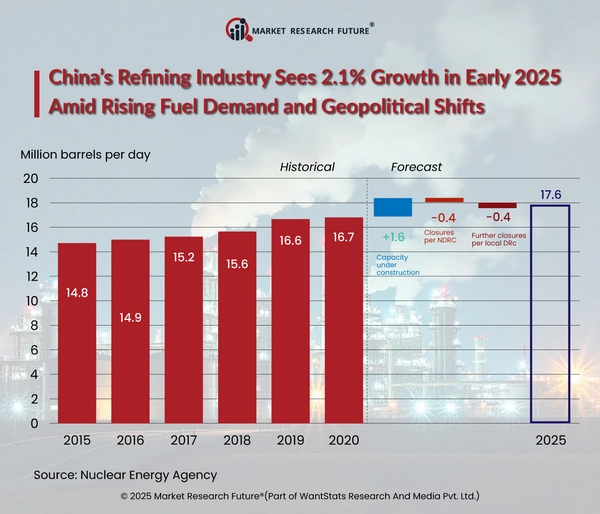
the interplay between the U.S. Dollar and the Chinese yuan plays a critical role. Since crude oil is priced globally in dollars, a weakening yuan can make oil imports more expensive in local currency terms, even if the global price per barrel remains flat. This “currency effect” adds another layer of volatility to the domestic pricing formula.
Industry analysts often point to the “energy transition” as a long-term hedge. China’s aggressive push into renewable energy and the world-leading adoption of New Energy Vehicles (NEVs) are strategic moves to reduce this vulnerability. By decreasing the economy’s reliance on imported hydrocarbons, China aims to decouple its domestic inflation rates from the whims of global oil volatility.
Comparative Impact: Gasoline vs. Diesel
It is essential to distinguish between the impact on gasoline and diesel, as they serve different sectors of the economy. Gasoline price hikes primarily affect private consumption and urban mobility. Diesel, however, is the lifeblood of the industrial and agricultural sectors.
When diesel prices rise, the impact is felt more acutely in the “real economy.” Farming equipment, shipping vessels, and construction machinery all rely on diesel. A sustained increase in diesel costs can lead to higher food prices, as the cost of tilling, harvesting, and transporting crops rises. This makes the “seventh increase” particularly concerning for food security and price stability in rural provinces.
Historically, the NDRC has sometimes applied different adjustment magnitudes to gasoline and diesel to protect specific sectors. However, the current trend of frequent hikes suggests a broad-based increase in the cost of refined products across the board, leaving few sectors untouched.
What Happens Next?
The immediate focus for market participants will be the next ten-business-day window. Because the pricing mechanism is transparent and based on historical averages, analysts can often predict the direction of the next move by monitoring the current spot prices of refined products in hubs like Singapore.
If international prices stabilize or dip, the NDRC may implement a price cut in the coming weeks to offset the current surge. However, given the current geopolitical climate and the structural demand for energy during peak industrial cycles, the risk of further volatility remains high.
For those looking to track these changes, the official announcements are posted directly by the National Development and Reform Commission. Businesses are encouraged to review their fuel hedging strategies and logistics contracts to account for the possibility of continued price instability through the second quarter of 2026.
The next scheduled pricing window will conclude in late May, at which point the NDRC will determine if the domestic market requires an eighth adjustment or a much-needed period of stabilization.
Do you think the transition to electric vehicles is happening fast enough to shield the economy from these oil shocks? Share your thoughts in the comments below or share this analysis with your professional network.