
Diplomatic relations between Canada and China currently require sophisticated, high-level engagement as both nations navigate a period of significant geopolitical friction. The bilateral relationship, historically defined by extensive trade and people-to-people ties, faces ongoing challenges stemming from national security concerns, allegations of foreign interference, and diverging approaches to international law, according to the Global Affairs Canada policy framework on China.
The current state of affairs necessitates a strategy of “pragmatic diplomacy,” a term frequently used by officials to describe the balance between maintaining critical economic links and addressing systemic security risks. While trade remains a pillar of the relationship, the Canadian government has increasingly emphasized the need for a “de-risking” strategy, particularly regarding critical minerals and sensitive technologies, as outlined in the Canadian Critical Minerals Strategy.
PHOTO SPENCER COLBY, ARCHIVES AGENCE FRANCE-PRESSE. Le ministre des Affaires étrangères de Chine.
The Evolution of Bilateral Tensions
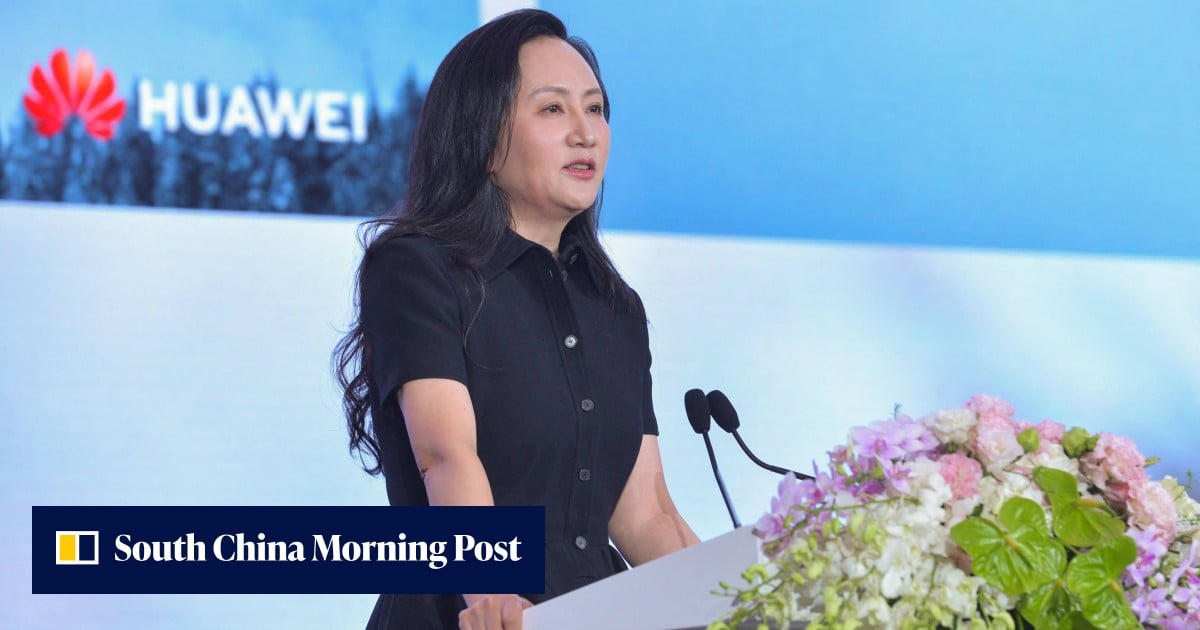
The cooling of relations between Ottawa and Beijing became pronounced following the 2018 arrest of Huawei executive Meng Wanzhou in Vancouver and the subsequent detention of Canadians Michael Kovrig and Michael Spavor in China. Although those specific cases were resolved in 2021, the diplomatic environment remains strained. According to the Public Safety Canada reports on foreign interference, allegations regarding attempts to influence Canadian democratic processes have further complicated the dialogue.

For observers of global markets, the friction manifests in regulatory hurdles. China remains Canada’s second-largest trading partner, yet Canadian businesses face an increasingly complex environment. The Indo-Pacific Strategy, released by the federal government in November 2022, explicitly identifies China as an “increasingly disruptive global power.” This document serves as the primary roadmap for how Canada intends to interact with Beijing, balancing cooperation on global issues like climate change with firm opposition to actions perceived as undermining the rules-based international order.
Strategic Priorities for High-Level Diplomacy
Effective diplomacy requires clear communication channels even when fundamental interests diverge. Foreign ministers from both nations have engaged in periodic meetings, though these sessions often highlight the distance between the two governments’ positions. The Chinese Ministry of Foreign Affairs frequently emphasizes the importance of mutual respect and non-interference in internal affairs, while Canadian officials consistently raise concerns regarding human rights, specifically in Xinjiang and Hong Kong, as documented in United Nations human rights assessments.

The economic stakes remain high. Canada’s export sector, particularly in agriculture, forestry, and energy, is sensitive to shifts in Chinese trade policy. In recent years, Beijing has implemented various trade-related measures, such as the temporary suspension of imports of Canadian canola and meat products, which were later lifted. These incidents serve as reminders of the vulnerability of Canadian exporters to broader diplomatic disputes.
The Path Forward: Managing Complexity
Future interactions will likely be defined by a “managed competition” model. This approach involves protecting domestic infrastructure and data security while seeking dialogue on global challenges such as pandemic preparedness and environmental sustainability. According to the 2024 Defence Policy Update, the Canadian government intends to increase its presence in the Indo-Pacific region, a move that Beijing has historically viewed with skepticism.
The challenge for diplomats is to prevent these regional security maneuvers from escalating into full-scale economic decoupling. Business leaders are closely watching for signs of stability, as any sudden change in regulatory status or trade access can have immediate impacts on supply chains. Canadian firms are encouraged by the government to diversify their markets, a policy shift that gained momentum following the supply chain disruptions of the COVID-19 pandemic and the subsequent increase in geopolitical volatility.
Key Considerations for Stakeholders
For those monitoring these developments, the following areas remain critical:
- Critical Minerals: Ongoing efforts to exclude state-owned enterprises from certain investments in Canadian mining projects, as mandated by the Investment Canada Act.
- Trade Diversification: The shift toward prioritizing trade agreements with other Indo-Pacific nations to reduce reliance on the Chinese market.
- Communication Channels: The frequency and tone of ministerial-level meetings, which act as a barometer for the overall health of the relationship.
The next major checkpoint for these relations will likely be the upcoming G20 summit and other multilateral forums, where leaders have historically held side-line meetings to address bilateral grievances. These venues remain the most reliable platforms for managing the high-stakes diplomacy required between Ottawa and Beijing. Please share your thoughts on the impact of these policies on global trade in the comments section below.