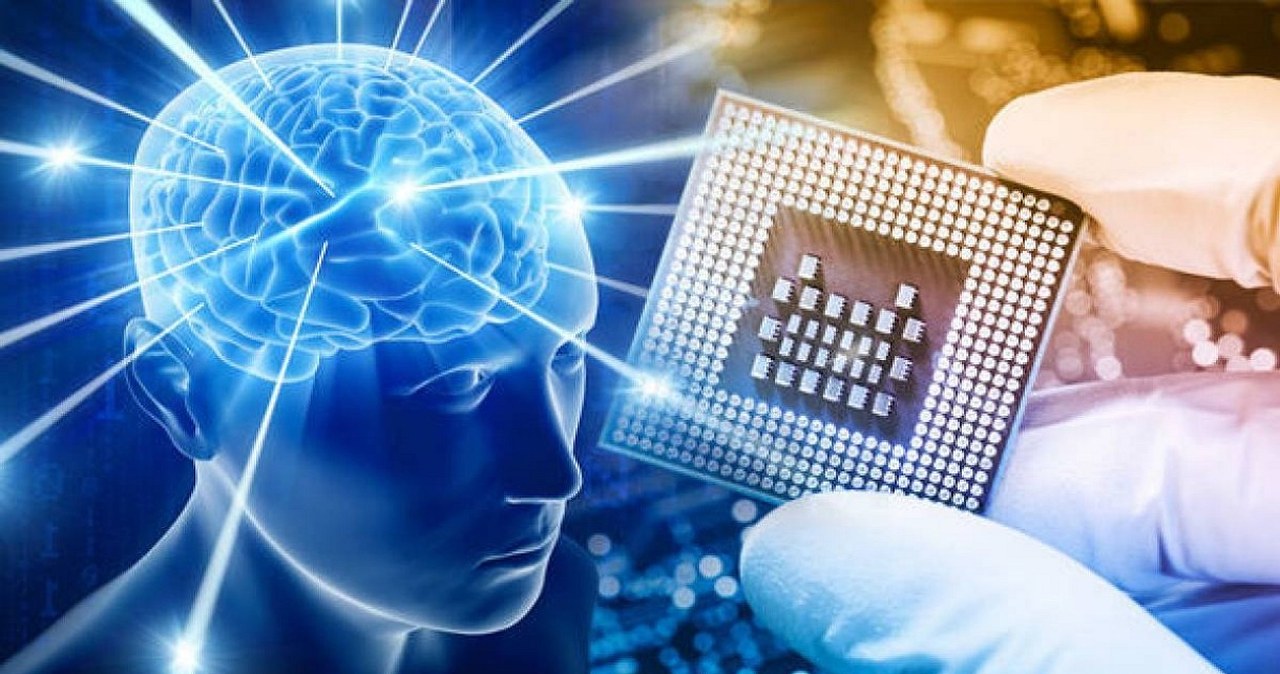
The boundary between human cognition and digital execution is undergoing a profound transformation. For decades, the concept of a direct link between the human brain and external computing devices was the exclusive domain of science fiction. Today, that boundary is being systematically dismantled by the convergence of neurotechnology and artificial intelligence (AI). As researchers in China accelerate human clinical trials for advanced brain-computer interfaces (BCIs), the world is witnessing a pivotal moment: the era of AI-enhanced neural implants is no longer a distant prospect, but a burgeoning medical reality.
At the heart of this evolution is the integration of sophisticated machine learning algorithms designed to bridge the gap between biological neurons and silicon chips. While traditional neuroprosthetics relied on relatively simple signal processing, the new generation of AI brain implants utilizes deep learning to decode the immense complexity of human thought. This capability allows for much higher precision in translating neural spikes into digital commands, potentially offering unprecedented autonomy to patients suffering from paralysis or neurodegenerative diseases.
The recent push toward human testing in China marks a significant escalation in the global neurotechnology race. Driven by substantial state investment and a rapidly expanding ecosystem of biotech startups, Chinese research institutions are moving aggressively from animal models to human subjects. This development follows a broader global trend—seen also in the United States with companies like Neuralink—to move BCI technology out of the laboratory and into clinical environments where it can address real-world medical needs.
The Mechanics of Thought: How AI Decodes Neural Signals
To understand why the integration of AI is so revolutionary, one must first understand the sheer volume of data generated by the human brain. A single brain implant can record signals from hundreds or even thousands of individual neurons. Each neuron fires in complex, non-linear patterns that are nearly impossible for traditional mathematical models to interpret in real-time.
What we have is where artificial intelligence becomes the essential “translator.” Modern BCI systems employ neural networks—specifically recurrent neural networks (RNNs) and transformers—to analyze these massive datasets. These AI models are trained to recognize specific patterns of neural activity that correspond to intentional movements or thoughts. For example, when a patient imagines moving their right hand, the AI identifies the unique “signature” of that thought and instantly converts it into a command for a robotic limb or a computer cursor.
The “intelligence” in these implants does not reside in a sentient entity entering the brain, but rather in the software’s ability to perform high-speed, high-fidelity pattern recognition. This allows the device to adapt to the user over time. As the brain undergoes neuroplasticity—the process by which the brain reorganizes itself—the AI can recalibrate its decoding algorithms, ensuring that the interface remains accurate even as the user’s neural patterns shift.
China’s Neurotechnology Landscape and Clinical Ambitions
The acceleration of BCI human trials in China represents a strategic pivot toward dominating the next frontier of medical technology. The Chinese approach is characterized by a unique synergy between top-tier academic institutions, such as Tsinghua University, and a growing number of private neurotech firms. These entities are focusing on two primary tracks: invasive implants and non-invasive interfaces.
Invasive BCI systems involve the surgical implantation of microelectrode arrays directly into the motor cortex or other relevant brain regions. While the surgical risks are higher, the signal quality is vastly superior, providing the high-bandwidth data required for complex tasks like controlling a multi-fingered robotic hand. Reports from the region indicate a growing emphasis on refining these surgical procedures and improving the biocompatibility of the electrodes to prevent the body’s immune response from degrading the signal over time.
Simultaneously, there is significant research into “minimally invasive” or non-invasive interfaces. These systems, which might use high-density EEG (electroencephalography) or specialized sensors placed on the scalp, aim to provide a safer, more accessible way for a larger population of patients to benefit from neurotechnology. However, the current challenge remains the “signal-to-noise” ratio; without the direct contact of an implant, the AI must work much harder to filter out the electrical “noise” of the skull and hair to find the meaningful neural data underneath.
The Global Race: BCI Competition and Cooperation
The movement toward human trials in China is part of a broader, high-stakes competition for neurotechnology leadership. The United States currently holds a significant lead in terms of private capital and high-profile commercial ventures. Companies like Neuralink and Synchron have set the pace for clinical milestones, with Synchron notably focusing on endovascular BCI—a method that avoids open-brain surgery by delivering the device through the blood vessels.
However, China’s ability to scale research through centralized planning and massive data sets offers a different kind of competitive advantage. The sheer volume of clinical data generated during large-scale trials can be used to train even more robust AI models, potentially allowing Chinese-developed systems to achieve higher levels of accuracy more rapidly. This creates a bifurcated landscape: Western innovation is largely driven by venture capital and specialized medical startups, while Chinese innovation is heavily integrated with national strategic goals for biotechnology.
Despite this competition, the scientific community remains focused on the shared goal of therapeutic breakthrough. The underlying neurophysiology being studied in Beijing, San Francisco, or London is the same. This shared scientific foundation suggests that while the commercial and geopolitical competition is intense, the fundamental knowledge gained from these human trials will likely form the basis of a global medical standard for BCI technology.
Ethical Frontiers: Privacy, Identity, and Neuroethics
As we move closer to a reality where AI and human cognition are physically linked, the ethical implications become increasingly complex. The prospect of “AI entering the head” raises profound questions about the sanctity of the human mind and the nature of individual identity.
- Neural Privacy: If an AI can decode your intentions to move a limb, can it also decode your emotions, subconscious biases, or private thoughts? The protection of “brain data” is becoming a critical new field of digital rights.
- Agency and Responsibility: If a person using an AI-driven BCI performs an action—such as accidentally striking someone with a robotic arm—who is responsible? Is it the user, the programmer of the AI, or the manufacturer of the hardware?
- Cognitive Enhancement: While current research focuses on restorative medicine (helping the paralyzed), the technology could eventually be used for enhancement. This raises concerns about social inequality and the potential for a “neuro-divide” between those who can afford cognitive upgrades and those who cannot.
- Biocompatibility and Long-term Safety: The physical presence of electrodes in the brain carries risks of infection, inflammation, and tissue scarring. Ensuring the long-term stability of these implants is a primary hurdle for clinical adoption.
Neuroethicists are calling for international frameworks to govern the development and use of these technologies. As clinical trials progress, the consensus is that the “right to mental privacy” must be established as a fundamental human right in the digital age.
Key Takeaways: The State of AI-Driven BCI
| Feature | Traditional BCI | AI-Enhanced BCI |
|---|---|---|
| Signal Interpretation | Linear mathematical models | Deep learning & Neural networks |
| Adaptability | Static; requires manual recalibration | Dynamic; learns from user neuroplasticity |
| Precision | Low to Moderate | High (complex motor control) |
| Primary Use Case | Basic cursor movement | Complex limb/device control |
What Happens Next?
The trajectory of brain-computer interface technology is moving from “proof of concept” to “clinical utility.” The next few years will be defined by the results of ongoing human trials in both China and the United States. We expect to see more rigorous data regarding the long-term safety of invasive implants and the successful integration of BCI systems into standard rehabilitative care for patients with spinal cord injuries and ALS.

Watch for upcoming regulatory filings from major neurotech firms and official announcements from national health agencies regarding the approval of BCI-based medical devices. These milestones will signal the transition of AI brain implants from experimental breakthroughs to mainstream medical interventions.
What do you think about the merging of AI and the human brain? Is the potential for medical recovery worth the ethical risks to privacy? Share your thoughts in the comments below and share this article with your network.
Worth a look