
China currently maintains a dominant position as the global leader in solar energy manufacturing and technological innovation, producing over 80% of the world’s solar panel components. According to the International Energy Agency (IEA), this concentration of production capacity has significantly driven down the global costs of solar photovoltaics (PV) over the past decade, though it has also prompted international concerns regarding supply chain security and market reliance.
As the Editor for the World section at World Today Journal, I have tracked the rapid industrialization of China’s renewable sector for over a decade. The transition from a peripheral manufacturing hub to the epicenter of global solar research and development is not merely a result of state subsidies, but a sustained strategy of vertical integration. This dominance spans the entire value chain, from polysilicon refining and ingot production to the assembly of high-efficiency modules.
The Architecture of Global Solar Dominance
The scale of China’s solar industry is unprecedented in the history of renewable energy. By the end of 2023, China accounted for more than 80% of all stages of solar panel manufacturing, including polysilicon, wafers, cells, and modules, as reported by the IEA’s 2024 supply chain review. This concentration is supported by massive industrial clusters, particularly in provinces like Jiangsu, Zhejiang, and Anhui, where specialized zones facilitate rapid logistics and resource sharing.
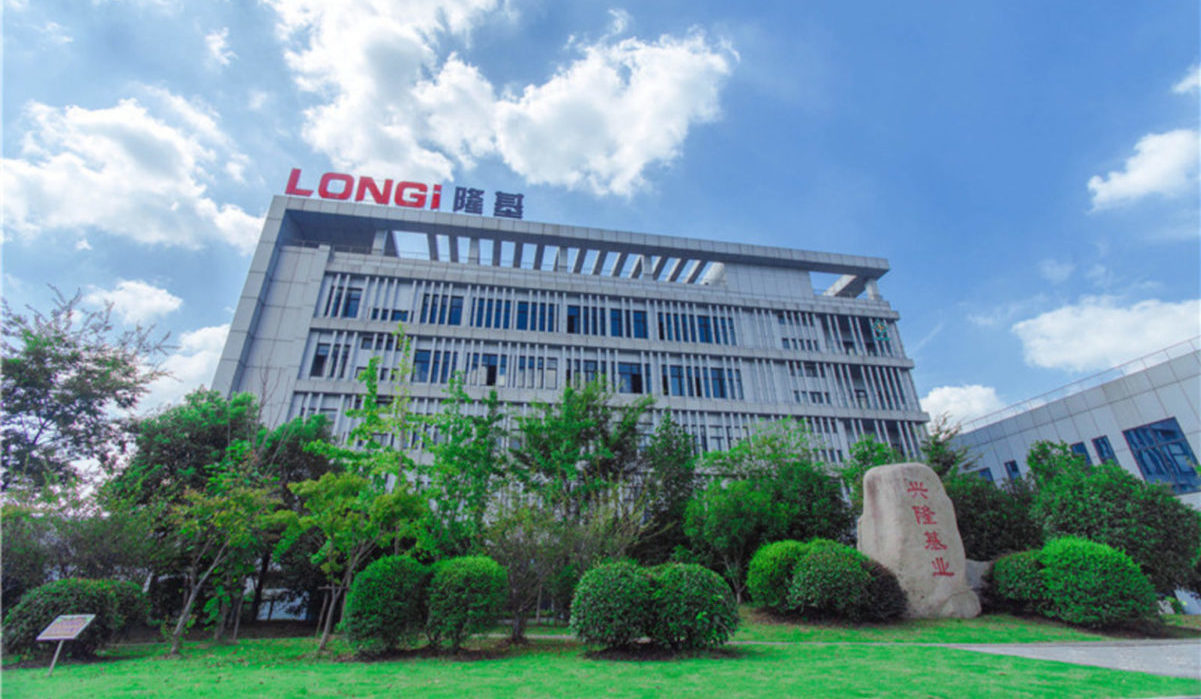
Government policy has acted as the primary catalyst. Under the 14th Five-Year Plan, Beijing identified renewable energy technology as a “strategic emerging industry,” providing low-cost financing, tax incentives, and land grants to major manufacturers. Companies such as Longi Green Energy Technology and JinkoSolar have leveraged these conditions to achieve economies of scale that are difficult for competitors in Europe or North America to replicate without similar state-level interventions.
Technological Innovation and R&D Investment
Beyond sheer volume, China has increasingly become the primary source of technological breakthroughs in solar efficiency. Chinese firms have consistently set new world records for the conversion efficiency of silicon-based solar cells. According to the National Renewable Energy Laboratory (NREL), many of the leading-edge cell architectures—such as TOPCon (Tunnel Oxide Passivated Contact) and heterojunction cells—are now being mass-produced in China at costs that set the global market benchmark.

This shift represents a departure from the industry’s early years, when Chinese manufacturers were primarily seen as low-cost assemblers of Western-designed technology. Today, the country hosts the largest number of solar-related patents globally. Research institutions, such as those affiliated with the Chinese Academy of Sciences, collaborate closely with private enterprises to accelerate the commercialization of perovskite-silicon tandem cells, which could potentially push solar efficiency beyond the theoretical limits of standard silicon panels.
Global Economic Consequences and Supply Chain Security
The concentration of solar production in a single geographic region has triggered a shift in global trade policy. In the United States and the European Union, policymakers are increasingly viewing solar energy as a matter of national security rather than just a climate solution. The U.S. government, through the Inflation Reduction Act of 2022, has introduced tax credits and incentives aimed specifically at incentivizing domestic solar manufacturing to reduce dependency on Chinese imports, as noted by the U.S. Department of Energy.
Conversely, the European Union has implemented a variety of trade measures, including anti-dumping duties in the past and current investigations into potential subsidies that may distort market competition. Despite these efforts to diversify, the sheer efficiency and cost-advantage of Chinese solar products remain the primary driver of global deployment. For many developing nations, the affordability of Chinese solar hardware is the deciding factor in meeting national electrification goals.
Future Outlook and Market Adjustments
The next phase of the solar industry will likely be defined by the tension between global decarbonization targets and the push for “de-risking” energy supply chains. International energy markets are currently monitoring how China’s domestic overcapacity—a situation where production capability exceeds current global demand—will affect pricing and trade relations in the coming 24 months.
As of mid-2024, industry analysts are watching for updates from the International Renewable Energy Agency (IRENA) regarding global capacity additions and potential shifts in manufacturing geography. While Southeast Asian nations have emerged as significant assembly hubs for Chinese-owned firms, the core components remain heavily reliant on Chinese raw materials and technical expertise. The trajectory of this industry remains a central pillar of the global climate transition, with the next major assessment of international supply chain resilience expected in the final quarter of 2024. Readers interested in the latest trade filings and policy updates are encouraged to follow official notices from the World Trade Organization and national energy ministries.
We welcome your perspective on how global energy markets should balance manufacturing efficiency with supply chain diversity. Please share your thoughts in the comments section below.
Keep reading
- Metalworking Technician Job at Caterpillar – Pontiac, IL
- 2026 Pan Pacific Swimming Championships Open in Irvine With Star U.S. Roster
- Pax Silica: Driving Economic Growth and Industrial Development in Central Luzon (archyworldys.com)
- AI Agents and Scientific Discovery Shape Tech News (newsdirectory3.com)