
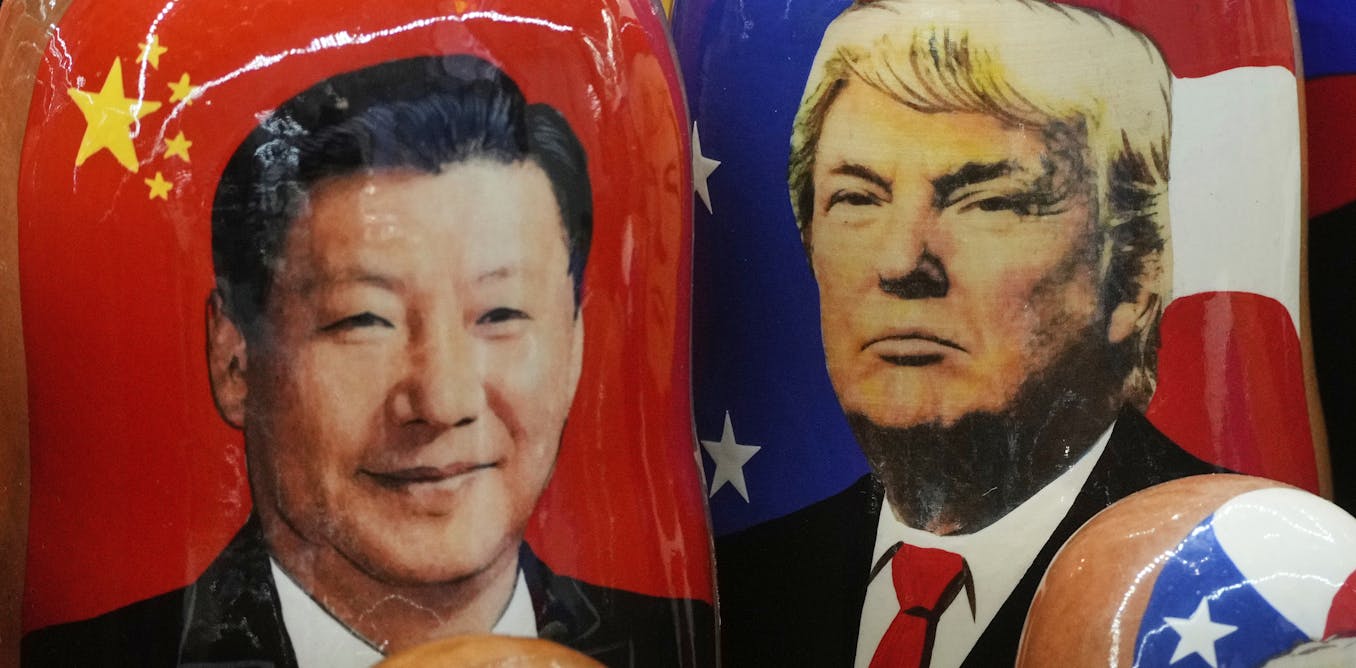
The Shifting Sands of Geopolitics: How a Second Trump Management Would Navigate China and russia
The global landscape has dramatically changed since Donald trump’s first term in office.A return to the White House wouldn’t find the same geopolitical playing field. This analysis examines how a second Trump administration would likely approach China and russia, considering the evolved dynamics and inherent challenges.
A Different tariff Landscape: The New reality with China
During the initial Trump years, tariffs were a tool selectively applied.Now, they’ve become a widespread feature of the international trade environment, and Trump has signaled a desire for universal tariff application. This fundamentally alters the negotiating leverage.
Previously, the threat of U.S. tariffs could incentivize allies to join pressure campaigns against China. Now, with tariffs already in place across the board, that incentive is diminished. Consider the United Kingdom.
* The first Trump administration successfully pressured the UK to ban Huawei from its telecommunications infrastructure.
* This pressure was exerted without existing U.S. tariffs on the UK.
* Today, a 10% U.S. tariff, while modest, adds another layer of complexity when seeking cooperation from allies.
Furthermore, global supply chains have become demonstrably more fragile. China’s control over critical resources, like rare earth materials, has become increasingly apparent. Beijing has strategically deepened its integration into global supply chains, making it harder for the U.S.to exert pressure on American companies.
Take Apple as a prime example. While the company has diversified some iPhone production to India, a move encouraged by the previous administration, the vast majority of component production and assembly remains in China. This is due to the unmatched precision and scale currently available there. You’ll find it difficult to replicate that infrastructure quickly.
Russia: A Continued Balancing Act for Beijing
China’s relationship with Russia hasn’t fundamentally shifted since Trump’s first term. Beijing continues to prioritize its own interests, largely disregarding U.S. opinions.
It’s crucial to remember the timeline of events:
- Russia annexed Crimea in 2014 and engaged in conflict in Georgia in 2008 – before Xi Jinping and Donald Trump last met.
- China abstained from key UN votes regarding Crimea, never acknowledging the annexation.
- This pattern continues today with China refusing to recognize Russia’s claims over occupied parts of eastern Ukraine.
China maintains a carefully balanced position. Its primary goal is to avoid alienating Russia, a growing market for Chinese goods. It provides Russia with technology – some with potential military applications – and energy resources, but always on favorable terms. Don’t expect any ”mate’s rates” from Beijing.
china benefits from a stable trade relationship with Russia and views the relative warmth between the Trump administration and Moscow with cautious relief. A weakened, isolated Russia, reliant on Chinese goods, serves Beijing’s strategic interests.
Implications for a Second Trump Term
A second Trump administration will face a more complex reality than its first. Here’s what you can expect:
* Reduced Leverage: The widespread use of tariffs limits the ability to use them as a negotiating tactic.
* Supply Chain Vulnerabilities: China’s dominance in key supply chains remains a important challenge.
* Russia-China Alignment: The deepening relationship between Russia and China presents a united front that’s difficult to counter.
* Focus on Bilateral Deals: Expect a continued emphasis on bilateral agreements, possibly at the expense of multilateral cooperation.
Ultimately, navigating these challenges will require a nuanced strategy. A successful approach will need to acknowledge the changed geopolitical landscape and prioritize strengthening alliances while addressing the underlying economic vulnerabilities that give China and Russia leverage.
Disclaimer: This analysis is based on publicly available information and expert assessments as of November 2, 2023. Geopolitical situations are fluid and subject to change.




