

China’s Demographic Shift: A Decade After the Complete of the One-Child Policy
Ten years ago, China formally ended its decades-long one-child policy, a sweeping social experiment that dramatically reshaped the nation’s demographics. While the policy aimed to curb population growth and alleviate resource pressures, it has left a lasting legacy of an aging population and a shrinking workforce. Recent reporting from Rudong, a coastal city in Jiangsu province, offers a stark preview of the challenges facing China as it grapples with the consequences of this demographic shift. The city, where the one-child policy was initially tested, now has a population where 40 percent of residents are over the age of 60, signaling a broader trend across the country.
The end of the one-child policy, enacted in 2016, was a response to growing concerns about a looming demographic crisis. A declining birth rate threatened to undermine economic growth and strain the country’s social security system. Though, despite the policy change and subsequent efforts to encourage larger families, China’s population has continued to shrink. In 2023, China recorded a population decrease for the second consecutive year, falling by 2.08 million people, according to data released by the National Bureau of Statistics. This marks the largest population decline since 1961.
The Rudong Example: A Glimpse into China’s Future
Rudong, a county-level city in Jiangsu province, provides a microcosm of the broader demographic challenges facing China. As the location where the one-child policy was first implemented, the city is now experiencing a particularly acute aging crisis. A recent report highlighted the efforts of local residents to maintain a sense of community and vitality through activities like dance groups, despite the physical limitations that arrive with age. These groups, comprised largely of seniors, demonstrate a determination to remain active and engaged, but also underscore the growing proportion of elderly citizens within the population.
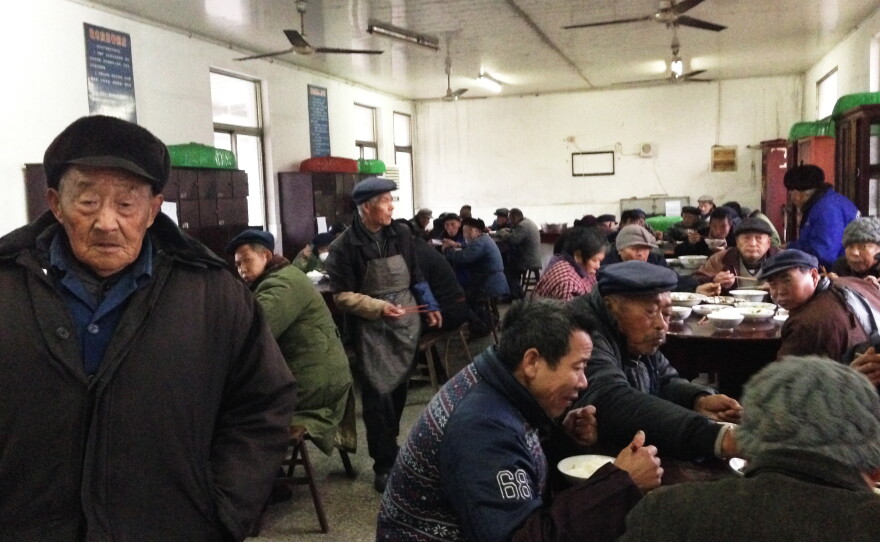
The demographic imbalance in Rudong and other regions is not simply a matter of age distribution. It also reflects the long-term consequences of the one-child policy on family structures. Many individuals born during the one-child era are now facing the dual responsibility of caring for their aging parents while also navigating the challenges of raising their own children, often without the support of siblings. This “4-2-1” phenomenon – four grandparents, two parents, and one child – places a significant financial and emotional burden on the younger generation.
Economic and Social Implications of a Shrinking Workforce
China’s demographic shift has profound implications for its economic future. A shrinking workforce could lead to labor shortages, reduced productivity, and slower economic growth. The decline in the working-age population also puts pressure on the social security system, as fewer workers are available to contribute to pensions and healthcare for a growing number of retirees. According to a report by the World Bank, China’s working-age population (ages 15-64) peaked in 2015 and has been declining ever since.
The government has implemented various measures to address the declining birth rate, including relaxing family planning restrictions, offering financial incentives for having children, and improving childcare services. In January 2026, CNN reported that China is also considering measures to develop condoms and birth control pills more expensive, signaling a shift in policy towards encouraging larger families. However, these efforts have so far yielded limited results. Many young couples are hesitant to have more children due to the high cost of raising a family, the demands of modern life, and concerns about career advancement.
The Challenges Facing Young Families
Welkin Lei, a 30-year-old resident of Beijing, exemplifies the challenges facing young families in China. As reported by CNN, Lei and his wife are weighing the decision of whether to have a second child, carefully considering the financial implications of childcare and the future costs of caring for their own aging parents. This situation is increasingly common among young Chinese couples, who are grappling with the economic pressures of supporting both their children and their parents.

The cost of raising a child in China is substantial, encompassing expenses such as education, healthcare, and extracurricular activities. The traditional expectation that adult children will provide financial and emotional support to their parents adds to the financial burden. These factors contribute to a declining birth rate, as young couples prioritize financial stability and career goals over having larger families.
Government Responses and Future Outlook
Recognizing the severity of the demographic crisis, the Chinese government has taken steps to address the issue. In addition to relaxing family planning restrictions and offering financial incentives, the government is also investing in programs to improve childcare services and support elderly care. However, experts suggest that more comprehensive and sustained efforts are needed to reverse the declining birth rate and mitigate the long-term consequences of an aging population.
The government’s efforts to boost the birth rate are facing significant headwinds. Changing social norms, rising living costs, and the increasing demands of modern life all contribute to the reluctance of young couples to have more children. The legacy of the one-child policy has created a demographic imbalance that will take decades to correct. The long-term impact of these trends on China’s economic growth, social stability, and global influence remains to be seen.
The situation in Rudong serves as a critical case study, illustrating the challenges and potential consequences of China’s demographic transformation. As the population ages and the workforce shrinks, China will need to adapt its economic and social policies to ensure sustainable growth and maintain its position as a global economic power. The success of these efforts will depend on the government’s ability to address the concerns of young families, provide adequate support for the elderly, and foster a more balanced and sustainable demographic future.
The National Bureau of Statistics is scheduled to release updated population data in January 2027, providing a further assessment of the demographic trends shaping China’s future. Continued monitoring of these trends and the effectiveness of government policies will be crucial for understanding the long-term implications of China’s demographic shift.
What are your thoughts on China’s demographic challenges? Share your comments below and let us know how you think the country can address these issues. Don’t forget to share this article with your network to raise awareness about this important topic.