Foreign journalists in China are facing an increasingly restrictive environment. Vivian Wang, a correspondent, was expelled from China as part of Beijing’s crackdown on foreign journalists. She explains how a pressure campaign by the authorities made it challenging to do her job.
The challenges facing international media are part of a broader shift in Beijing’s approach to foreign press coverage. These administrative obstacles serve as a mechanism for authorities to influence the narrative of foreign news outlets.
The Mechanics of Press Restrictions in China
For many international reporters, the path to expulsion begins with the denial of visa extensions or the refusal of the Ministry of Foreign Affairs to renew essential press credentials. Without these documents, foreign nationals are legally prohibited from working as journalists in China.
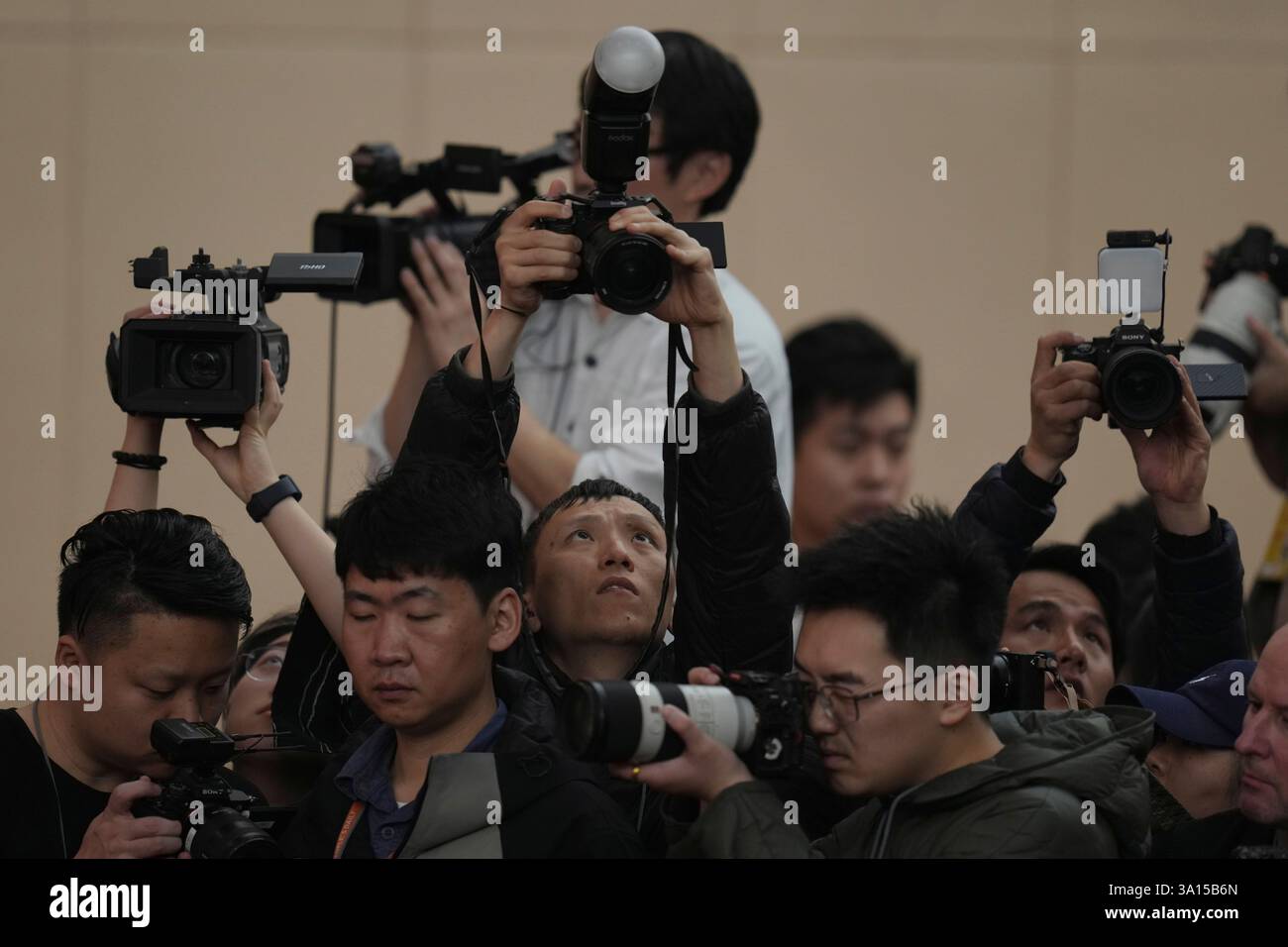
The pressure campaign often involves more than just administrative delays. Correspondents have reported instances of being followed, questioned by local security officials, and subjected to intimidation tactics.
Impact on Global Information Flows
The reduction in the number of foreign correspondents in China has significant implications. With fewer reporters on the ground, coverage often becomes more centralized in major hubs, limiting the ability of news organizations to provide comprehensive, on-the-ground reporting from across the country.
The environment is particularly challenging for those reporting on topics deemed “sensitive” by the Chinese government. Journalists are often warned that their reporting could have consequences for their visa status. This creates a chilling effect, where news organizations may self-censor to avoid the loss of their remaining staff on the ground.
Looking Ahead: The Future of Foreign Reporting
As of late 2024, there are no indications that the regulatory environment for foreign media in China will ease. The Ministry of Foreign Affairs maintains that all foreign journalists must comply with Chinese law and regulations, which includes the requirement for valid press credentials. For newsrooms, this means the challenge remains to maintain a presence in the country while navigating an increasingly unpredictable legal and political landscape.
The next major checkpoint for many international media outlets involves the annual cycle of press card renewals, which typically occurs in the first quarter of the year. During this time, the status of several correspondents often remains in limbo, serving as a primary indicator of the government’s current stance toward specific outlets. As international media organizations continue to adapt to these constraints, the reliance on satellite imagery, verified local data, and remote reporting techniques is expected to increase.
We invite our readers to join the conversation on these issues. How do you feel the reduction of on-the-ground reporting impacts your understanding of global events? Share your thoughts in the comments section below.
Worth a look
- UK Government Launches Review of ZEV Mandate and Electric Vehicle Sales Targets
- Chinese Censorship Seeps Into US AI Models, WSJ Reports
- Ex-TMC MLA Nirmal Ghosh Arrested for Hurried Cremation of RG Kar Rape-Murder Victim: Bengal Police Crack Down on Politicians” Key Tags: – Nirmal Ghosh – Ex-TMC MLA – RG Kar rape – hurried cremation – Bengal Police crackdown – Politician Arrested – Kolkata News – West Bengal Crime (archyworldys.com)
- How the New York Times Bestseller List Actually Works (daybreakwire.com)