
LONDON — In a notable shift in diplomatic representation during the ongoing Asia-Pacific Economic Cooperation (APEC) proceedings, China’s international trade representative, Li Chenggang, assumed the chair for Friday’s high-level discussions. The leadership change comes following the unexpected absence of China’s Commerce Minister, Wang Wentao, from the opening sessions of the meeting.
According to statements made during the session, Li Chenggang clarified that he would be presiding over the deliberations on behalf of the Ministry of Commerce. The substitution was necessitated by what officials described as “urgent official business” requiring the attention of Minister Wang, preventing his attendance at the scheduled opening.
While the absence of a senior cabinet official at a major multilateral forum often invites scrutiny regarding domestic priorities or geopolitical shifts, the transition to Li Chenggang—a seasoned figure in China’s international trade apparatus—appears aimed at ensuring the continuity of the nation’s economic agenda. For the Asia-Pacific region, where trade stability is paramount, the seamless continuation of China’s participation is a critical signal to global markets and partner economies.
A Shift in Leadership Amid Multilateral Negotiations
The APEC ministerial meetings serve as a vital platform for navigating the complexities of trans-Pacific trade, ranging from supply chain resilience to digital economy standards. The presence of a Commerce Minister typically underscores the highest level of political commitment to the outcomes of these discussions. However, the delegation’s ability to maintain its momentum remains intact under Li Chenggang’s stewardship.
Li, who possesses extensive experience in managing China’s complex trade relationships, is tasked with steering the delegation through a series of dense technical and political topics. His role in chairing the meeting suggests that while the ministerial-level presence has shifted, the substantive focus of China’s engagement—centered on trade facilitation and regional economic integration—remains unchanged.
The “urgent official business” cited for Minister Wang’s absence has not been further detailed by official channels, a common occurrence in high-level diplomatic communications where specific domestic or state matters are kept confidential. Nonetheless, the immediate priority for the delegation remains the advancement of China’s interests within the APEC framework, particularly as the organization seeks to address modern challenges in global commerce.
The Strategic Importance of APEC Cooperation
For China, APEC represents a cornerstone of its “open door” economic policy and a primary vehicle for engaging with the diverse economies of the Pacific Rim. The discussions currently underway are designed to foster a more predictable and efficient trading environment. This includes addressing the friction points in international commerce, such as regulatory alignment and the modernization of trade infrastructure.
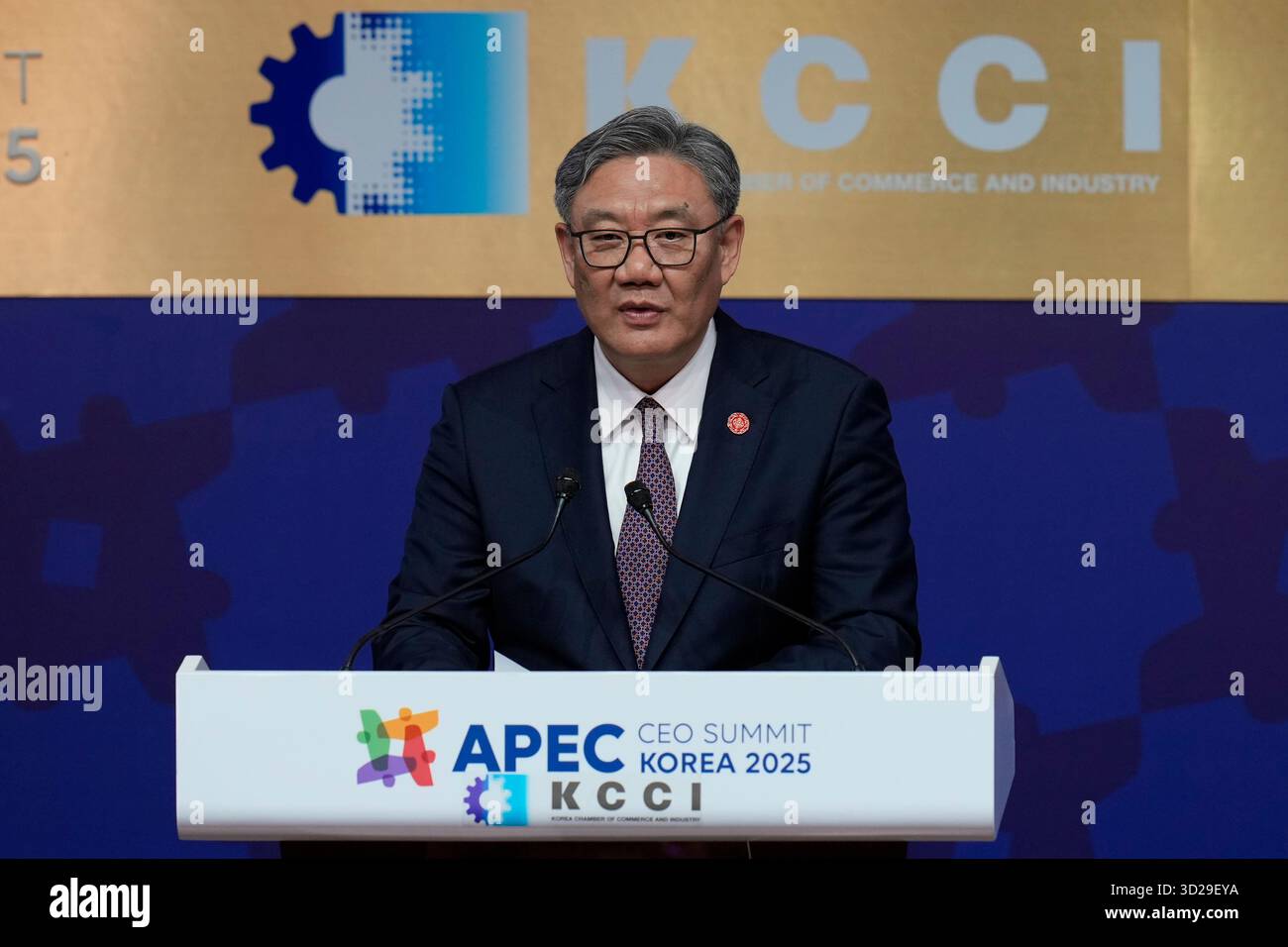
The call for increased cooperation within the APEC context is not merely a diplomatic formality; It’s a response to an increasingly fragmented global economic landscape. As nations grapple with shifting supply chains and the rise of digital trade, the ability of large economies like China to collaborate with regional partners on standardized protocols is essential for long-term growth.
Key areas of focus for the current cycle of meetings often include:
- Trade Facilitation: Streamlining customs procedures and reducing non-tariff barriers to enhance the flow of goods.
- Digital Economy Integration: Establishing frameworks for cross-border data flows and electronic commerce that balance security with innovation.
- Supply Chain Resilience: Developing collaborative mechanisms to mitigate the impact of regional and global disruptions.
- Sustainable Growth: Aligning economic expansion with environmental standards and green supply chain initiatives.
By emphasizing cooperation, China seeks to position itself as a stabilizing force in the region, advocating for a rules-based system that favors multilateral engagement over protectionist tendencies.
Market Implications and Economic Continuity
From a financial perspective, the substitution of a minister for a high-ranking trade representative is generally viewed by analysts as a procedural adjustment rather than a policy pivot. Markets tend to react more sharply to changes in stated policy or significant shifts in diplomatic posture than to the specific individuals occupying the chair, provided the institutional continuity is maintained.

The continuity provided by Li Chenggang ensures that China’s technical contributions to the APEC agenda—such as discussions regarding investment facilitation and the digital transformation of trade documents—proceed without interruption. For international investors and multinational corporations operating within the Asia-Pacific, the stability of China’s engagement in these multilateral forums is a key metric for assessing regional economic predictability.
As the meetings progress, the focus will shift from the leadership of the sessions to the actual text of the communiqués and the specific commitments made by member economies. The efficacy of China’s advocacy for regional cooperation will be measured by the degree to which its proposals are integrated into the final APEC consensus statements.
Key Takeaways: China’s APEC Representation
| Detail | Information |
|---|---|
| Presiding Official | Li Chenggang (International Trade Representative) |
| Absent Official | Wang Wentao (Commerce Minister) |
| Reason for Absence | Urgent official business |
| Primary Forum | APEC Ministerial Meetings |
| Core Objective | Advancing regional trade cooperation and economic integration |
As the APEC sessions continue, the international community will be watching closely to see how the themes of cooperation and trade facilitation are translated into actionable regional policy. While the absence of Minister Wang may draw initial interest, the technical substance of the negotiations will ultimately define the success of the delegation’s mission.
The next scheduled update regarding the outcomes of the APEC ministerial discussions is expected following the conclusion of the current session’s formal voting and communiqué drafting.
What are your thoughts on the evolving role of China within APEC? Do you believe technical representation is sufficient to maintain diplomatic momentum? Share your insights in the comments below and please share this article with your professional network.
Keep reading