
China’s Naval Reach Expands: Liaoning and Shandong Carrier Groups Breach the Second Island Chain
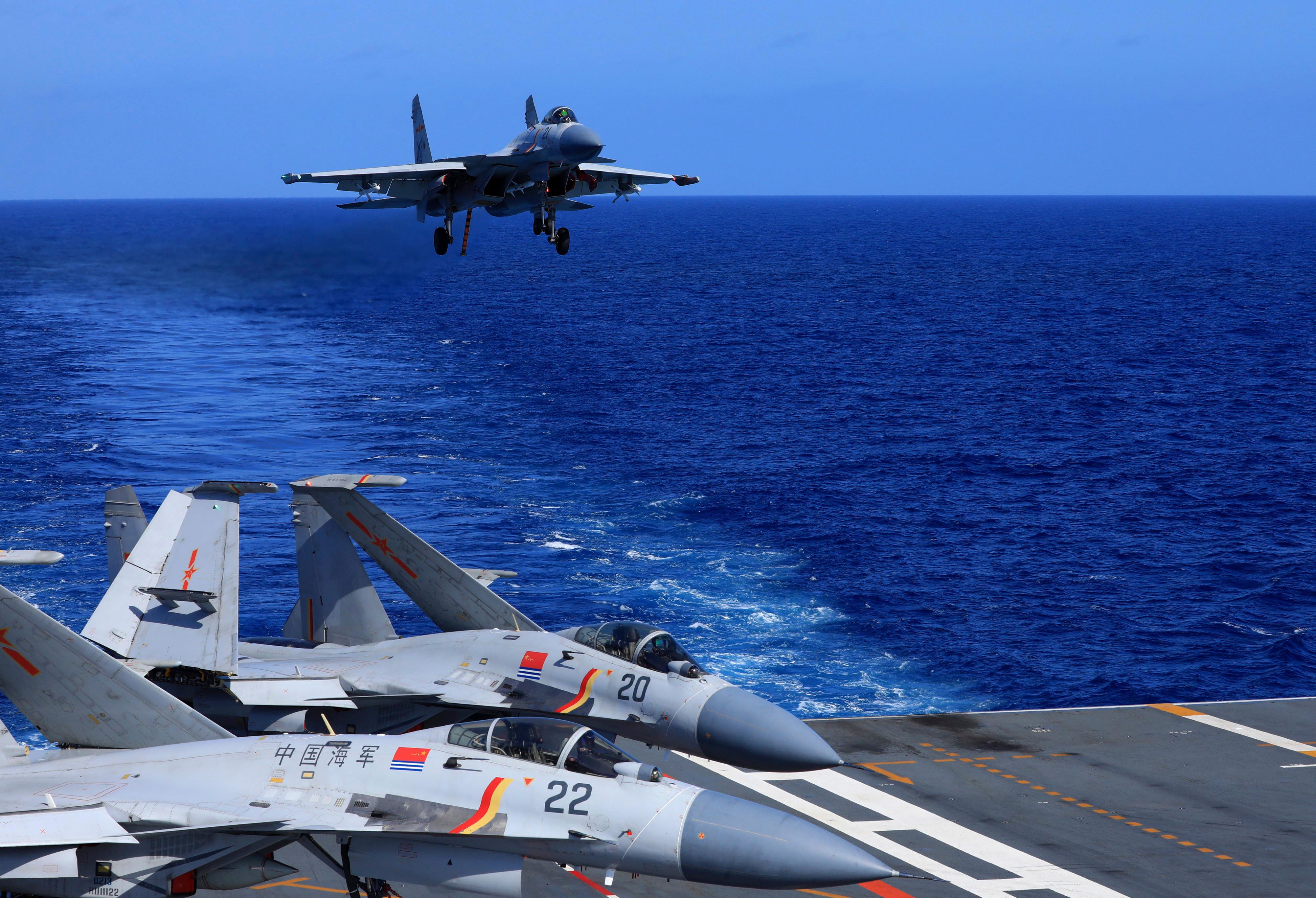
In a significant demonstration of maritime power, the People’s Liberation Army Navy (PLAN) has conducted unprecedented long-range operations in the West Pacific, marking a pivotal moment in China’s evolution toward a “blue-water” navy. The simultaneous deployment of the aircraft carriers Liaoning and Shandong beyond the second island chain has signaled a shift in regional naval dynamics, challenging long-standing strategic boundaries in the Pacific.
The coordinated movement of these two carrier strike groups represents one of the first instances where China has successfully projected dual-carrier combat power into the deep waters of the West Pacific. This maneuver is being closely monitored by regional powers, including Japan and the United States, as it highlights the increasing ability of the PLAN to conduct sustained, high-intensity operations far from the Chinese mainland.
A Dual-Carrier Milestone in the West Pacific
The deployment, which gained significant attention in mid-2025, saw the Liaoning and Shandong carrier groups operating in tandem in areas previously considered beyond the primary reach of regular Chinese carrier exercises. According to maritime observations, the Liaoning was positioned near the waters surrounding Minamitorishima starting in early June, while the Shandong moved toward the north side of Okinotorishima on June 9.

The presence of the Shandong near Okinotorishima placed the Chinese vessel within Japan’s Exclusive Economic Zone (EEZ), at a distance estimated to be between 1,200 and 1,700 kilometers from Tokyo. This positioning is particularly notable as it marks the first time both carriers have operated simultaneously east of the second island chain, a move that analysts suggest is intended to demonstrate the PLAN’s capacity for long-range, blue-water operations.
For Japan, the movement has necessitated increased vigilance. The Japan Self-Defense Forces have been actively monitoring the movement of carrier-based aircraft in the vicinity of Minamitorishima, where the Liaoning has been observed operating southwest of the island. The ability of the PLAN to maintain a presence in these remote maritime sectors suggests a growing proficiency in managing the logistical and operational challenges of far-sea deployments.
Operational Scale and Tactical Drills
The exercises conducted by the carrier groups were not merely symbolic transit maneuvers; they involved rigorous, “combat-style” training modules. Reports indicate that the joint exercises included a variety of critical naval disciplines, such as reconnaissance, air defense, and counterstrike drills. These exercises were designed to test the integration of the carrier strike groups with other naval assets in a high-stakes environment.
The intensity of the flight operations was substantial. During these limited-support maritime drills, the total number of aircraft sorties—including takeoffs and landings—approached 520. This high volume of flight activity serves as a metric for the PLAN’s ability to maintain high-tempo air operations while operating at a significant distance from domestic replenishment facilities.
The scale of these drills underscores a transition from coastal defense-oriented training to true expeditionary warfare capabilities. By conducting reconnaissance and air defense drills in the West Pacific, the PLAN is demonstrating its ability to secure maritime lanes and establish operational bubbles far from its home ports.
Strategic Implications: Redefining Regional Security
The breakthrough of the second island chain carries profound implications for the security architecture of the Pacific. For decades, the “island chain” strategy—comprising the first and second chains—has served as a foundational concept for containing maritime expansion in the region. The recent movements of the Liaoning and Shandong suggest that China is actively seeking to bypass or neutralize these traditional barriers.
Military analysts have noted that these operations add a layer of extreme complexity to any potential U.S. Efforts to assist or defend Taiwan. As the PLAN demonstrates the ability to operate in the deep waters of the West Pacific, the geographic advantages traditionally held by regional allies may be diminished. The expansion of China’s carrier reach means that the theater of potential conflict is no longer confined to the immediate vicinity of the Taiwan Strait but extends much further into the open ocean.
Christopher Sharman, Director of the China Maritime Studies Institute at the U.S. Naval War College, has contextualized these naval movements as part of a broader, integrated strategic effort. Sharman suggests that the carrier operations are just one piece of a larger “strategic puzzle.” To understand the full impact of the PLAN’s expansion, one must look at how these maritime movements integrate with other rapidly advancing Chinese capabilities, including:
- Long-range air-launched weapon systems: Enhancing the strike reach of naval aviation.
- The Rocket Force: Providing land-based precision strike capabilities to support maritime operations.
- Advanced Space Systems: Enabling long-distance targeting and persistent surveillance.
This integration suggests that the carrier groups are not operating in isolation but are part of a multi-domain force designed to project power across the Pacific through a combination of sea, air, space, and land-based assets.
Key Takeaways
- Unprecedented Reach: The Liaoning and Shandong carriers operated simultaneously east of the second island chain for the first time.
- Strategic Positioning: Chinese vessels entered Japan’s Exclusive Economic Zone (EEZ) near Okinotorishima.
- High-Intensity Training: The exercises involved nearly 520 aircraft sorties, covering reconnaissance and air defense.
- Integrated Warfare: The naval expansion is part of a broader strategy involving space, rocket, and long-range air systems.
- Regional Impact: The movement increases the complexity of U.S. And allied maritime strategies in the West Pacific.
As the PLAN continues to refine its blue-water capabilities, the international community remains focused on the long-term implications for maritime stability and the balance of power in the Indo-Pacific. The ability of China to sustain these distant operations will be a defining factor in the coming years of regional geopolitics.
We invite our readers to share their perspectives on these developing maritime shifts. What do you believe these carrier movements mean for the future of Pacific security? Leave a comment below and share this report with your network.