In the landscape of global semiconductor manufacturing, the rise of domestic production capabilities has become a central theme for policymakers and investors alike. As the industry grapples with shifting supply chains and the increasing demand for high-performance memory, Chinese firms are navigating a complex transition from capital-intensive development phases to market-ready operations. This shift, often characterized by significant investment and long-term strategic planning, is redefining the competitive dynamics of the global memory chip market.
The trajectory of companies like ChangXin Memory Technologies (CXMT) serves as a focal point for understanding these broader market movements. For many observers, the transition from a period of heavy research and development expenditure to potential public market participation represents a critical “coming of age” for the sector. As these firms prepare for potential IPOs or increased public scrutiny, the narrative is moving beyond simple growth metrics to a focus on sustainable profitability and technological self-reliance.
The Strategic Shift in Memory Chip Manufacturing
Memory chips, particularly Dynamic Random Access Memory (DRAM), form the backbone of modern computing, from consumer electronics to large-scale data centers. The development of these components requires not only substantial financial backing but also years of iterative testing and process refinement. In recent years, the industry has seen a pivot as major players seek to stabilize their supply chains amid geopolitical tensions and fluctuating global demand. According to recent market analysis from Gartner, the semiconductor industry remains highly sensitive to macroeconomic cycles, making the timing of technological breakthroughs and market entries particularly consequential.
For Chinese manufacturers, the “bottom-up” approach has involved building localized ecosystems that encompass design, fabrication, and packaging. This strategy is not merely about capacity expansion; it is about securing a foothold in a market historically dominated by a handful of international giants. The focus on DRAM and NAND flash production aligns with the broader national goal of achieving higher levels of self-sufficiency in core technologies, a move that has significant implications for global trade partners and semiconductor equipment suppliers.
Financial Realities and Market Expectations
The financial journey of emerging memory firms is rarely a straight line. Investors often look for clear indicators of operational efficiency and revenue growth, especially as companies move toward potential public offerings. While early-stage ventures in the semiconductor space often report substantial losses due to intense R&D requirements, the recent focus has shifted toward how these firms plan to monetize their mature process nodes. As reported by the Semiconductor Industry Association (SIA), the global market for semiconductors is expected to continue its long-term growth trend, though individual firm performance remains tied to their ability to scale production while managing costs.
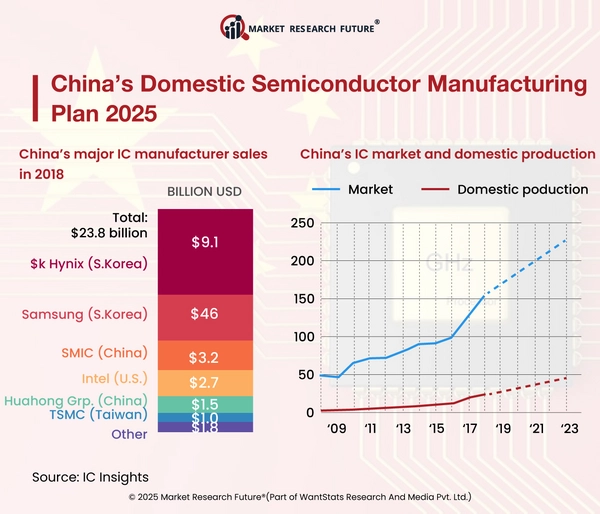
The conversation around “reversing fortunes” in the sector often touches on the role of government-backed funds and regional innovation hubs. Cities like Hefei have become synonymous with this industrial push, providing the infrastructure and policy support necessary to attract talent and capital. However, the success of these initiatives is ultimately tested by the company’s ability to maintain a competitive edge in a global market that demands both quality and cost-effectiveness.
What Lies Ahead for the Semiconductor Sector
As the industry looks toward the remainder of the year and into 2027, the focus will likely remain on the balance between capacity expansion and market saturation. For companies currently in the pre-IPO or early public stages, the challenge is to demonstrate that they can navigate the “memory cycle”—the notorious boom-and-bust periods that define the sector—without compromising their long-term R&D goals. Transparency in financial reporting and adherence to international standards will be key for these firms as they seek to attract a broader base of institutional investors.

Beyond the financial metrics, the technological advancements in high-bandwidth memory and low-power DRAM will dictate which players emerge as leaders. The integration of artificial intelligence into memory architecture is another frontier where companies are vying for dominance. For the reader, staying informed requires monitoring official filings and industry disclosures from regulatory bodies, which provide the most reliable insight into a company’s operational health and future strategic direction.
Key Considerations for Investors and Industry Observers
- Market Cycles: Memory chip prices are notoriously volatile; understanding the current position in the “memory cycle” is essential for evaluating firm performance.
- Technological Maturity: The transition to advanced nodes (such as 10nm or smaller) is a primary indicator of a firm’s competitiveness against established international incumbents.
- Regulatory Environment: Changes in export controls and trade policies continue to influence the operational landscape for semiconductor firms globally.
- Capital Expenditure: High R&D spending is a prerequisite, but investors are increasingly prioritizing companies that can demonstrate a clear path to sustainable margins.
The path forward for China’s memory sector is characterized by intense competition and a high barrier to entry. As these firms continue to integrate into the global supply chain, their ability to deliver consistent, high-quality products will be the ultimate arbiter of their success. The market will be watching closely for official updates regarding corporate restructuring and potential listing announcements, which are expected to provide further clarity on the sector’s long-term viability. We encourage our readers to follow official corporate investor relations pages for the most accurate and timely information on these developments.
What are your thoughts on the evolution of the global memory market? Join the conversation in the comments section below and share your perspective on the future of semiconductor manufacturing.