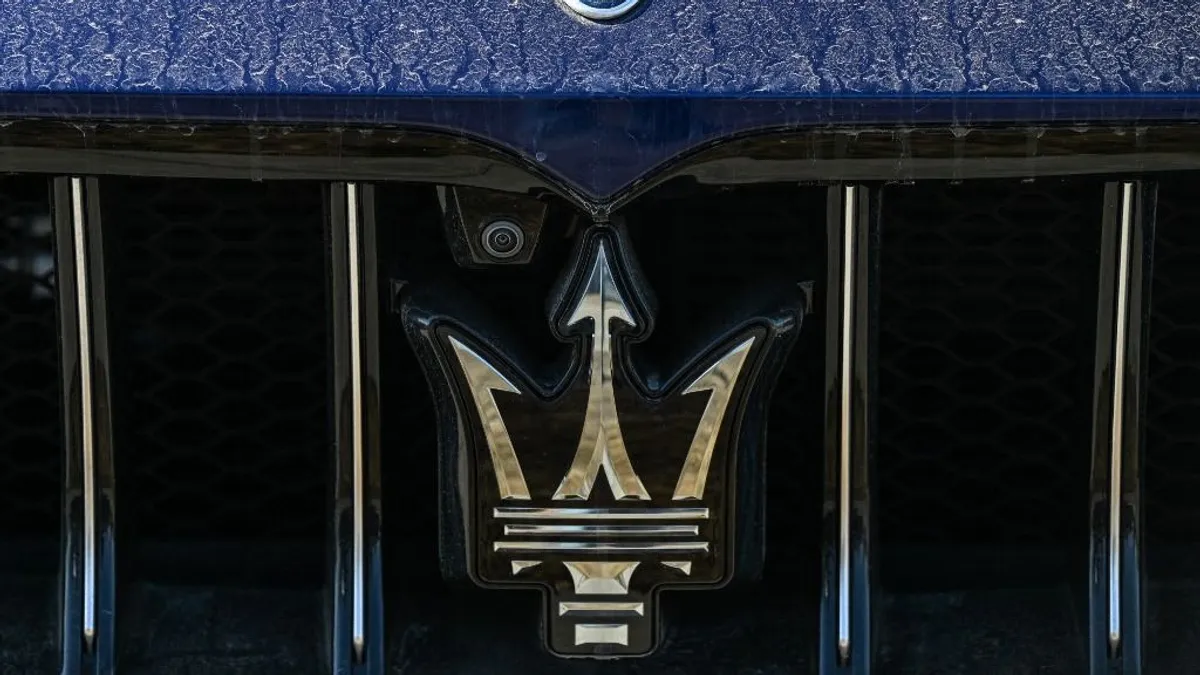
Shockwaves in the Automotive Industry: How China’s BYD Is Poised to Acquire a Legacy European Brand
The global automotive landscape is undergoing a seismic shift as China’s electric vehicle (EV) giant BYD explores the acquisition of a major European brand, potentially reshaping the industry’s competitive dynamics. While official confirmation remains elusive, multiple credible reports suggest that BYD is in advanced negotiations to acquire a significant stake—or even full ownership—of a well-established European automaker, with Volkswagen Group facilities emerging as a focal point of speculation. This development comes as Chinese automakers rapidly expand their footprint in Europe, leveraging cost advantages and technological leadership in EVs to challenge traditional manufacturers.
Industry analysts warn that such a move would mark a turning point in the automotive sector, accelerating the decline of legacy brands unable to compete with China’s aggressive pricing and rapid innovation in battery technology. The potential acquisition would also intensify geopolitical tensions, raising questions about European industrial sovereignty and the continent’s ability to maintain its manufacturing base in the face of foreign competition.
For now, the most concrete development involves BYD’s recent announcement of a €1 billion manufacturing plant in Szeged, Hungary—a facility that will produce up to 150,000 EVs annually by 2028. This investment underscores China’s strategic push into Europe, where local automakers are struggling to transition from internal combustion engines to electric mobility. Meanwhile, whispers of a potential Volkswagen Group facility acquisition have sent shockwaves through the industry, with German officials reportedly discussing the possibility of state-backed support to prevent the sale of critical manufacturing assets.
Why This Acquisition Could Reshape the Automotive Industry
BYD’s potential move into Europe represents more than just a corporate acquisition—it signals a fundamental realignment of global automotive power. Here’s what makes this development particularly significant:

- Technological Leadership: BYD is the world’s largest EV manufacturer by volume, producing over 1.8 million electric vehicles annually. Its Blade Battery technology, praised for safety and longevity, gives it a competitive edge over many European rivals still refining their EV platforms.
- Cost Advantage: Chinese automakers benefit from lower production costs, government subsidies, and a supply chain optimized for high-volume EV manufacturing. European brands, burdened by legacy costs and labor agreements, struggle to match these economics.
- Brand Synergy: An acquisition would allow BYD to leverage an established European brand’s dealer network, service infrastructure, and consumer trust—critical assets in the transition to electric mobility.
- Geopolitical Implications: The move would intensify debates about industrial policy, with European governments potentially intervening to protect strategic manufacturing capabilities.
The Volkswagen Connection: A Potential Domino Effect
While no official announcement has been made, multiple reports suggest that Volkswagen Group facilities—particularly in Germany and Eastern Europe—are under consideration. The potential acquisition would be particularly disruptive given Volkswagen’s status as Europe’s largest automaker and its extensive supply chain network. Industry insiders note that such a deal could trigger a wave of consolidation in the sector, with other European brands forced to seek partnerships or face similar fate.
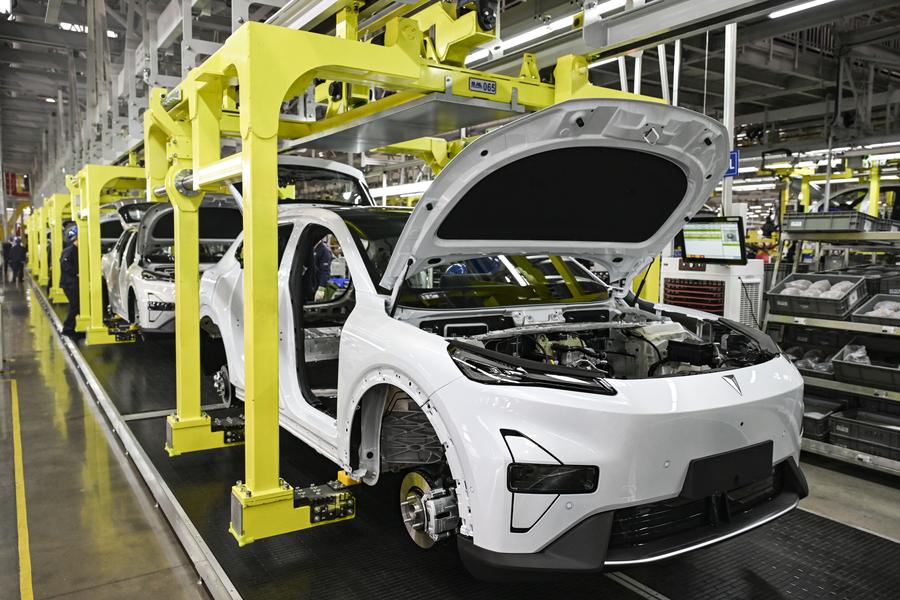
German officials have reportedly held emergency meetings to discuss potential countermeasures, including state guarantees for critical manufacturing sites. The European Commission is also expected to scrutinize any transaction for compliance with state aid rules and competition policy. “This would be a watershed moment for European automotive manufacturing,” said a senior EU official, requesting anonymity. “We’re facing a scenario where Chinese capital could effectively take control of a major pillar of our industrial base.”
How European Automakers Are Responding
The potential acquisition has sparked a scramble among European manufacturers to strengthen their EV capabilities. Here’s how key players are reacting:
- Volkswagen Group: Accelerating its electric transition with a €73 billion investment in EVs through 2026, though analysts question whether this is sufficient to counter Chinese competition. The group’s recent struggles with ID. Series EVs have fueled speculation about potential asset sales.
- Stellantis: Pursuing partnerships with Chinese battery suppliers while expanding its electric lineup, though its financial struggles make it a potential acquisition target itself.
- Renault: Deepening ties with Nissan and Mitsubishi while exploring state-backed restructuring options.
- German Government: Considering emergency measures including direct equity injections or export guarantees for critical automotive sectors.
Meanwhile, Chinese automakers are not limiting their ambitions to Europe. BYD has already established manufacturing in Brazil and is exploring opportunities in Southeast Asia, while Geely (owner of Volvo) and SAIC continue to expand their global reach. The automotive industry is increasingly viewing China not just as a competitor, but as the new standard-bearer for global manufacturing efficiency.
What This Means for Consumers and the Market
The potential acquisition could have profound implications for consumers and the broader automotive market:
- Pricing Pressure: Chinese automakers typically offer EVs at 20-30% lower prices than European competitors, a trend that would likely accelerate if BYD gains access to established European brands’ production facilities.
- Product Innovation: Consumers could benefit from accelerated technology transfer, with European brands potentially adopting Chinese battery and software solutions to improve their competitive position.
- Job Market Impact: Manufacturing consolidation could lead to workforce reductions in Europe, particularly in traditional combustion engine production centers.
- Supply Chain Shifts: European suppliers would face increased pressure to adapt to Chinese manufacturing standards and supply chain integration.
For policymakers, the development raises critical questions about industrial strategy. Should Europe prioritize protecting existing jobs over long-term competitiveness? How can governments balance the need for foreign investment with concerns about national security and strategic autonomy?
The Road Ahead: What’s Next?
While no official announcement has been made, industry watchers expect clarity within the next 30 days as negotiations progress. Key developments to watch include:

- Official statements from BYD and potential European partners regarding acquisition discussions
- European Commission reviews of any proposed transaction for compliance with merger regulations
- Government responses in Germany and other EU member states, particularly regarding state aid measures
- Market reactions to potential restructuring announcements from European automakers
The automotive industry stands at a crossroads. What was once an era of European dominance is rapidly giving way to a multipolar landscape where Chinese innovation, cost efficiency, and aggressive expansion strategies are redefining global competition. For consumers, this could mean more affordable electric vehicles and faster technological advancements. For policymakers, it presents both opportunities and challenges in maintaining Europe’s industrial competitiveness in the 21st century.
Key Takeaways
- BYD’s potential acquisition of a European automaker would mark a historic shift in global automotive power dynamics, accelerating the decline of legacy brands unable to compete with Chinese EV technology and pricing.
- Volkswagen Group facilities are reportedly under consideration, with German officials exploring emergency measures to prevent critical manufacturing assets from falling under Chinese control.
- European automakers are scrambling to respond, with increased investment in EVs and potential restructuring to remain competitive in the face of Chinese expansion.
- The development raises significant geopolitical questions about industrial policy, state aid, and the future of European manufacturing sovereignty.
- Consumers may benefit from increased competition and innovation, though job market impacts in traditional automotive centers remain a concern.
What do you think about this potential shift in the automotive industry? Will Chinese automakers ultimately dominate global EV manufacturing, or can European brands adapt in time? Share your thoughts in the comments below, and don’t forget to follow World Today Journal for continued coverage of this developing story.
Related reading