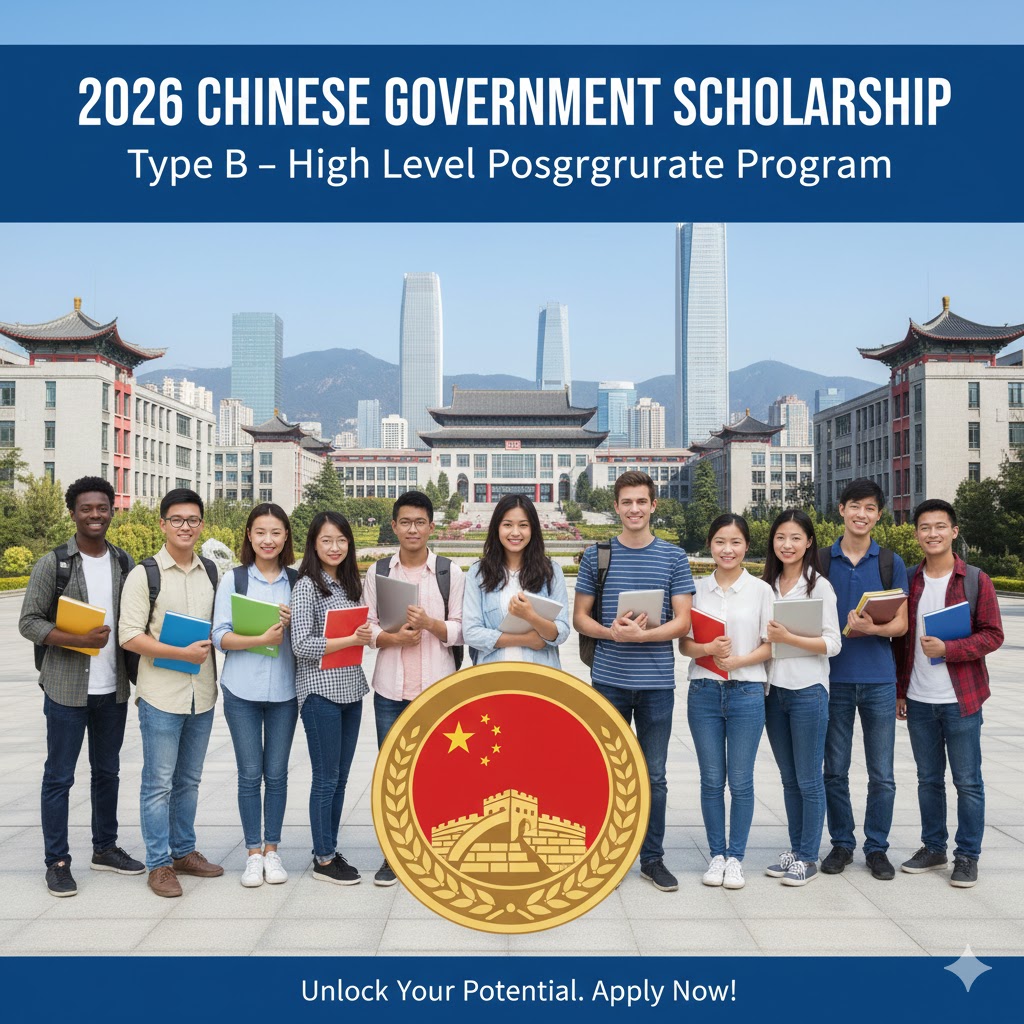
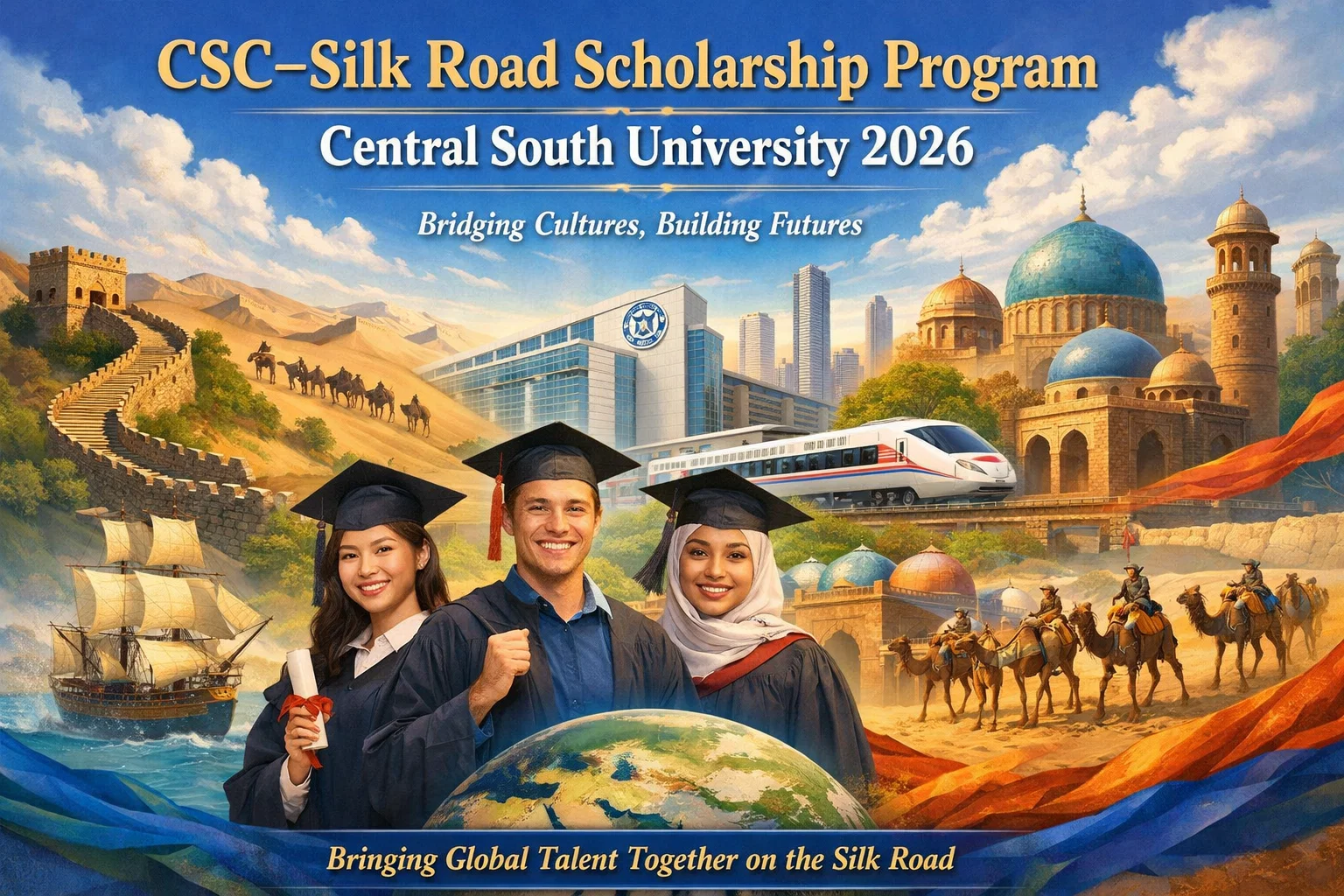
China’s decision to offer 3,500 RMB monthly stipends to Thai students studying at Peking University and Wuhan University under the Silk Road Scholarship program has triggered a national conversation about educational equity, as domestic students contend with rising tuition fees. The scholarship, administered by China’s Ministry of Education through the China Scholarship Council, covers living expenses for Thai undergraduates but excludes Chinese citizens, sparking accusations of favoritism in a system where local tuition costs have surged in recent years.
According to official documents verified by the Ministry of Education, the Silk Road Scholarship—part of China’s broader Belt and Road Initiative—provides monthly allowances of 3,500 RMB (approximately $490 USD) for Thai students enrolled in bachelor’s, master’s, and doctoral programs at designated Chinese universities. The stipend covers accommodation, food, and daily expenses, with additional one-time settlement allowances of 1,500 RMB for new arrivals.
Yet while Thai students benefit from this support, Chinese families are grappling with tuition hikes at the same institutions. Data from the Chinese Ministry of Education’s 2023 tuition survey shows that annual tuition at Peking University’s School of Economics has risen by 12% over the past two years, reaching 58,000 RMB ($8,100 USD) for domestic undergraduates. Wuhan University’s business programs have seen similar increases, with tuition now averaging 45,000 RMB ($6,300 USD) annually.
The disparity has fueled online debates, with parents and students questioning why international students receive government subsidies while domestic families absorb higher costs. On platforms like Weibo, hashtags such as #国际生补贴3500泰国学生# and #国内学生学费涨价# have amassed millions of views, with users sharing personal stories of financial strain.
Why the Scholarship Excludes Chinese Students—and What It Reveals About Education Policy
China’s Silk Road Scholarship program, launched in 2013 as part of President Xi Jinping’s Belt and Road Initiative, aims to strengthen cultural and academic ties with countries along the historic Silk Road. As of 2024, the program has awarded over 50,000 scholarships to students from 65 countries, with Thailand among the top recipients in Southeast Asia.
However, the exclusion of Chinese students from these stipends reflects broader policy priorities. A 2022 report by the China Scholarship Council explains that the program targets “key partner nations” to foster diplomatic and economic relationships. “The scholarships are designed to cultivate future leaders in BRI partner countries,” the report states, adding that domestic students are supported through separate provincial and university-based financial aid programs.
Yet critics argue this approach creates an uneven playing field. “While the government invests heavily in international students, domestic families are left to shoulder rising costs without similar subsidies,” said Dr. Li Wei, a higher education policy analyst at Tsinghua University. “This raises questions about whether the system prioritizes geopolitical goals over domestic equity.”
Domestic tuition hikes, meanwhile, are driven by a combination of factors: increased operational costs for universities, government funding cuts to public institutions, and demand for elite programs. A 2023 study by the Journal of Chinese Higher Education found that 78% of top-tier universities in China have raised tuition by an average of 8% annually since 2021, citing inflation and infrastructure upgrades as key reasons.
How the Tuition Gap Affects Chinese Families—and What’s Being Done
The financial burden on Chinese families is acute. According to the National Bureau of Statistics, household education spending in China reached 2.8 trillion RMB ($390 billion USD) in 2023, up 15% from 2021. For families in lower-income brackets, tuition hikes can represent a significant portion of disposable income.
In response, some provinces have introduced targeted relief measures. For example, Shanghai and Beijing now offer subsidies of up to 10,000 RMB ($1,400 USD) annually for low-income students, while universities like Zhejiang University have frozen tuition for certain programs. However, these measures are often ad-hoc and vary by region, leaving many families without consistent support.
Meanwhile, the Silk Road Scholarship’s focus on international students has led to calls for reform. On Weibo, one popular post by education commentator @EducationWatch highlighted the contradiction: “While Thai students get 3,500 RMB a month, a Chinese student in Beijing pays 8,000 RMB just for dormitory fees.” The post received over 500,000 likes within 24 hours.
What Happens Next: Policy Reforms and Public Pressure
The debate has drawn attention from policymakers. In a recent interview with Xinhua News Agency, a spokesperson for the Ministry of Education acknowledged the “public concern” but emphasized that domestic financial aid remains a “priority.” The spokesperson did not confirm whether the Silk Road Scholarship would be expanded to include Chinese students but noted that “further adjustments may be considered based on feedback.”
For now, families and students are left navigating a system where international subsidies coexist with domestic cost pressures. The Chinese Ministry of Education’s 2024 policy review is expected to address these disparities, with a final report due in September. Until then, the conversation continues—both online and in classrooms across China.
Key Takeaways
- Scholarship Details: Thai students receive 3,500 RMB/month under China’s Silk Road Scholarship, with additional one-time allowances.
- Domestic Tuition Trends: Peking University’s annual tuition has risen to 58,000 RMB ($8,100 USD), up 12% in two years.
- Policy Rationale: The scholarship targets Belt and Road Initiative partner nations, not domestic students, who rely on provincial aid.
- Public Reaction: Online debates on Weibo highlight perceived inequities, with calls for expanded domestic support.
- Next Steps: The Ministry of Education’s 2024 policy review may address the gap, with updates expected in September.
This story is developing. For the latest updates on China’s education policy and scholarship programs, visit the Ministry of Education’s official website or follow Xinhua News Agency for official announcements.
Have you or your family been affected by tuition hikes or scholarship policies? Share your experiences in the comments below.